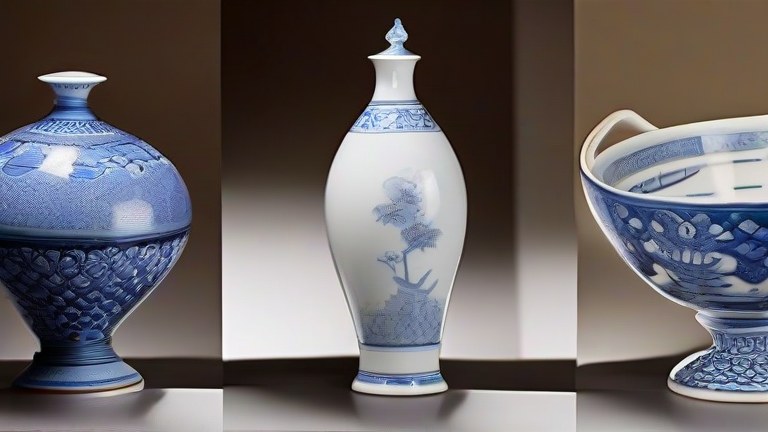
Porcelain Buying Guide: Expert Tips for Choosing Quality Pieces
TL;DR: To identify high-quality porcelain, test for translucency by holding the piece up to light and listen for a high-pitched ring when tapped. Always inspect for flaws like chips, crazing, or uneven glazing under bright, natural lighting before purchasing.
Step 1: Understand the Types of Porcelain
Before shopping, distinguish between hard-paste and soft-paste porcelain. Hard-paste porcelain, often associated with brands like Meissen or Limoges, is fired at extremely high temperatures, making it denser, harder, and more durable. Soft-paste porcelain is generally less expensive and slightly more porous. For heirloom-quality dinnerware, hard-paste is the superior choice due to its longevity and resistance to thermal shock.
If you want to dig deeper, check out our guide on Ultimate Guide: How to Buy the Best Porcelain for Your Home.
Step 2: Assess Translucency and Density
The most reliable method for evaluating quality is the light test. Hold a small piece, such as a saucer or the rim of a plate, up against a bright light source. High-quality porcelain should allow light to pass through, creating a soft, even glow. If the piece appears opaque or blocks the light entirely, it is likely made from lower-quality materials or is merely glazed ceramic. Additionally, the piece should feel substantial and cool to the touch, indicating a dense, vitrified body.
Step 3: Inspect for Surface Flaws
Examine the glaze carefully under bright, angled lighting. Look for pinholes, which are tiny bubbles trapped in the glaze, and crazing, a network of fine cracks that can harbor bacteria. Check the rim and base for chips or nicks. Run your finger over the surface; it should feel smooth and glass-like, not rough or gritty. Uneven glazing can indicate poor manufacturing control, which may lead to uneven wear over time.
Step 4: Check for Structural Integrity
Tap the piece gently with a fingernail or the back of a spoon. Quality porcelain produces a clear, high-pitched, resonant ring that lingers slightly. A dull thud suggests hidden cracks or a porous body that is prone to breaking. Ensure the feet are level by placing the piece on a flat surface; wobbly items will wear unevenly and look unprofessional on a dining table.
Step 5: Verify Brand Provenance and Care Instructions
Research the manufacturer’s reputation. Established brands often provide better quality control and longer warranties. Read the care instructions carefully. While many high-end porcelains are dishwasher and microwave safe, some delicate hand-painted pieces require hand washing to preserve the artwork. Ignoring these guidelines can ruin even the finest porcelain quickly.
FAQ
Q: How can I tell if porcelain is lead-free?
A: Look for certifications from reputable agencies and purchase from manufacturers who explicitly state their products are lead-free and cadmium-free, especially for colored glazes.
Q: Is it worth paying more for fine china?
A: Yes, because high-quality porcelain is more durable, resistant to chipping, and retains its beauty for decades, offering better long-term value than cheaper alternatives.
Q: Can I repair cracked porcelain?
A: Minor cracks can sometimes be stabilized with specialized epoxy, but for safety and hygiene, it is best to replace cracked dinnerware to prevent breakage during use.
Leave a Reply