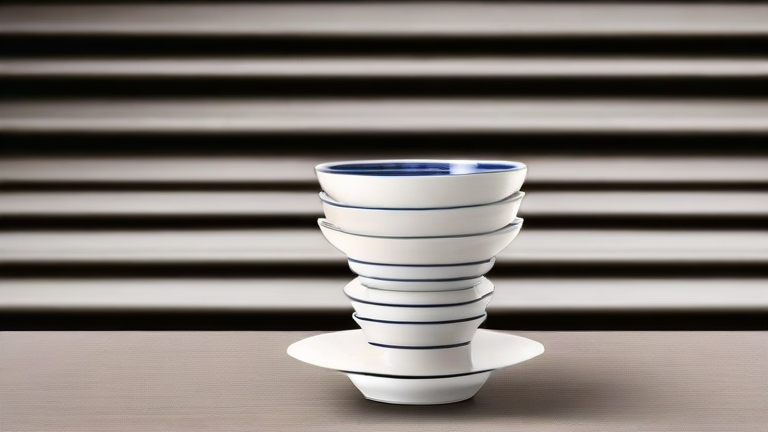
TL;DR: Select high-quality porcelain by prioritizing a uniform white body, a smooth glossy glaze, and a resonant sound when tapped. Always verify the manufacturer’s reputation for lead-free materials and consistent firing techniques to ensure durability and safety.
The Importance of Material Integrity
When shopping for porcelain, understanding the material composition is paramount. True porcelain differs significantly from earthenware or stoneware due to its high firing temperature and specific clay content. A quality buying guide must emphasize that genuine porcelain is translucent. Hold a piece up to a strong light source; if you can see light passing through the rim or thinner sections, it is likely authentic fine porcelain. This translucency indicates a dense, vitrified structure that is less porous and more durable over time. Conversely, if the piece appears opaque or has a chalky texture, it is likely a lower-grade ceramic that may absorb liquids and stain easily. Prioritize brands that explicitly state their firing temperatures, as higher temperatures result in a harder, more resistant surface that withstands daily use without chipping or cracking as readily.
If you want to dig deeper, check out our guide on Why Solid Wood Furniture Is Dominating Home Decor Trends.
Surface Finish and Glaze Quality
The glaze is the first thing you see and touch, making its quality a critical factor in your decision. Run your fingers gently over the surface. High-quality porcelain should feel like glass—smooth, cool, and completely seamless. There should be no bumps, pits, or rough spots where the glaze has failed to cover the clay body. Additionally, inspect the edges and foot of the piece. A well-made item will have a clean, sharp edge where the glaze ends. Look for a consistent color throughout the piece. Uneven glazing often results in thermal shock, causing the item to crack when exposed to hot liquids. Furthermore, check for any crazing, which are small, spiderweb-like cracks in the glaze. While some collectors appreciate vintage crazing, for new household items, it is a defect that traps moisture and bacteria, making the piece difficult to keep sanitary. A flawless, even glaze ensures both aesthetic beauty and functional hygiene.
Comparing Weight and Balance
Weight is another subtle indicator of quality. Fine porcelain is often lighter than stoneware because of its density and the thinness of the walls achieved during the firing process. However, it should still feel substantial and balanced. Pick up the piece; it should not feel flimsy or wobbly. The center of gravity should be low and stable. Compare this to heavier, coarser ceramics which may feel sturdy but lack the delicate elegance of true porcelain. When comparing different brands, pay attention to the thickness of the base. A thick, uneven base can cause the plate or bowl to wobble on flat surfaces, which is dangerous when serving hot food. Consistency in weight across a set is also crucial; if you are buying a matching set, ensure each piece has a similar heft. Inconsistent weight suggests uneven firing or poor quality control, leading to a disjointed dining experience.
Sound Test and Durability
One of the most reliable ways to test porcelain quality is the sound test. Gently tap the body of the piece with a ceramic spoon or your fingernail. High-quality porcelain produces a clear, high-pitched ring that lingers slightly. This resonance indicates that the material is dense and free of internal cracks. If the sound is dull, flat, or short-lived, the piece may have internal flaws or is made of a lower-quality clay body that will not last. This simple auditory check can save you from purchasing items that are likely to break under minimal stress. Durability is not just about weight; it is about the structural integrity of the material. Porcelain that rings well is less likely to suffer from micro-fractures that expand over time, ensuring your investment remains intact for years.
Lead and Cadmium Safety Standards
Finally, safety must be a non-negotiable aspect of your buying guide. Many older or cheaper porcelain pieces, especially those with colorful painted designs, may contain lead or cadmium in the glaze. These heavy metals can leach into food, particularly when the dish is exposed to acidic foods or
Leave a Reply