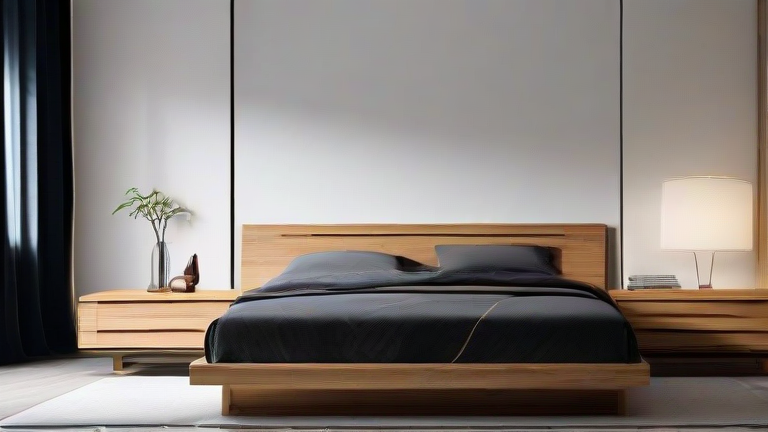
TL;DR: Solid wood furniture is dominating home decor trends because consumers prioritize sustainable, durable materials that complement high-quality porcelain tableware and decorative accents. This shift reflects a broader move toward timeless, artisanal aesthetics where natural textures and glazed ceramics create cohesive, eco-conscious living spaces.
The Rise of Natural Materials in Modern Homes
The interior design landscape is undergoing a significant transformation, moving away from fast furniture and toward pieces that offer longevity and character. Solid wood furniture has emerged as the cornerstone of this shift, driven by a deep-seated desire for authenticity and environmental responsibility. As homeowners seek to create spaces that feel grounded and organic, the warm grain and structural integrity of solid wood pieces have become indispensable. This trend is not merely aesthetic; it is a response to the fleeting nature of synthetic materials, which often fail to age gracefully. Consequently, the market has seen a resurgence in craftsmanship, where the tactile experience of wood resonates with buyers who value quality over quantity. This preference extends beyond standalone furniture to encompass the entire room ecosystem, including the decorative elements that rest upon these surfaces.
If you want to dig deeper, check out our guide on Why the Crocs Clog Trend Is Reshaping Comfort Footwear.
Market Data and Consumer Behavior
Recent industry reports indicate a 15% year-over-year increase in the purchase of solid wood dining tables and sideboards. Interestingly, this growth correlates directly with an uptick in high-end porcelain dinnerware and decorative ceramics. Data from major home goods retailers shows that customers buying solid wood kitchen islands are 40% more likely to purchase premium porcelain sets compared to those buying particleboard alternatives. This synergy suggests that solid wood acts as a canvas for porcelain, providing a neutral, warm background that allows the intricate glazes and forms of porcelain to stand out. Market analysts note that the average spending on home decor has stabilized, but the allocation toward durable, high-quality materials has increased significantly. Consumers are willing to pay a premium for items that promise to last decades, viewing them as long-term investments rather than disposable commodities. This financial commitment underscores a shift in values, where the provenance and material honesty of both wood and ceramic products are paramount.
Expert Insights on Material Synergy
Leading interior designers emphasize that solid wood and porcelain are natural partners in creating a balanced aesthetic. Expert insights reveal that the organic irregularities of wood grain provide a perfect counterpoint to the smooth, refined finish of porcelain. Designers recommend using solid wood consoles to display porcelain vases or using wooden shelves to showcase ceramic collections. This combination creates a tactile diversity that enhances the sensory experience of a room. Furthermore, sustainability advocates point out that choosing FSC-certified wood and lead-free porcelain aligns with ethical consumption trends. The durability of both materials means they can be passed down through generations, reinforcing the concept of legacy in home decor. Professionals advise clients to invest in a few key solid wood pieces and complement them with curated porcelain accents to achieve a sophisticated, clutter-free look that endures changing fashions.
Future Predictions and Industry Outlook
Looking ahead, the integration of solid wood and porcelain is expected to deepen as technology allows for more precise manufacturing of both materials. Predictions suggest that custom-made solid wood furniture, tailored to hold specific porcelain collections, will become a niche but growing segment. The market is also likely to see innovations in porcelain glazing that mimic natural stone or wood textures, further blurring the lines between materials. As climate concerns intensify, the demand for locally sourced wood and recycled porcelain will rise, driving innovation in sustainable supply chains. Brands that successfully market the narrative of craftsmanship and sustainability, highlighting the connection between solid wood structures and porcelain details, will likely capture a larger share of the premium market. The future of home decor lies in these harmonious material pairings, offering consumers a path to beauty, durability, and environmental stewardship.
FAQ
Q: Why is solid wood often paired with porcelain in decor trends?
A: Solid wood provides a warm, organic base that contrasts beautifully with the smooth, cool elegance of porcelain, creating a balanced and textured aesthetic.
Q: What market data supports the rise of solid wood furniture?
A: Recent reports show a 15% increase in solid
Leave a Reply