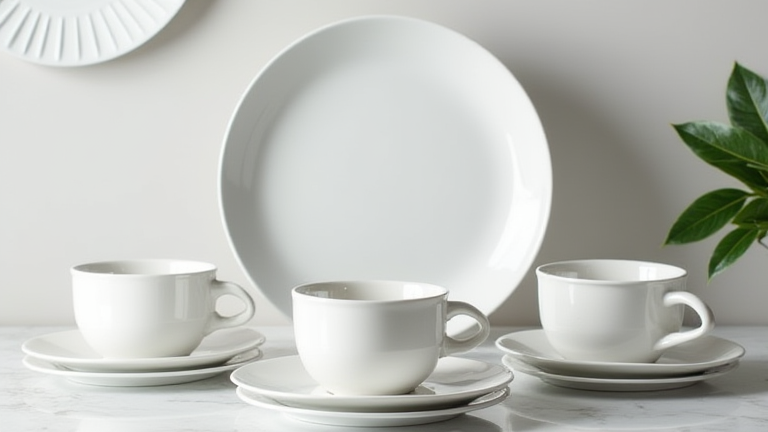
TL;DR: Choose fine porcelain for its durability and elegant sheen, ensuring it is kiln-fired at high temperatures for superior strength. Always verify dishwasher and microwave safety to guarantee long-term practicality for your daily dining needs.
Understanding the Porcelain Difference
Selecting the right dinnerware is a significant investment in both your home aesthetic and culinary experience. Porcelain stands out due to its unique composition of kaolin clay, feldspar, and quartz, fired at extremely high temperatures. This process results in a material that is denser, whiter, and more translucent than standard ceramic or stoneware. Unlike earthenware, which requires a glaze to prevent absorption, true porcelain is naturally non-porous. This characteristic makes it inherently resistant to staining and odors, ensuring that your plates remain pristine over many years of use. When shopping, look for the term “hard-paste” or “fine porcelain” to distinguish quality pieces from cheaper, softer alternatives that may chip more easily.
If you want to dig deeper, check out our guide on The Ultimate Porcelain Buying Guide: Tips for a Chic Lifesty.
Key Features to Evaluate
When assessing potential purchases, pay close attention to the weight and thickness of the pieces. High-quality porcelain feels substantial yet delicate, with smooth, rounded edges that are comfortable to the touch. The glaze should be flawless, free from pinholes or bubbles. Additionally, check the back of the plate for any warping. A warped plate can cause liquids to pool unevenly, which is a critical issue for soup or stew bowls. Translucency is another hallmark of premium porcelain; holding a piece up to light should reveal a slight glow, indicating a dense, pure structure.
Comparing Porcelain to Alternatives
While stoneware offers a rustic, earthy charm and is highly durable, it lacks the refined elegance and thinness of porcelain. Stoneware is also more porous without a heavy glaze, which can lead to staining over time. Bone china, a specific type of porcelain containing bone ash, is lighter and more translucent but often comes at a higher price point and can be more fragile. Standard ceramic is the most affordable option but is generally heavier and more prone to chipping. For those seeking the perfect balance of beauty, durability, and sophistication, fine porcelain remains the gold standard. It offers a timeless aesthetic that complements both modern minimalist settings and traditional formal dining arrangements.
Practical Maintenance and Care
One of the greatest advantages of porcelain is its ease of maintenance. Most fine porcelain is safe for both the dishwasher and the microwave, making it ideal for busy households. However, to preserve the sheen and prevent micro-scratches, it is recommended to avoid abrasive sponges. When loading the dishwasher, avoid overcrowding to prevent pieces from knocking into one another. For hand washing, use a soft sponge and mild detergent. Stacking porcelain requires care; using felt or paper separators between plates can prevent friction-related damage. By following these simple care instructions, your porcelain collection can last for generations, becoming a cherished part of your household heritage.
Final Recommendations and Call to Action
Investing in quality porcelain is not just about purchasing plates; it is about enhancing your daily dining rituals. Start with a core set of essential pieces, such as dinner plates, salad plates, and bowls, before expanding into specialty items. Look for reputable brands that offer warranties against chipping or cracking, which can provide peace of mind. Whether you are furnishing a new home or replacing worn-out dinnerware, prioritizing material quality will yield the best long-term results. Explore our curated selection of fine porcelain collections today and discover the perfect set to elevate your table. Click the link below to browse our top-rated options and start building your dream dinnerware collection now.
FAQ
Q: Is porcelain safe for microwave use?
A: Yes, high-quality fine porcelain is generally microwave-safe, but you should check the manufacturer’s label to ensure no metallic accents are present.
Q: How can I tell if porcelain is real?
A: Real porcelain is translucent when held up to light and rings with a clear,
Leave a Reply