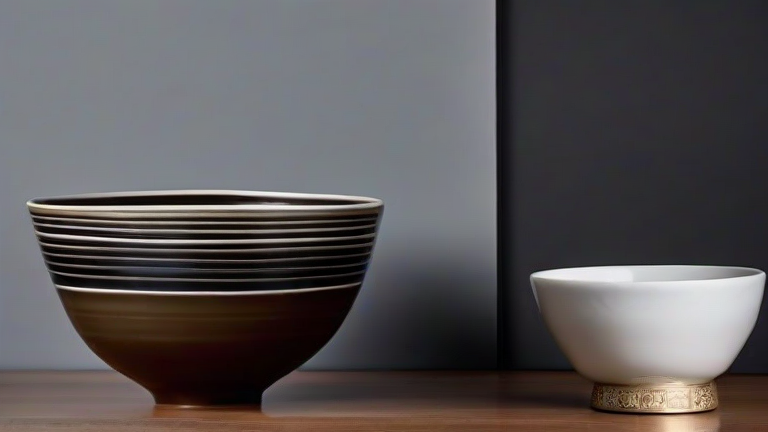
TL;DR: The best porcelain is high-fired, translucent, and chip-resistant—look for a clear ring when tapped and a pure white or slightly blue-tinted body. Always buy from reputable brands or artisans, and verify the “porcelain” label by checking for non-porous surfaces and a glass-like glaze.
Porcelain Buying Guide: 10 Tips to Choose the Best
1. Check the Firing Temperature. True porcelain is fired at 1,200–1,400°C. Ask the seller or check packaging for “high-fired” or “vitrified.” Low-fired imitations (like earthenware) are softer and more porous—avoid them for daily use.
2. Perform the “Ring Test.” Gently tap the rim with a metal spoon. A clear, bell-like tone that lingers for 2–3 seconds indicates high-density porcelain. A dull thud suggests lower quality or added clay fillers.
3. Hold It to Light. High-quality porcelain is slightly translucent. Place your hand behind the piece; if you see a faint silhouette, you have genuine porcelain. Opaque bodies are often stoneware or bone china substitutes.
4. Inspect the Glaze for Crazing. Run your fingernail over the surface. Hairline cracks (crazing) trap bacteria and stain easily. The best porcelain has a smooth, uninterrupted glass glaze.
5. Examine the Foot (Bottom Rim). The unglazed foot should be finely textured, not rough or gritty. A perfectly smooth, polished foot indicates careful finishing—a hallmark of premium manufacturing.
6. Test for Chip Resistance. Look at the edges under bright light. Pre-existing tiny chips are common in seconds—reject them. For new pieces, ask about “fired hardness” (measured by Mohs scale; 7+ is ideal for porcelain).
7. Verify Stain Resistance. Pour coffee or red wine on a small area, wait 10 minutes, then wipe. Genuine porcelain should not absorb any liquid. If it stains, it’s not fully vitrified.
8. Check the Weight Balance. Pick up the piece—it should feel dense but not heavy. An overly light item may be thin-walled (fragile); an overly heavy one suggests thick, clumsy manufacturing. Aim for even weight distribution.
9. Look for Maker’s Marks. Reputable brands (e.g., Meissen, Royal Copenhagen, or artisan kilns) stamp a backstamp. Avoid unmarked or “porcelain-style” labels. If buying vintage, research the mark online before purchase.
10. Ask About Lead and Cadmium. For dinnerware, ensure the glaze is lead-free and cadmium-free. Look for “food-safe” certification (e.g., FDA or EU standards). If unsure, buy only from established retailers with third-party test reports.
FAQ
Q: How can I tell if porcelain is dishwasher-safe?
A: Check for a “dishwasher-safe” label or test by placing a small piece through one wash cycle. High-fired porcelain with a sealed glaze is safe; hand-painted or metallic-trimmed pieces should be washed by hand.
Q: What’s the difference between porcelain and bone china?
A: Bone china contains 25–45% bone ash, making it whiter and more translucent but less chip-resistant. Pure porcelain is harder and more durable. Choose bone china for elegance, porcelain for everyday longevity.
Q: Is expensive porcelain always better?
A: Not necessarily. Price reflects brand, artistry, and rarity, not always durability. A mid-priced, high-fired porcelain from a trusted factory can outperform a luxury decorative piece. Focus on firing temperature and glaze quality over price alone.
Leave a Reply