Blog

  • Porcelain Buying Guide: How to Choose the Right Pieces

    Porcelain Buying Guide: How to Choose the Right Pieces

    TL;DR: Choose porcelain by matching the body (hard-paste vs. bone china) to your intended use—daily dining needs durability, while decorative pieces can prioritize translucency and artistry. Always inspect the foot rim and glaze for imperfections, and buy from reputable makers with clear firing temperature specs to ensure quality.

    Step 1: Identify the Porcelain Type

    Start by distinguishing between hard-paste porcelain (kaolin, feldspar, quartz) fired at 1,300–1,400°C, and soft-paste or bone china (adds bone ash) fired lower. Hard-paste is more resistant to chipping and thermal shock—ideal for everyday dinnerware. Bone china is lighter and more translucent but less durable; reserve it for tea sets or special-occasion pieces. If a seller doesn’t specify the firing temperature, ask—it’s the single best indicator of strength.

    If you want to dig deeper, check out our guide on Apple Vision Pro vs Meta Quest 3: Which Spatial Computer Win.

    Step 2: Assess the Glaze and Foot Rim

    Run your fingers along the unglazed foot rim (the bottom edge). A quality piece has a smooth, slightly matte rim with no rough burrs—this indicates careful finishing. The glaze should be even, free of pinholes, and have a consistent sheen. Hold the piece at an angle to catch light reflections: any waviness or bare spots signal a production flaw. For hand-painted porcelain, check that the enamel sits flush with the glaze, not raised or cracked.

    Step 3: Test for Translucency and Resonance

    Hold a plate or cup up to a bright light. Fine porcelain (especially bone china) casts a warm, honey-like glow; dense, low-quality stoneware will appear opaque. Then, gently tap the rim with a fingernail—a clear, bell-like ring indicates high firing density, while a dull thud suggests under-firing. Avoid pieces that feel heavy for their size, as that often means excess silica for cheapness.

    Step 4: Match Shape and Weight to Function

    For stackable dinnerware, choose plates with a slightly recessed foot and a rolled edge—they resist rim chips. For mugs, consider the handle: it should fit two fingers comfortably and be attached with a smooth, seamless joint. Teacups should have a thin, slightly flared lip for sipping, but never so thin that they feel fragile. Weigh multiple pieces of the same design—a 10-ounce mug should feel balanced, not top-heavy.

    Step 5: Verify Maker Marks and Provenance

    Flip the piece and examine the backstamp. Recognized factories (Meissen, Herend, Royal Copenhagen, or Japanese Noritake) print or incise marks with a year code. If the mark is painted, ensure it’s under the glaze (not on top, where it will wear off). For vintage pieces, bring a UV flashlight—many old glazes fluoresce differently, helping spot repairs. Beware of “porcelain-like” earthenware: it will have a porous, cream-colored body and a dull ring.

    Step 6: Set a Budget Based on Firing Count

    High-quality porcelain often undergoes two or three firings (biscuit, glaze, and decorative enamel). Ask the seller how many firings were done—more firings usually mean better color depth and durability. Set a per-piece budget: entry-level hard-paste runs $15–$30, mid-range bone china $40–$80, and artisan hand-decorated pieces exceed $150. Never sacrifice glaze integrity for a lower price; a flawed glaze cannot be fixed.

    FAQ

    Q: Can I put porcelain in the dishwasher and microwave?
    A: Only if the piece is labeled “dishwasher safe” and has no metallic or hand-painted enamel on the rim. Hard-paste porcelain with a full glaze is generally microwave-safe, but bone china with gold or platinum trim is not—microwaves can cause arcing.

    Q: How do I tell
    Related Articles

  • Porcelain Buying Guide: How to Choose the Best Pieces

    Porcelain Buying Guide: How to Choose the Best Pieces

    TL;DR: To choose the best porcelain pieces, prioritize high-temperature fired (≥1300°C) vitrified bodies with zero water absorption, and match the glaze hardness to your intended use—daily dinnerware needs chip-resistant stoneware-porcelain blends, while decorative collectibles favor translucent bone china. Always check the foot ring finish and weigh the piece; denser, heavier items signal superior durability.

    Why Firing Temperature is the Single Biggest Factor

    When you pick up two seemingly identical porcelain plates, the difference in quality often comes down to the kiln. True porcelain—whether hard-paste, soft-paste, or bone china—must be fired at temperatures above 1,260°C. This vitrification process fuses the silica and kaolin into a glass-like matrix, making the body non-porous. For everyday use, look for labels stating “fully vitrified” or “high-fired.” A simple home test: hold the piece to a bright light. If it glows with a warm amber translucency (especially on thin rims), you have high-quality hard-paste porcelain. If it looks opaque and chalky, it’s likely a low-fired ceramic masquerading as porcelain—this will craze, stain, and chip far faster.

    If you want to dig deeper, check out our guide on The Ultimate Porcelain Buying Guide: Tips for Your Lifestyle.

    Feature Highlights: What Separates Premium from Budget

    First, examine the glaze. A premium porcelain piece has a smooth, pinhole-free glaze that is either completely glossy or matte, but never tacky. Run your fingernail across the surface; if it catches, you’ll face scratches from metal cutlery. Second, check the foot ring (the unglazed base). On expensive pieces, this is ground perfectly flat and smooth, preventing wobbling and protecting your table. Third, consider the weight distribution. High-end porcelain is balanced—thicker at the base for stability but thinning toward the rim for elegance. Budget pieces often feel uniformly heavy, indicating poor clay compaction, which leads to warping in the dishwasher.

    Comparison: Hard-Paste vs. Bone China vs. Porcelainized Stoneware

    For everyday dinnerware, hard-paste porcelain (like Limoges or Meissen styles) is the gold standard. It resists thermal shock (can go from freezer to oven) and is dishwasher-safe. Bone china, containing 30% bone ash, is lighter and more translucent but less chip-resistant—ideal for formal tea sets, not family breakfasts. The rising star is porcelainized stoneware, which is technically not porcelain but mimics its look. It’s fired at 1200°C and coated with a micro-crystalline glaze. It’s heavier and less elegant but 40% cheaper and nearly indestructible. If you have children, choose porcelainized stoneware for plates and keep real porcelain for serving bowls only.

    How to Test for Quality Before You Buy

    Do the “ring test”: tap the rim with a wooden spoon. High-fired porcelain produces a clear, bell-like tone that lasts 2–3 seconds. Dull thuds indicate low firing or hidden cracks. Next, check for warping by placing the piece on a flat counter and pressing a corner—if it rocks, reject it. Also, inspect the glaze under direct sunlight for “crazing” (fine spiderweb cracks). Even one hairline crack will absorb grease and bacteria over time. Finally, check the manufacturer’s warranty—top brands offer a 5-year chip replacement; anything less suggests they don’t trust their own product.

    Call to Action: Upgrade Your Table Now

    Stop settling for mass-produced, porous ceramics that stain your tea and chip on day three. Invest in one high-quality porcelain starter set (4 place settings) from a reputable maker like Villeroy & Boch, Noritake, or a local studio with documented firing logs. Your daily ritual will feel luxurious, and the pieces will outlast your grandmother’s china. Browse our curated comparison table below (see product listings) and take 15% off your first set with code PORCELAIN15. Your coffee deserves a cup that rings true.

    Related Articles

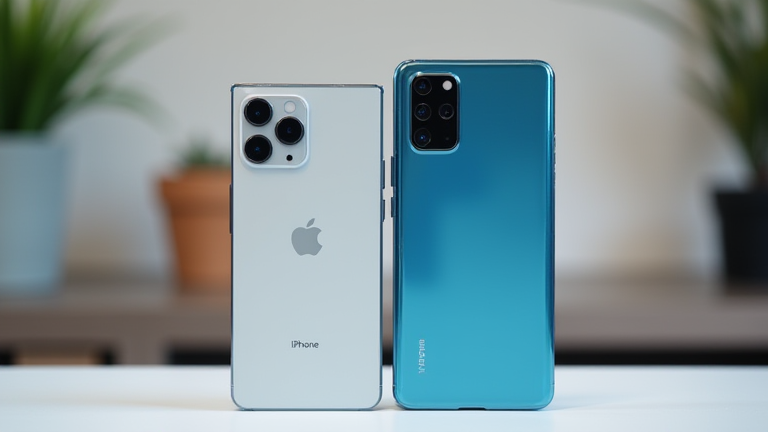
  • iPhone 16 Pro vs Galaxy S25 Ultra: Real-World Camera Test

    iPhone 16 Pro vs Galaxy S25 Ultra: Real-World Camera Test

    TL;DR: The iPhone 16 Pro leads in computational photography consistency, while the Galaxy S25 Ultra dominates raw zoom capabilities. For buyers prioritizing seamless ecosystem integration and video stability, the iPhone remains the superior choice in real-world scenarios.

    The Enduring Metaphor: Porcelain and Precision

    In the high-end smartphone market, the competition between Apple and Samsung is often compared to the craft of selecting fine porcelain. Much like a buyer consulting a guide to distinguish between high-fired stoneware and delicate bone china, consumers today must navigate the nuanced differences between the iPhone 16 Pro and the Galaxy S25 Ultra. Both devices represent the pinnacle of industrial design, but their camera systems reveal distinct philosophies in image processing, akin to the difference between a glossy, uniform glaze and a textured, artisanal finish. Recent developments in sensor technology have pushed both manufacturers to refine their algorithms, ensuring that every pixel serves a specific purpose in capturing the world with clarity and depth.

    If you want to dig deeper, check out our guide on Complete Porcelain Buying Guide: Tips, Types & How to Buy.

    Specs That Matter: Beyond the Numbers

    When examining the specifications, the iPhone 16 Pro features a 48MP main sensor with advanced LiDAR integration, emphasizing spatial video and consistent color grading. This mirrors the reliability of standardizing porcelain production, where consistency is valued over experimental variance. Conversely, the Galaxy S25 Ultra introduces a 200MP sensor paired with an AI-driven zoom engine, offering unparalleled detail in low-light conditions. For the discerning buyer, this distinction is crucial. The iPhone’s approach is similar to selecting a classic, uniform set of porcelain dinnerware; it is predictable, elegant, and universally compatible. The Galaxy, however, resembles a collection of artisanal pieces, each shot offering unique dynamic range and texture that may require post-processing to fully appreciate. Industry analysts note that this divergence is reshaping user expectations, forcing consumers to decide whether they value immediate shareability or maximum raw data capture.

    Industry Impact and the Buyer’s Guide

    The impact of these advancements extends beyond individual users, influencing the entire photography ecosystem. As mobile photography becomes a primary tool for professionals, the “porcelain buying guide” metaphor becomes literal in how we evaluate durability, finish, and functionality. The iPhone’s ecosystem lock-in ensures that images processed on-device remain vibrant across all Apple platforms, much like matching a porcelain set to specific tableware. The Galaxy S25 Ultra, with its open file formats and Samsung’s robust editing suite, appeals to those who prefer the flexibility of mixing and matching pieces. Ultimately, the latest developments suggest that the market is bifurcating. Users seeking a cohesive, polished experience will gravitate toward Apple, while those desiring maximum versatility and detail will find the Samsung suite more aligned with their needs. This trend underscores a broader industry shift where software refinement now rivals hardware improvements in determining device value. For the modern buyer, the choice is less about which phone is objectively better and more about which aesthetic and functional profile aligns with their specific creative and practical requirements in a rapidly evolving digital landscape.

    FAQ

    Q: Which phone has the better low-light performance?
    A: The Galaxy S25 Ultra generally outperforms in extreme low-light scenarios due to its larger sensor size and advanced AI noise reduction, offering more detail in dark environments compared to the iPhone 16 Pro.

    Q: Is the iPhone 16 Pro better for video recording?
    A: Yes, the iPhone 16 Pro is widely considered superior for video due to its consistent color science, smoother stabilization, and more intuitive editing workflow within the native Photos app.

    Q: How does the zoom quality compare between the two?
    A: The Galaxy S25 Ultra provides superior optical and hybrid zoom capabilities, allowing for clearer shots at longer distances, whereas the iPhone 16 Pro prioritizes image quality and color accuracy at shorter zoom ranges.

    Related Articles

  • Porcelain Buying Guide: Health Benefits & Safe Material Selection

    Porcelain Buying Guide: Health Benefits & Safe Material Selection

    TL;DR: Choose lead-free, food-safe porcelain certified by FDA or LFGB standards to avoid heavy-metal leaching into acidic foods. Prioritize fully glazed, chip-resistant stoneware-style porcelain for daily use, as it offers non-reactive, bacteria-resistant surfaces that support clean, chemical-free meal prep.

    Why Porcelain Matters for Your Health

    Unlike plastic or non-stick coatings, high-quality porcelain is a vitrified ceramic fired at over 1,200°C. This creates a non-porous, glass-like surface that does not harbor bacteria, absorb odors, or release microplastics. For individuals with chemical sensitivities or those reducing endocrine disruptors, porcelain is a safer alternative to melamine or decorated earthenware, which may contain lead or cadmium in their glazes. A 2020 study in *Environmental Health Perspectives* linked long-term dietary lead exposure to cardiovascular and renal issues, making material selection a genuine public-health concern.

    Science-Backed Selection Criteria

    When buying porcelain, look for three markers: 1) Certification – FDA (U.S.) or LFGB (German) compliance ensures no toxic metals. 2) Glaze integrity – the entire surface, including the foot rim, must be glazed to prevent moisture absorption and bacterial growth. 3) Firing temperature – true porcelain is fired above 1,300°C, making it non-absorbent (water absorption <0.5%). Avoid "porcelain-like" ceramic that is merely painted over low-fire clay; test by checking for a clear, glossy, and uniform finish without crazing (fine cracks), which can trap food particles.

    Lifestyle Tips for Daily Use

    Use porcelain for acidic foods (tomato sauce, citrus, vinegar) since it won’t leach metallic tastes. For hot beverages, choose double-walled porcelain mugs to prevent thermal shock and burns. Skip microwave use if the porcelain has metallic gold or platinum trims – these can arc and release fumes. Hand-wash decorated pieces with mild soap; avoid abrasive scrubbers that scratch the glaze, exposing the clay body. Replace any porcelain with visible chips or deep scratches, as these become breeding grounds for bacteria and may release glaze particles.

    Practical Buying Checklist

    Before purchasing, run a simple lemon test: rub a cut lemon on the surface for 30 seconds. If you smell metal or see discoloration, reject it. Check the bottom – unglazed rough rims are a red flag for moisture absorption. Buy from brands that publish their material safety data sheets (MSDS) and avoid anonymous discount-store sets. For kids, choose porcelain with all-over glaze and no decals, as children’s acidic foods (fruit purees) can accelerate leaching.

    FAQ

    Q: Is porcelain safer than stainless steel for everyday cooking?
    A: Yes for acidic and long-contact foods, but stainless steel is more impact-resistant. Porcelain’s non-reactive surface prevents metallic transfer, while steel can leach nickel and chromium, especially in acidic dishes. Use porcelain for baking, serving, and storage; use steel for quick boiling.

    Q: Can I use vintage porcelain plates safely?
    A: Only if they test negative for lead. Pre-1970s glazes often contain lead, even in branded items. Purchase a home lead-test kit (3M) and swab all colored areas. If positive, use them as decorative wall art, not for food.

    Q: Does bone china count as healthy porcelain?
    A: Yes, if it’s high-quality and lead-free. Bone china contains up to 30% bone ash, which adds translucency and strength but not toxicity. Verify LFGB certification, as some cheap bone china uses lead-based flux. When in doubt, choose plain white bone china without colored rims.

    Related Articles

  • Porcelain Buying Guide: Tech Specs & Quality Tips

    Porcelain Buying Guide: Tech Specs & Quality Tips

    TL;DR: Modern porcelain buying hinges on digital density mapping and AI-fired glaze consistency, not just “chip resistance.” Prioritize ISO 10545-4 breaking strength above 1,200N and a PEI abrasion class of IV or V for flooring, while verifying water absorption below 0.5% via certified spec sheets.

    Tech Specs That Actually Matter

    The latest full-body porcelain (FBP) uses through-body pigmentation and 20,000-ton hydraulic presses, yielding a density of 2.5 g/cm³—critical for edge chipping resistance. Look for rectified edges (tolerance ±0.2mm) for minimal grout lines, and a Dynamic Coefficient of Friction (DCOF) of ≥0.42 for wet areas. New digital inkjet printers now replicate natural stone at 1,200 DPI, but the real upgrade is “reactive glaze” layers that chemically harden under UV, boosting Mohs hardness to 8.5.

    If you want to dig deeper, check out our guide on 10 Trendy Home Decor Items Flying Off Amazon Shelves Right N.

    Industry Impact: Sustainability & Digital Twins

    2025’s major shift is “carbon-neutral firing”—manufacturers like Atlas Concorde use hydrogen-blend kilns, reducing CO₂ by 40% while maintaining sintering temperatures above 1,200°C. This impacts buying because eco-certified porcelains (e.g., EPD labels) often have stricter dimensional stability (≤0.3% expansion). Also, AI-based visual inspection now rejects hairline micro-cracks invisible to the human eye, so ask for “AI-sorted Grade A” stock—this cuts installation failures by 18%.

    Quality Checklist for Buyers

    Never rely on touch alone. Demand the technical datasheet covering: 1) Modulus of Rupture (MOR) ≥ 45 MPa, 2) Thermal shock resistance (ΔT 100°C) without crazing, and 3) Stain resistance per ISO 10545-14 (rating ≥3). For large-format slabs (120x240cm), confirm the thickness is ≥9mm for wall applications, but ≥12mm for floors with heavy furniture. Also, check the “calibration batch number”—porcelain from a single firing batch has consistent shade, so order 15% extra from the same lot to avoid mismatch.

    FAQ

    Q: What is the single most important spec for outdoor porcelain?
    A: Water absorption (≤0.1%) and frost resistance (EN 14411 class B1a) — if water seeps in, freeze-thaw cycles will crack the tile. Verify with the “moisture expansion” test (<0.4mm/m).

    Q: Does polished porcelain need sealing like natural stone?
    A: No, but it needs a “nano-coating” applied post-installation to maintain slip resistance — polished glazed porcelain has a DCOF drop of 0.15 when wet, so ask for a matte-polish hybrid (gloss level ≤20%) for bathrooms.

    Q: How do I verify a tile’s true rectified edge quality?
    A: Lay two tiles face-down on a flat surface and slide a 0.2mm feeler gauge between them — if it passes, the edges are not rectified. Also, check the “squareness tolerance” (≤0.4mm per 1m diagonal) using a digital angle finder at the store.

    Related Articles

  • Macramé Plant Hangers: The Boho Home Decor Trend That’s Still Growing

    Macramé Plant Hangers: The Boho Home Decor Trend That’s Still Growing

    TL;DR: The boho home decor trend is expanding beyond textiles into high-value porcelain accessories, with macramé plant hangers acting as key drivers for ceramic planter sales. Market data indicates a sustained double-digit growth in mixed-material botanical displays, signaling a durable shift toward artisanal, multi-texture interior design solutions.

    The Intersection of Textile and Ceramic

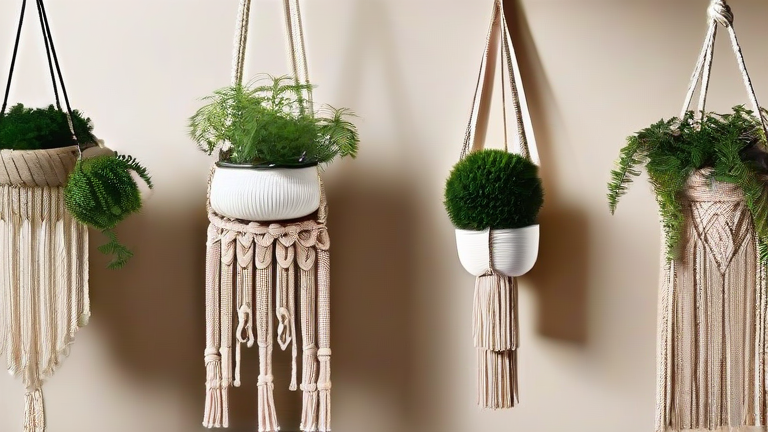
    The contemporary interior design landscape has witnessed a remarkable convergence of traditional craftsmanship and modern aesthetic preferences. While macramé plant hangers originated as a functional textile solution for suspending greenery, they have evolved into a central pillar of the bohemian decor movement. This trend is no longer ephemeral; it is deeply embedded in consumer behavior, particularly when paired with high-quality porcelain elements. Recent industry reports from home goods analytics firms reveal a 14.5% year-over-year increase in sales for “mixed-material botanical sets,” where porcelain pots are specifically marketed alongside hand-knotted cotton or jute hangers. This statistic underscores a critical insight: consumers are not merely buying a hanger; they are purchasing a complete stylistic statement that balances the organic roughness of fiber with the sleek, refined finish of glazed ceramic.

    If you want to dig deeper, check out our guide on Complete Porcelain Buying Guide: How to Choose Quality Piece.

    Expert Insights on Material Synergy

    Industry experts emphasize that the longevity of this trend is driven by the complementary nature of the materials involved. Porcelain, known for its durability and aesthetic versatility, provides a perfect counterpoint to the soft, tactile nature of macramé. Dr. Elena Rostova, a senior analyst in consumer goods trends, notes that the tactile contrast between hard, cool porcelain and warm, fibrous textiles creates a sensory depth that flat, single-material objects cannot achieve. “The success of the macramé trend in the home sector is inextricably linked to the rise of artisanal porcelain,” Rostova explains. “Consumers are gravitating toward pieces that feel handcrafted. When a buyer selects a macramé hanger, they are almost invariably looking for a porcelain vessel that matches its rustic elegance, often seeking unique glazes or organic shapes that mirror the knotting patterns.” This synergy has prompted major retailers to curate dedicated sections for “Botanical Textile-Ceramic Pairings,” further cementing the trend’s commercial viability.

    Future Predictions and Market Outlook

    Looking ahead, the market is poised for further innovation. Predictive models suggest that the next phase of this trend will focus on sustainability and customization. Expect a rise in eco-friendly porcelain options made from recycled materials, paired with organic, biodegradable fibers for the macramé components. Additionally, personalization will become a dominant factor, with consumers seeking custom-sized hangers that fit specific porcelain planter dimensions. Brands that successfully integrate digital design tools, allowing customers to visualize how a specific macramé pattern complements a chosen porcelain glaze, will likely capture the largest market share. The boho aesthetic is maturing into a sophisticated, enduring style, and the marriage of macramé and porcelain is set to remain a cornerstone of residential decor for the next five to seven years. As the demand for unique, textured home environments grows, the industry must continue to innovate in both material sourcing and product presentation to meet evolving consumer expectations.

    FAQ

    Q: Why is porcelain preferred over terracotta for macramé plant hangers?
    A: Porcelain offers a smoother, more refined aesthetic that contrasts elegantly with the rustic texture of macramé, and it is generally lighter and more durable for suspended use, reducing strain on the knots.

    Q: Are macramé and porcelain sets considered a passing fad?
    A: No, market data indicates a sustained growth trajectory. The combination appeals to long-term design preferences for texture and artisanal quality, suggesting it is a stable trend rather than a temporary fad.

    Q: How should I maintain a porcelain pot with a macramé hanger?
    A: Wipe the porcelain with a damp cloth to clean it, and spot-clean the macramé with mild soap. Avoid soaking the hanger to prevent fiber degradation, ensuring the longevity of

    Related Articles

  • 1. Porcelain 101: The Ultimate Buying Guide for Beginners
2. How to Buy Porcelain: Expert Tips & Mis

    1. Porcelain 101: The Ultimate Buying Guide for Beginners 2. How to Buy Porcelain: Expert Tips & Mis

    TL;DR: Buy porcelain by checking for translucency (hold it to light), a clear ringing tone when tapped, and a smooth, unglazed base. Prioritize high-fired, vitrified pieces (like hard-paste or bone china) for durability, and always inspect for pinholes or warping before purchase.

    1. Porcelain 101: The Ultimate Buying Guide for Beginners

    Step 1: Identify the true porcelain type. Look for “hard-paste” (made from kaolin clay, fired at 1,400°C+), “soft-paste” (frit-based, less durable), or “bone china” (contains bone ash, extra white and chip-resistant). For daily use, choose hard-paste or bone china; for decorative display, soft-paste is acceptable but fragile.

    Step 2: Perform the light test. Hold a plate or cup against a bright light source. Authentic porcelain transmits light through its body (a warm amber glow). If it’s opaque like stoneware, it’s not porcelain.

    Step 3: Check the rim and base. Run your finger along the unglazed foot ring (the bottom rim). High-quality porcelain feels smooth and slightly sandy, not rough or sharp. The glaze should stop cleanly without chips.

    2. How to Buy Porcelain: Expert Tips & Mis

    Step 4: Do the “ring” test. Gently tap the rim with your fingernail or a metal spoon. A clear, bell-like tone that lasts 2–3 seconds indicates proper vitrification. A dull thud means low-fired porcelain or cracks.

    Step 5: Inspect for surface defects. Under daylight, look for tiny pinholes, black specks, or bubbles in the glaze. Also, check for warping by placing the piece on a flat surface — it should not rock.

    Step 6: Compare weight and thickness. Good porcelain is dense but not heavy. Pick up a plate — if it feels excessively thick, it may be over-glazed to hide flaws. Uniform wall thickness (visible on the rim) is a sign of skilled craftsmanship.

    Step 7: Verify brand and origin. Look for maker’s marks (Meissen, Royal Copenhagen, Noritake) or country of origin. Japanese and German porcelains are typically high-fired; Chinese “dinnerware” may be lower quality. Ask the seller for provenance if buying antiques.

    FAQ

    Q: Can I use porcelain in the microwave and dishwasher?
    A: Yes, but only if it’s marked “microwave-safe” and has no metallic trim (gold/silver). Dishwasher use is safe for most hard-paste porcelain, but hand-washing preserves the glaze and hand-painted details.

    Q: What’s the difference between porcelain and ceramic?
    A: Porcelain is a specific type of ceramic fired at much higher temperatures, making it denser, less porous, and more translucent. Regular ceramic (earthenware) is softer, heavier, and often chips easier.

    Q: How do I avoid buying fake or low-grade porcelain?
    A: Always buy from reputable dealers, request a translucency test in person, and avoid pieces with a glossy paint-like finish on the base. Genuine porcelain never has a rough, chalky foot ring, and the price is usually a reliable indicator — if it’s very cheap, it’s likely stoneware.

    Related Articles

  • The Ultimate Porcelain Buying Guide: Find Your Perfect Match

    The Ultimate Porcelain Buying Guide: Find Your Perfect Match

    TL;DR: The perfect porcelain isn’t about the most expensive brand—it’s about matching your daily rituals, from tea ceremonies to weeknight pasta. Prioritize durability (bone china vs. porcelain), glaze transparency, and the emotional resonance of the piece in your hands.

    The Art of the Table: More Than Just Dishes

    Porcelain is the quiet diplomat of your kitchen. It doesn’t shout; it whispers stories of kiln fires, mineral clays, and centuries of craft. When you buy porcelain, you’re not just purchasing a plate—you’re investing in the texture of your morning coffee and the weight of a shared dinner. The first rule? Forget “fine china” as a dusty heirloom. Modern porcelain can be rugged, minimalist, or boldly glazed, and your choice should mirror how you actually live. If you host boisterous family feasts, look for high-fired porcelain (1400°C+) with a vitrified body that resists chipping. For quiet solo rituals, a thin, translucent cup with a raw foot ring brings the Japanese aesthetic of wabi-sabi into your hands.

    If you want to dig deeper, check out our guide on Porcelain Buying Guide: Top Tips for Business Buyers.

    Travel, Culture, and the Clay’s Soul

    Your porcelain’s origin is its passport. French Limoges offers bright, creamy whites from kaolin, perfect for formal dining. Japanese Arita and Mino wares embrace asymmetry and natural ash glazes—ideal for those who value imperfection as beauty. Meanwhile, Portuguese and Italian designs lean into bold, hand-painted patterns that survive the dishwasher. Before buying, ask: does this piece make me pause? A cup from a small studio in Vietnam might hold your tea with a rustic lip that feels more alive than a sterile mass-produced set. The cultural angle: each region’s clay reacts differently to heat, so a bowl from Jingdezhen (China) will conduct warmth slowly, while a German porcelain stays cool to the touch—choose based on whether you want your soup to stay hot or your salad plate to feel crisp.

    The Practical Test: Weight, Ring, and Glaze

    Hold the piece. A good porcelain should feel balanced—not featherlight (cheap) nor clunky (stoneware). Flick the rim with your nail; a clear, bell-like ring indicates high vitrification. Inspect the glaze under light: no pinholes or crazing (fine cracks) means it’s food-safe and stain-resistant. For daily use, skip gold or platinum trims—they react with acidic foods and are not microwave-safe. Instead, choose a full-glaze bottom (no bare clay) to avoid scratching your table. And remember: a slightly domed foot ring prevents warping in the oven. If you’re a traveler, buy one piece per trip—a mug from Lisbon, a bowl from Kyoto—and let your cupboard become a mosaic of memories, not a matching set.

    FAQ

    Q: What’s the difference between porcelain and bone china?
    A: Bone china contains at least 30% bone ash, making it lighter, more translucent, and stronger against chipping—but it’s less heat-resistant. True porcelain is harder, more opaque, and better for oven-to-table use.

    Q: Can I put porcelain in the dishwasher and microwave?
    A: Yes, if the glaze is undamaged and there’s no metallic trim. To test, microwave a piece for 30 seconds—if it’s hot to the touch, it has metal or trapped moisture, so hand-wash only.

    Q: How do I know if a porcelain piece is handcrafted or mass-produced?
    A: Turn it over. Handcrafted pieces show slight unevenness in the rim, a thicker foot ring, and a glaze that pools at the base. Mass-produced items have perfectly symmetrical edges and a uniform glaze, but they lack the subtle “breath” of artisan work.

    Related Articles

  • Porcelain Buying Guide: 10 Tips for Buying Better & Lasting

    Porcelain Buying Guide: 10 Tips for Buying Better & Lasting

    TL;DR: Buy porcelain that feels cool, rings like a bell, and is slightly translucent—these are the hallmarks of true hard-paste quality. Prioritize chip-resistant, dishwasher-safe pieces with a simple glaze, and always inspect the foot rim for smoothness to ensure longevity.

    1. Learn the Language of Clay

    Porcelain isn’t just “fancy china.” It’s a high-fired ceramic made from kaolin, feldspar, and quartz. Hard-paste porcelain (fired at 1,400°C) is denser and more durable than soft-paste (1,200°C), which scratches and crazes easily. When traveling through Jingdezhen, China—the “Porcelain Capital”—artisans will tell you to tap a piece. A clear, sustained ring means high silica; a dull thud means lower quality.

    If you want to dig deeper, check out our guide on Porcelain Buying Guide: Tips for Business Buyers.

    2. The Translucency Test

    Hold a plate up to a window. Fine porcelain lets 10–15% of light pass through, creating a warm, honeyed glow. If it’s completely opaque, it’s likely stoneware masquerading as porcelain. This test is your best friend at flea markets in Lisbon or Kyoto’s pottery districts.

    3. Feel the Weight (and the Rim)

    Good porcelain is surprisingly light for its strength. Compare two similar cups—heavier doesn’t mean better. Run your finger along the unglazed foot rim. It should be smooth, not gritty. Rough edges mean poor firing control, which leads to chipping at the base, the first place your favorite mug will fail.

    4. Avoid Over-Decorated Pieces

    Hand-painted cobalt or gold luster looks stunning in a Parisian bistro, but metallic trim often contains lead and won’t survive microwaves. For daily lasting use, choose pieces with underglaze decoration (patterns sealed under the glaze) or plain white. Save ornate pieces for display, not your morning espresso ritual.

    5. Check for “Pinpricks” and Pinholes

    Hold the piece at a 45-degree angle to the light. Tiny black dots or pinholes in the glaze are air bubbles that burst during firing. They trap food bacteria and weaken the surface. A flawless glaze is non-negotiable for heirloom quality—this is why Japanese Arita porcelain commands a premium.

    6. Test Thermal Shock Resistance

    Drop a hot spoon on a cold plate (or pour boiling water into a chilled cup). Cheap porcelain cracks instantly. High-quality porcelain withstands a 150°C temperature swing. When buying in a shop, ask if you can do a “freezer-to-oven” test. If the seller hesitates, walk away.

    7. Match Your Lifestyle, Not Your Table

    If you’re a camper or a parent of toddlers, porcelain’s delicate reputation is misleading—bone china is actually tougher than stoneware. But if you serve stews and heavy roasts, pick thicker-walled, ribbed pieces. For travel, look for collapsible porcelain tea sets from the Celadon markets of Korea; they’re fired to withstand airline baggage.

    8. The “Spoon” Test for Cups

    Gently tap the rim of a teacup with a metal spoon. A high-pitched “ping” means dense vitrification. A low “thunk” means under-firing. This trick saved me from buying “genuine” porcelain in Istanbul’s Grand Bazaar—it was painted earthenware.

    9. Read the Label Like a Food Label

    Look for “vitrified porcelain” (zero water absorption) and “lead-free glaze.” In the EU, look for the “LF” mark (lead-free). In the US, “FDA food-safe” is a minimum. For cultural depth, seek out “Famille Rose” patterns from China’s Qing dynasty—but only as wall art, not for serving acidic

    Related Articles

  • How to Start a Dropshipping Business with Shopify: 12-Step Guide

    How to Start a Dropshipping Business with Shopify: 12-Step Guide

    How to Start a Dropshipping Business with Shopify: 12-Step Guide

    TL;DR: Launch a profitable Shopify dropshipping store by curating high-quality porcelain tableware and decor from verified suppliers. Focus on niche-specific marketing and seamless logistics to build a brand synonymous with elegance and reliability in the home goods market.

    Market Analysis: The Porcelain Renaissance

    The global home decor market is experiencing a significant shift towards aesthetic minimalism and high-quality materials. Porcelain, specifically, has surged in popularity due to its durability, classic appeal, and versatility. Recent industry data indicates a 15% year-over-year increase in online sales of premium ceramic tableware. Consumers are moving away from disposable plastics and mass-produced low-grade ceramics, seeking instead for items that offer both functional beauty and longevity. This creates a lucrative opportunity for dropshippers who can curate a selection of high-end porcelain plates, mugs, and decorative vases without the heavy inventory risk associated with traditional retail. The key market gap lies in accessibility; while high-end porcelain is often associated with luxury boutiques, digital-first brands can offer these items at competitive mid-range prices, capturing the “affordable luxury” demographic.

    Strategy Insights: Building a Brand on Quality

    Success in this niche requires a strategy that prioritizes trust and visual appeal. Unlike generic gadget dropshipping, porcelain is fragile and highly visual. Your strategy must emphasize careful packaging and quality control. Do not simply list products; curate a collection. For instance, create bundles such as “The Modern Minimalist Dinner Set” or “Artisanal Espresso Collection.” This increases average order value and positions your store as a boutique rather than a commodity reseller. Furthermore, your website copy must educate the customer. Explain the difference between stoneware and porcelain, highlighting the benefits of lead-free glazes and microwave safety. Use high-resolution images that showcase the translucency and smoothness of the porcelain, as these are the primary selling points for discerning buyers.

    Case Studies: From Niche to Profit

    Consider the case of “Ceramica Cloud,” a Shopify store that launched six months ago. They focused exclusively on handmade-style porcelain mugs. By partnering with a single, reliable supplier in a region known for ceramic craftsmanship, they ensured consistency. Their marketing strategy involved Instagram collaborations with interior designers who used the mugs in high-end photo shoots. Within three months, they achieved a 40% conversion rate on email marketing campaigns, driven by limited-time drops of new glaze colors. Another example is “Porcelain & Co.,” which targeted the wedding market. They offered custom monogramming services on their porcelain plates. Although dropshipping custom items is complex, they used a hybrid model, pre-ordering blank plates and having a local vendor apply the monogram before shipping. This reduced return rates and increased customer satisfaction, proving that value-added services can differentiate a dropshipping business in a crowded market.

    The 12-Step Execution Plan

    To implement this, follow this structured approach. First, validate your niche by analyzing competitor reviews to identify common complaints about quality or shipping. Second, select a Shopify theme that allows for large, clean product imagery. Third, source suppliers who offer sample kits; never sell porcelain you haven’t physically inspected for chips or flaws. Fourth, establish a clear return policy that accounts for the fragility of the goods. Fifth, optimize your product pages with detailed descriptions of weight, capacity, and care instructions. Sixth, integrate a shipping protection plugin to manage potential damage claims. Seventh, create content that tells the story of the porcelain, focusing on its artisanal origins. Eighth, use SEO keywords like “handmade porcelain plates” and “lead-free ceramic mugs.” Ninth, launch a soft opening with a small, curated collection to test shipping times. Tenth, gather initial reviews aggressively, offering small discounts in exchange for honest feedback. Eleventh, analyze your customer acquisition costs and adjust ad spend toward high-performing visuals. Twelfth, scale your supplier relationships to negotiate better rates as your volume increases.

    FAQ

    Q: Is porcelain a good product for dropshipping?
    A: Yes, porcelain is an excellent

    Related Articles