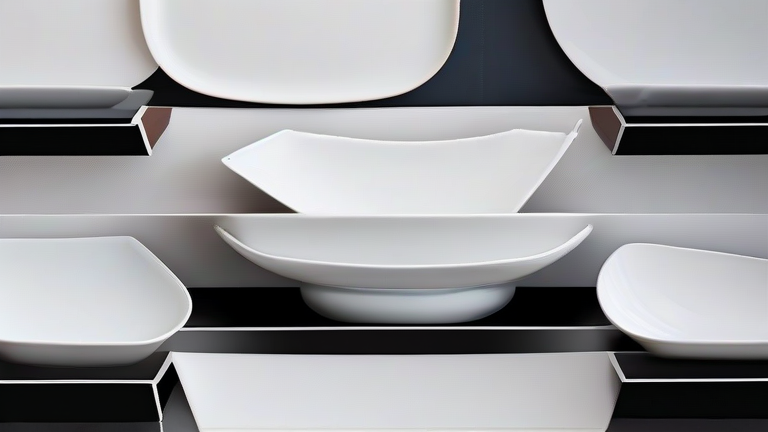
TL;DR: Choose porcelain by matching the body (hard-paste vs. bone china) to your intended use—daily dining needs durability, while decorative pieces can prioritize translucency and artistry. Always inspect the foot rim and glaze for imperfections, and buy from reputable makers with clear firing temperature specs to ensure quality.
Step 1: Identify the Porcelain Type
Start by distinguishing between hard-paste porcelain (kaolin, feldspar, quartz) fired at 1,300–1,400°C, and soft-paste or bone china (adds bone ash) fired lower. Hard-paste is more resistant to chipping and thermal shock—ideal for everyday dinnerware. Bone china is lighter and more translucent but less durable; reserve it for tea sets or special-occasion pieces. If a seller doesn’t specify the firing temperature, ask—it’s the single best indicator of strength.
If you want to dig deeper, check out our guide on Apple Vision Pro vs Meta Quest 3: Which Spatial Computer Win.
Step 2: Assess the Glaze and Foot Rim
Run your fingers along the unglazed foot rim (the bottom edge). A quality piece has a smooth, slightly matte rim with no rough burrs—this indicates careful finishing. The glaze should be even, free of pinholes, and have a consistent sheen. Hold the piece at an angle to catch light reflections: any waviness or bare spots signal a production flaw. For hand-painted porcelain, check that the enamel sits flush with the glaze, not raised or cracked.
Step 3: Test for Translucency and Resonance
Hold a plate or cup up to a bright light. Fine porcelain (especially bone china) casts a warm, honey-like glow; dense, low-quality stoneware will appear opaque. Then, gently tap the rim with a fingernail—a clear, bell-like ring indicates high firing density, while a dull thud suggests under-firing. Avoid pieces that feel heavy for their size, as that often means excess silica for cheapness.
Step 4: Match Shape and Weight to Function
For stackable dinnerware, choose plates with a slightly recessed foot and a rolled edge—they resist rim chips. For mugs, consider the handle: it should fit two fingers comfortably and be attached with a smooth, seamless joint. Teacups should have a thin, slightly flared lip for sipping, but never so thin that they feel fragile. Weigh multiple pieces of the same design—a 10-ounce mug should feel balanced, not top-heavy.
Step 5: Verify Maker Marks and Provenance
Flip the piece and examine the backstamp. Recognized factories (Meissen, Herend, Royal Copenhagen, or Japanese Noritake) print or incise marks with a year code. If the mark is painted, ensure it’s under the glaze (not on top, where it will wear off). For vintage pieces, bring a UV flashlight—many old glazes fluoresce differently, helping spot repairs. Beware of “porcelain-like” earthenware: it will have a porous, cream-colored body and a dull ring.
Step 6: Set a Budget Based on Firing Count
High-quality porcelain often undergoes two or three firings (biscuit, glaze, and decorative enamel). Ask the seller how many firings were done—more firings usually mean better color depth and durability. Set a per-piece budget: entry-level hard-paste runs $15–$30, mid-range bone china $40–$80, and artisan hand-decorated pieces exceed $150. Never sacrifice glaze integrity for a lower price; a flawed glaze cannot be fixed.
FAQ
Q: Can I put porcelain in the dishwasher and microwave?
A: Only if the piece is labeled “dishwasher safe” and has no metallic or hand-painted enamel on the rim. Hard-paste porcelain with a full glaze is generally microwave-safe, but bone china with gold or platinum trim is not—microwaves can cause arcing.
Q: How do I tell
Leave a Reply