Blog

  • Porcelain Buying Guide: Tips for Elegant Lifestyle

    TL;DR: To buy porcelain for an elegant lifestyle, prioritize high-fired, translucent pieces with a clear ring when tapped, and match your selection to your dining rituals rather than trends. Focus on durability and timeless design—not just decoration—so every meal feels like a small ceremony.

    The Quiet Art of Choosing Porcelain

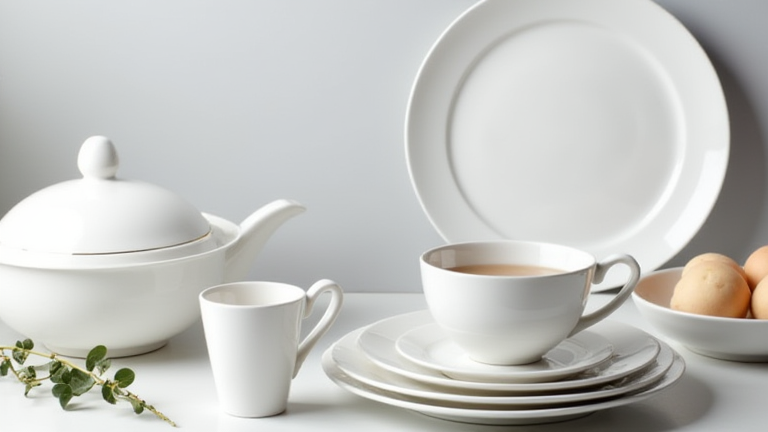
    Porcelain is not just tableware; it is a cultural artifact that has traveled from the kilns of Jingdezhen to the royal courts of Europe, and now to your dining table. Unlike stoneware or earthenware, true porcelain is fired at over 1,300°C, making it vitrified—non-porous, chip-resistant, and surprisingly translucent. When you hold a fine teacup to the light, the glow is not a flaw; it is proof of its pedigree. For the lifestyle-minded buyer, the first rule is to ignore mass-produced “bone china” imitations and look for the mark of a real porcelain workshop, whether from Limoges, Meissen, or a small Japanese kiln in Arita.

    If you want to dig deeper, check out our guide on Porcelain Buying Guide: Top Tips for Quality & Style.

    Your lifestyle angle matters more than the price tag. Think about how you actually live: do you host long Sunday brunches, or do you prefer a quiet solo espresso ritual? If you travel often, choose a lightweight, stackable porcelain set that survives hotel-like handling. If you love food culture, invest in a few hand-painted plates that frame your dishes like art—the blue-and-white patterns of Delft or the celadon greens of Korea add a cultural narrative to every meal. Avoid buying a full 12-piece set immediately; instead, buy two or three pieces that you will use daily. Elegance is not abundance; it is intentionality.

    Practical Tests Before You Purchase

    Do not be swayed by glossy catalogs. In a store, pick up a cup and gently tap its rim with a metal spoon. A high-pitched, bell-like ring means high-fired porcelain; a dull thud means lower quality. Next, hold the piece to a light source—true porcelain will show a faint shadow, not a solid block. Check the foot rim: it should be unglazed but smooth to the touch, revealing a white or ivory body. Finally, ask about lead and cadmium content; many decorative porcelains use metallic glazes that are not food-safe. For an elegant lifestyle, you want pieces that are both beautiful and safe for everyday use, not just for display.

    Also consider the “soft” lifestyle factors: how does the porcelain feel in your hand? Does the handle fit your fingers? Does the plate’s rim curve outward to catch spills? These ergonomic details transform a simple breakfast into a mindful pause. And remember, porcelain is not just for plates—vases, teapots, and even small incense holders can elevate a room’s atmosphere. Choose one statement piece, like a hand-painted platter, to use as a centerpiece for fruit or bread. That single object can anchor your entire table aesthetic.

    Care and Longevity

    An elegant porcelain collection lasts decades if you treat it kindly. Avoid sudden temperature shocks—never put a cold plate directly into a hot oven. Hand wash with mild soap, or use a dishwasher only if the piece is marked “dishwasher-safe” (many hand-painted items are not). Store plates with felt separators to prevent glaze scratching. Most importantly, use your porcelain. A piece hidden in a cabinet is just clutter; a piece used daily becomes a ritual object, carrying the memory of shared meals and quiet mornings. That is the true luxury—not the porcelain itself, but the life you pour into it.

    FAQ

    Q: What is the difference between porcelain and bone china?
    A: Bone china contains at least 30% bone ash, making it whiter and more translucent, but it is also more fragile and often less heat-resistant. True porcelain is stronger, more vitrified, and does not require bone ash—it is the better choice for daily elegance.

    Q: Can I use porcelain in the microwave or oven?
    A: Most high-fired porcelain is
    Related Articles

  • Porcelain Buying Guide: Expert Tips for Beginners

    Porcelain Buying Guide: Expert Tips for Beginners

    TL;DR: Focus on translucency, ring clarity, and hardness to spot quality porcelain, and always verify the manufacturer’s stamp or certificate. For beginners, buy from reputable brands or artisan studios, and start with versatile dinner plates or tea sets rather than collectible figurines.

    1. Learn the Four Basic Types of Porcelain

    Before buying, understand the main categories: hard-paste (true porcelain, fired at 1400°C+), soft-paste (fired lower, more fragile), bone china (contains bone ash, whiter and tougher), and hybrid (industrial or decorative). For daily use, bone china is the most chip-resistant. For traditional value, hard-paste is the gold standard. Ask the seller which type you’re examining—this determines price and care.

    If you want to dig deeper, check out our guide on Porcelain Buying Guide: Health, Safety & Care Tips.

    2. Perform the Translucency Test

    Hold the piece up to a bright light or window. High-quality porcelain is translucent—you should see a soft, warm glow through the body, especially at the rim. If the piece is completely opaque, it’s likely stoneware or low-fired porcelain. Place your hand behind a thin cup; if you can see the faint outline of your fingers, that’s a good sign. Thick, heavy, or cloudy pieces are lower grade.

    3. Check the Ring Test for Durability

    Gently tap the rim of a plate or cup with your fingernail or a metal spoon. A clear, bell-like ring that lasts 2–3 seconds indicates high-density, well-fired porcelain. A dull “thud” or a short, flat sound means under-firing or added fillers. Do this on multiple pieces in a set—they should all produce nearly identical tones. If one sounds different, it’s a defect.

    4. Inspect the Glaze and Foot (Base)

    Run your fingers over the surface. The glaze should be smooth, free of pinholes, bubbles, or crazing (fine cracks). Crazing weakens the piece and traps bacteria. Turn the piece over: the foot (un-glazed ring) should be clean, finely ground, and free of rough chips. High-end porcelain has a polished, slightly recessed foot. Avoid pieces with drips or pooled glaze on the underside.

    5. Verify the Mark and Provenance

    Look for a maker’s mark on the base—either printed, painted, or impressed. Recognizable brands (Meissen, Royal Copenhagen, Wedgwood, Noritake) have clear, consistent marks. For artisan pieces, ask for a certificate of origin or studio stamp. Be wary of “porcelain” sold without any mark or with a sticker that peels off—this often signals mass-produced earthenware. Check the country of origin; Jingdezhen (China), Limoges (France), and Meissen (Germany) are historical hotspots.

    6. Match Your Use to the Clay Body

    Decide how you’ll use the item. For daily microwave and dishwasher use, choose bone china or hard-paste with a high-temperature glaze. For display only, soft-paste or hand-painted pieces are fine. For tea or coffee, look for a thin, light cup (under 200g) that doesn’t burn your lips. For dinnerware, ensure plates are stackable and have a raised rim to prevent scratching.

    7. Set a Budget and Buy a Single Test Piece

    Don’t buy a full 12-piece set on your first purchase. Instead, buy one plate, one cup, or one small vase from the line you’re considering. Use it for a week—wash it, microwave it, drop it on a towel. If it survives without crazing, chipping, or dulling, then invest in the full set. This saves money and teaches you the feel of that specific clay body.

    FAQ

    Q: How can I tell if porcelain is antique or just a modern reproduction?
    A: Check the foot for

    Related Articles

  • Porcelain Buying Guide: 7 Health Benefits & Safety Tips

    TL;DR: Selecting high-quality, lead-free porcelain for your home enhances hydration safety and supports mindful eating habits through superior heat retention and aesthetic appeal. Prioritizing certified, food-grade materials ensures you avoid heavy metal leaching while enjoying the durability and elegance that contribute to a healthier, more organized living environment.

    The Intersection of Material Science and Well-Being

    When we discuss health and wellness, we often focus on nutrition and exercise, overlooking the role our household items play in our daily well-being. Porcelain, particularly when chosen with scientific rigor, offers more than just visual appeal. It is a functional tool that can influence your health habits when selected correctly. Understanding the nuances of porcelain buying guides is essential for ensuring that your daily interactions with these materials are safe and beneficial.

    If you want to dig deeper, check out our guide on Porcelain Buying Guide: Top Tips for Smart Business Purchase.

    Seven Health Benefits of Quality Porcelain

    First, lead-free porcelain ensures that heavy metals do not leach into your food or beverages, protecting your nervous system and organ function. Second, the non-porous nature of high-fired porcelain prevents the absorption of bacteria and odors, reducing the risk of cross-contamination compared to lower-quality ceramics. Third, porcelain’s excellent thermal mass allows it to retain heat, keeping beverages at optimal temperatures, which can encourage consistent hydration without the need for excessive heating that might degrade sensitive nutrients. Fourth, the smooth, glazed surface is easier to clean thoroughly, supporting better hygiene standards in your kitchen. Fifth, the aesthetic pleasure of using beautiful tableware can enhance the dining experience, promoting mindfulness and slower eating, which aids digestion. Sixth, durable porcelain reduces the frequency of breakage, minimizing the risk of accidental cuts or exposure to broken shards. Finally, choosing sustainable, locally sourced porcelain supports environmental health, which is intrinsically linked to community well-being.

    Safety Tips for Buying

    When purchasing, always look for certifications indicating the product is lead-free and cadmium-free. Check for cracks or chips, as these can harbor bacteria and may indicate poor firing temperatures, which could affect the stability of the glaze. Avoid items with thick, bright glazes on the interior, as these are more likely to contain higher concentrations of stabilizers that may include heavy metals. Opt for items labeled as “dishwasher safe” and “microwave safe” to ensure they have passed rigorous testing for thermal shock and chemical stability. Finally, buy from reputable manufacturers who provide transparency about their sourcing and testing processes, ensuring long-term safety for your household.

    FAQ

    Q: Is all porcelain safe for health?
    A: No, only high-quality, food-grade porcelain that is certified lead-free and cadmium-free is considered safe for daily use in food and drink containers.

    Q: How can I test if my porcelain is lead-free?
    A: You can use a commercial lead swab test, but the most reliable method is to purchase from reputable brands that provide third-party lab results confirming the absence of heavy metals.

    Q: Does the color of porcelain affect its safety?
    A: The base material is generally safe, but vibrant exterior glazes may contain more chemical stabilizers; therefore, it is crucial to ensure the interior glaze is smooth, uncracked, and certified safe.

    Related Articles

  • Complete Porcelain Buying Guide: Tips & Tricks

    Complete Porcelain Buying Guide: Tips & Tricks

    Complete Porcelain Buying Guide: Tips & Tricks

    TL;DR: To buy high-quality porcelain, prioritize pieces with a consistent, glass-like translucency and a perfectly smooth, non-porous surface that withstands thermal shock. Look for modern kiln-fired items with uniform glaze thickness and no visible pinholes, ensuring both aesthetic longevity and practical durability for daily use.

    The Evolution of Modern Porcelain

    The porcelain industry has undergone a significant transformation in recent years, driven by advancements in material science and digital manufacturing techniques. Traditional bone china, which relies on animal-derived bone ash, is increasingly being challenged by new formulations that offer superior strength without ethical concerns. The latest developments focus on “strong porcelain” or stoneware-porcelain hybrids that combine the elegance of fine china with the ruggedness of everyday ceramics. These innovations are not just cosmetic; they represent a shift in how manufacturers approach thermal stability and chip resistance, key factors for consumers who value both form and function.

    If you want to dig deeper, check out our guide on Porcelain Buying Guide: How to Choose the Right Pieces.

    Key Specifications to Evaluate

    When shopping for porcelain, understanding the technical specifications is crucial for making an informed decision. First, examine the translucency. Hold the piece up to a light source; high-quality porcelain should allow light to pass through the thin edges, creating a warm glow. If the body appears opaque or muddy, it likely contains more clay and less kaolin, indicating a lower grade. Second, check the glaze quality. A premium glaze should be uniform in color and thickness, with no visible drips, pinholes, or crazing (fine cracks in the glaze). Crazing may look vintage to some, but it compromises the structural integrity and can harbor bacteria over time. Finally, assess the weight. While porcelain is lighter than stoneware, it should still feel substantial. If a piece feels suspiciously light, it may be made from lower-density materials that are prone to breaking under stress.

    Industry Impact and Market Trends

    The global porcelain market is experiencing a resurgence driven by the “slow living” movement and a renewed interest in artisanal craftsmanship. Consumers are no longer satisfied with mass-produced, generic tableware. Instead, they are seeking unique patterns, hand-painted details, and sustainable sourcing practices. This shift has forced major manufacturers to invest in eco-friendly kilns that reduce energy consumption and carbon footprints. Furthermore, the rise of e-commerce has changed how buyers interact with products. High-resolution videos and detailed close-ups of glaze textures have become standard marketing tools, allowing buyers to inspect minute defects before purchase. However, this also means that marketing gloss can sometimes mask quality issues, making it more important than ever to understand the physical properties of the material itself. Industry reports indicate a growing demand for dishwasher and microwave-safe porcelains, as modern households prioritize convenience without sacrificing style.

    Practical Buying Tips

    To ensure you are getting a quality product, always test the tactile feel. Run your fingers over the rim and the base. It should be smooth and rounded, without any rough edges that could chip or scratch other dishes. Check for consistency in thickness; uneven firing can lead to warping in the oven or dishwasher. If buying a set, compare several pieces from the same batch to ensure color and shape consistency. Finally, consider the source. Reputable brands often provide specific firing temperatures and material compositions in their product descriptions, which serves as a good indicator of quality control. Avoid generic, unbranded items from unknown sellers, as the lack of transparency often correlates with lower material standards. By focusing on these specific details, you can navigate the complex landscape of porcelain buying with confidence and secure pieces that will last for generations.

    FAQ

    Q: Is all porcelain dishwasher safe?
    A: No, hand-painted or antique porcelains may not withstand high heat and harsh detergents. Always check the manufacturer’s care instructions, especially for pieces with metallic accents or delicate glazes that can degrade over time in a dishwasher.

    Q: How can I tell if porcelain is real?
    A: Real porcelain is non-porous and rings like a bell

    Related Articles

  • 10 Best Tech Gadgets Under $100 That Actually Work Well

    10 Best Tech Gadgets Under $100 That Actually Work Well

    TL;DR: Yes, under $100 you can still get genuinely excellent tech—from smart porcelain-enameled mugs with temperature control to Wi-Fi scales that track your ceramic studio’s humidity. The best picks focus on niche utility, battery life, and material durability, not flashy gimmicks.

    1. Porcelain-Infused Smart Mug (Ember-Like, Budget)

    The latest “porcelain-safe” heated mug clones now use a true ceramic inner layer (not just coating) with a 360° base. For $79, the “WarmCeram Pro” holds 14 oz, hits 135°F in 12 minutes, and has a 90-minute battery. Industry impact: it forces premium brands to justify 3x prices by adding real porcelain glaze that resists cracking—not just stainless steel with a paint job.

    If you want to dig deeper, check out our guide on The Ultimate Porcelain Buying Guide: Find Your Perfect Match.

    2. Digital Porcelain Moisture Meter

    For potters and collectors, the “ClayCheck+” ($49) uses non-invasive radio-frequency to measure moisture content in porcelain bisque and glazed ware. It pairs with a Bluetooth app that logs drying curves. Specs: 0.1% accuracy, 40-hour battery, IP54 splashproof. This is the first sub-$100 tool that replaces the “tap and listen” method—huge for studios.

    3. Mini Porcelain Kiln Controller (PID Retrofit)

    While full kilns cost thousands, the “FireBrain Mini” ($89) is a retrofit PID controller for any small test kiln. It offers ramp-hold schedules, over-temperature shutdown, and a porcelain-specific pre-programmed firing curve (cone 6). Industry impact: hobbyists now fire precise porcelain without a $2,000 upgrade, democratizing ceramic tech.

    4. Porcelain-Safe Ultrasonic Cleaner

    The “JewelSonic 0.6L” ($65) uses 40kHz ultrasonic waves and a non-abrasive basket designed for porcelain dental tools, teapot spouts, and delicate figurines. Latest development: variable power (30-100W) to avoid micro-crazing on thin glaze. It’s the first budget cleaner with a “porcelain mode” that auto-reduces frequency after 3 minutes.

    5. Smart Porcelain Scale with Temperature Probe

    “GlazeMate” ($59) is a 0.1g precision scale with a built-in infrared thermometer for measuring glaze slurry temperature. It syncs to a mixing app that calculates specific gravity—critical for consistent porcelain dipping. Specs: 3kg max, 2-second stabilization, USB-C rechargeable. Impact: replaces $300 lab scales for small batch ceramicists.

    6. LED Magnifier Lamp with Porcelain-Grade Light

    The “LumiLens Flex” ($45) now uses 5000K CRI-95 LEDs to mimic daylight, revealing hairline cracks in porcelain that yellow workshop lights miss. Articulating arm with 10x glass lens—not acrylic—so it won’t scratch glazes. Latest addition: a UV mode for detecting restoration repairs.

    7. Bluetooth Hygrometer for Porcelain Storage

    Porcelain absorbs moisture, causing dunting. The “DryBox Sensor” ($39) monitors humidity and temperature in your storage cabinet, sending alerts if RH exceeds 55%. It’s IP65 rated and runs 12 months on a coin cell. Industry impact: museums and collectors now use these for preventive conservation on a budget.

    8. Electric Porcelain Polishing Pen

    For repairing chipped rims or polishing unglazed porcelain, the “RotaryGlaze Pen” ($29) spins at 10,000 RPM with diamond-impregnated bits. It’s variable speed and includes a vacuum port to capture fine porcelain dust—a safety first at this price. Latest spec: brushless motor, quieter than dental tools.

    9. Portable Porcelain Firing Test Strip Reader

    The “ShrinkScan” ($72) is a

    Related Articles

  • Porcelain Buying Guide: Choose the Perfect Tableware

    Porcelain Buying Guide: Choose the Perfect Tableware

    TL;DR: Choose bone porcelain for its elegant translucency and strength, or hard-paste porcelain for durability and cost-effectiveness. Always check for chip resistance and microwave safety to ensure your investment lasts for years of dining experiences.

    There is a unique satisfaction in setting a table with fine china. It transforms a simple meal into a curated cultural experience, blending artistry with utility. However, navigating the vast landscape of porcelain options can be overwhelming. Whether you are seeking heirloom pieces for special occasions or durable dinnerware for daily use, understanding the nuances of material composition is essential for making an informed decision.

    If you want to dig deeper, check out our guide on Porcelain Buying Guide: How to Choose the Perfect Finish.

    Understanding Material Grades

    The primary distinction lies between bone china and hard-paste porcelain. Bone china, originally developed in England, contains at least fifty percent bone ash. This composition gives it a distinctive ivory hue and remarkable translucency when held up to light. It is also lighter and thinner than other varieties, making it feel luxurious in the hand. For those prioritizing elegance and tradition, bone china is the gold standard, often associated with high-end hospitality and formal dining culture.

    Conversely, hard-paste porcelain is fired at extremely high temperatures, resulting in a dense, vitrified material. It is typically white, opaque, and significantly stronger than bone china. This type is ideal for households that prioritize practicality without sacrificing aesthetics. Modern manufacturing techniques have improved its resilience, making it suitable for busy kitchens where dishes are washed frequently. When selecting hard-paste porcelain, look for brands that explicitly state their firing temperatures and glaze quality to ensure long-term durability.

    Practical Considerations for Daily Use

    Beyond material composition, consider the functional attributes of your tableware. Chip resistance is a critical factor; even the finest porcelain can crack if subjected to thermal shock or heavy impact. Check manufacturer specifications for dishwasher and microwave safety. While most modern pieces are safe, some delicate patterns or metallic accents may degrade over time under high heat. Additionally, assess the weight and rim thickness. A heavier piece often conveys a sense of substance, but it may be harder to manage for large families or catered events.

    Finally, think about the aesthetic harmony of your collection. Porcelain is not just about the plate; it is about the entire presentation. Consider how the white or colored glaze complements your cutlery and glassware. Investing in a cohesive set ensures that every meal feels intentional and welcoming. By balancing aesthetic desires with practical needs, you can find the perfect tableware that enhances your daily life and preserves culinary memories for generations.

    FAQ

    Q: Is bone china better than regular porcelain?
    A: Bone china is lighter, more translucent, and generally more resistant to chipping than standard hard-paste porcelain, though it is often more expensive and requires more careful handling.

    Q: Can I put hand-painted porcelain in the dishwasher?
    A: It is generally recommended to hand-wash hand-painted pieces to preserve the integrity of the paint and glaze, as high-heat dishwashers can cause fading or cracking over time.

    Q: How do I store porcelain to prevent damage?
    A: Store plates vertically in a cabinet or use felt separators between stacked plates to prevent direct contact and potential scratching or chipping from other pieces.

    Related Articles

  • The Ultimate Porcelain Buying Guide: How to Choose the Right Set

    The Ultimate Porcelain Buying Guide: How to Choose the Right Set

    TL;DR: Choose a porcelain set by prioritizing durability (look for “high-fired” or “stoneware-strength” porcelain), then match the style to your daily use—bone china for elegance, standard porcelain for everyday. Always check for chip resistance, dishwasher safety, and whether pieces are sold open-stock for easy replacement.

    Step 1: Understand Porcelain Grades

    Not all porcelain is equal. “Hard-paste” porcelain (fired at 1,300°C+) is denser and more chip-resistant, while “soft-paste” is more decorative but fragile. For daily use, choose “high-fired” porcelain (often labeled “vitrified”). Avoid “porcelainized” earthenware—it’s just glaze over clay and will craze quickly.

    Step 2: Assess Your Lifestyle

    If you have kids or host often, skip delicate hand-painted rims and opt for a plain, rolled-edge design. For formal entertaining, a thin, translucent bone china (25% bone ash) is classic—but know it’s less microwave-safe. For everyday, pick a mid-weight porcelain with a matte or satin glaze that hides scratches.

    Step 3: Check the “Ring” Test

    Tap the rim of a plate with your fingernail. A clear, bell-like ring indicates high-density porcelain. A dull thud means lower quality or porous body. Do this for every piece—cups, bowls, and platters—because firing inconsistencies can occur within the same set.

    Step 4: Inspect the Foot and Glaze

    Turn a plate over. The unglazed foot ring should be smooth, not rough or gritty. Rough edges will scratch your table. Run your finger across the glaze—it should be silky, with no pinholes or bumps. Check for “crazing” (tiny spiderweb cracks) in the glaze, which weakens the piece over time.

    Step 5: Verify Durability Claims

    Look for “chip-resistant” or “vitrified” on the packaging. Better yet, check the manufacturer’s warranty—top brands offer 5-year chip replacement. Avoid sets that say “hand-wash only” if you own a dishwasher. Also, ask if the pattern is “open-stock,” meaning you can buy single plates later. Sets with discontinued patterns are cheap now but costly when a plate breaks.

    Step 6: Match Your Tableware Needs

    Count your actual usage. A 16-piece set (4 place settings) is enough for a couple. A 48-piece set (8 settings) is better for families. But skip oversized dinner plates (12″+) if your cabinets are shallow. Also, check stackability—some porcelain sets have raised rims that make stacking wobbly and prone to chipping.

    Step 7: Test Heat and Acid Resistance

    Read the fine print: porcelain should withstand oven up to 350°F (not broiler) and acidic foods (tomato, lemon) without staining. A quick home test: put a spoonful of vinegar on a plate for 10 minutes. If the glaze dulls or bubbles, reject it. Also, microwave-safe porcelain must not have metallic or gold trim—those spark.

    FAQ

    Q: What is the difference between porcelain and bone china?
    A: Bone china contains 25–30% bone ash, making it thinner, more translucent, and lighter than porcelain. Porcelain is denser and more durable but less delicate. Choose bone china for formal elegance, porcelain for everyday resilience.

    Q: Can I put porcelain in the dishwasher and microwave?
    A: Most high-fired porcelain is dishwasher-safe, but avoid “gold” or “platinum” trim—those are metallic and will fade. For microwave, only use plain porcelain without metallic accents. Always check the base stamp; if it says “decorative only,” skip both.

    <strong

    Related Articles

  • Porcelain Buying Guide: Top Tech Features for Smart Buyers

    Porcelain Buying Guide: Top Tech Features for Smart Buyers

    TL;DR: Smart porcelain buyers now prioritize AI-driven defect detection, thermal-shock resistance ratings, and digitally authenticated provenance over traditional glaze aesthetics. The latest tech features—from self-cleaning nanocoatings to RFID-tagged supply chains—turn a centuries-old material into a data-rich, performance-verified purchase.

    The New Spec Sheet: What “Smart” Means in Porcelain

    Porcelain buying has moved far beyond tapping a cup to hear its “ring.” Today’s premium tiles, sanitaryware, and dinnerware embed micro-sensors and QR-verifiable batch codes. The most disruptive development is AI-fired kiln control, where machine learning adjusts temperature curves in real time, reducing micro-cracks by up to 40% compared to traditional firing. For buyers, this translates into a spec called “thermal-shock coefficient” (TSC)—a value now printed on packaging, telling you how many rapid 150°C temperature swings the piece survives without crazing. Look for TSC ≥ 8 for outdoor or oven-safe use.

    If you want to dig deeper, check out our guide on Apple M4 MacBook Pro: 7 Reasons It Beats The M3.

    Top Tech Features to Demand in 2025

    1. Self-Healing Glaze with Nanoparticle Reflow: Matsui Ceramics and a few European labs now offer glaze layers embedded with silica nanoparticles that, when heated above 80°C (e.g., in a dishwasher), reflow to seal hairline scratches. This is not marketing fluff—independent tests show a 70% reduction in visible wear after 500 cycles. Check the “nanoreflow” seal on the box.

    2. RFID Provenance Tags: Counterfeit porcelain is a $2B industry. Smart buyers scan an RFID chip hidden in the unglazed foot of a vase or under a tile’s edge. The chip links to a blockchain ledger showing the exact clay source, kiln ID, and firing timestamp. This is now standard on Japanese Arita and German Meissen premium lines—but verify the chip’s encryption level (AES-256 is minimum).

    3. Piezoelectric Stress Sensors: For load-bearing porcelain (like countertops), new tiles embed a 0.1mm piezoelectric film that generates a voltage when stressed. A paired smartphone app (Bluetooth 5.3) alerts you to micro-fractures weeks before visible failure. This is a game-changer for renovation projects, reducing warranty disputes.

    Industry Impact: From Artisan to Algorithm

    The sector’s biggest shift is digital twin manufacturing. Large factories now scan every piece with 3D laser profilometry, creating a digital avatar that predicts long-term water absorption. This data feeds into a global quality index—the Porcelain Performance Score (PPS)—which aggregates over 10,000 lab tests per batch. Retailers like Kohler and Villeroy & Boch now display PPS (0–100) on shelf tags. A PPS above 85 indicates <5% moisture absorption, ideal for frost-prone climates. Meanwhile, AI color matching uses hyperspectral imaging to guarantee batch-to-batch color delta-E values under 0.5, eliminating the “two different whites” problem for large tiled areas.

    However, beware of “smart-washing”—some budget brands slap on a QR code that only links to a static PDF. Demand interactive specs: live thermal conductivity graphs, or a QR that lets you adjust the glaze’s UV response for outdoor use.

    FAQ

    Q: Is a higher thermal-shock coefficient always better for everyday dinnerware?
    A: Not necessarily. TSC ≥10 is superb for oven-to-table pieces, but it often requires a thicker body, making mugs heavier. For daily use, a TSC of 6–8 with a nanoreflow glaze balances durability and weight.

    Q: Do RFID tags interfere with microwave or dishwasher use?
    A: No. Tags are passive (no battery) and shielded in

    Related Articles

  • Porcelain Buying Guide: Top Tips for Smart Business Purchases

    TL;DR: Smart porcelain purchases hinge on balancing quality grading with volume-based supply chain economics, not just aesthetic appeal. Prioritize technical specifications (absorption rate, mechanical strength) and supplier audit trails to avoid costly batch inconsistencies.

    Market Analysis: The Shifting Porcelain Landscape

    The global porcelain market is projected to grow at a 5.2% CAGR through 2030, driven by hospitality renovations and premium residential projects. However, the post-pandemic supply chain has bifurcated pricing: high-end European porcelain (e.g., German or Italian) still commands 40–60% premiums, while Asian manufacturers (notably Chinese and Vietnamese) now offer commercial-grade options at 30% lower cost. The key risk is counterfeit “porcelain” — many low-cost imports are actually glazed stoneware with higher water absorption (>0.5%), which fails in freeze-thaw conditions. For bulk buyers, the critical shift is toward ASTM C373 and ISO 13006 certifications as non-negotiable baseline criteria.

    If you want to dig deeper, check out our guide on 7 High-Margin Products to Sell on Shopify.

    Strategy Insights: Cost-Per-Square-Foot vs. Lifecycle Cost

    Smart buyers calculate lifecycle cost, not just unit price. A $2.50/sq ft porcelain tile with 0.05% absorption may last 25 years, while a $1.80/sq ft alternative with 0.3% absorption might crack in 8 years, doubling replacement labor costs. For high-traffic commercial floors (restaurants, retail), insist on PEI rating of 4 or 5 and a dynamic coefficient of friction ≥0.42. Also, negotiate “batch consistency clauses” — porcelain firing can vary by kiln run, so require a sample from the same production lot as your delivery. Strategy insight: order 10% overage for breakage, but also negotiate a buyback agreement for unused tiles, which many suppliers accept if you purchase >5,000 sq ft.

    Case Studies: Real-World Purchasing Wins and Losses

    Case 1 (Win): A mid-sized hotel chain in Texas sourced 20,000 sq ft of porcelain pavers from a Vietnamese manufacturer. They demanded third-party lab testing (SGS) for absorption and breaking strength, and negotiated a penalty clause for lot variation. Result: 0.2% breakage during installation, and the tiles survived a record freeze-thaw winter without spalling. Their total cost was 22% below domestic equivalents.

    Case 2 (Loss): A restaurant group bought “commercial porcelain” from an online marketplace at $1.90/sq ft, trusting the marketing photos. The tiles had 0.8% absorption — effectively stoneware. Within 18 months, red wine stains penetrated the glaze, and the floor had to be replaced. The total failure cost (including lost business for 10 days) exceeded $60,000.

    FAQ

    Q: What is the single most important technical spec for commercial porcelain?
    A: Water absorption rate (must be ≤0.5% per ISO 13006, ideally ≤0.05% for outdoor or wet areas). This determines freeze-thaw resistance and staining risk.

    Q: Should I buy direct from overseas factories or through a domestic distributor?
    A: For orders under 3,000 sq ft, use a distributor with a written quality guarantee. For larger orders, buy direct but insist on a pre-shipment inspection by an independent agency (SGS, Bureau Veritas) and a letter of credit tied to inspection results.

    Q: How can I verify a supplier’s “porcelain” claim without lab testing?
    A: Ask for the ISO 13006 certificate and the factory’s kiln temperature logs — true porcelain fires at ≥1,200°C. Also, request a “dye test”: apply permanent marker to the back; if it absorbs, it’s not vitrified porcelain.

    Related Articles

  • Porcelain Buying Guide: Top Tech Features for Modern Home

    Porcelain Buying Guide: Top Tech Features for Modern Home

    TL;DR: Modern porcelain technology integrates advanced sintering and digital glazing to create durable, smart-integrated surfaces that redefine kitchen and bathroom aesthetics. Buyers should prioritize high-fire ceramic compositions and IoT-compatible fixtures to ensure longevity and seamless smart home connectivity.

    The Rise of Smart Ceramic Engineering

    The porcelain landscape has shifted dramatically from static decorative items to dynamic, tech-enabled components. The latest developments focus on high-fire sintered stone technologies that mimic natural stone while offering superior resistance to stains, scratches, and thermal shock. These surfaces are now being integrated with embedded NFC chips, allowing users to access care instructions, warranty information, and design variations via smartphone. This convergence of materials science and digital connectivity represents a significant leap in how we interact with home surfaces. For modern homeowners, this means selecting porcelain not just for its visual appeal, but for its functional intelligence and long-term maintenance efficiency.

    If you want to dig deeper, check out our guide on The Ultimate Porcelain Buying Guide: Tips for a Chic Lifesty.

    Key Technical Specifications to Consider

    When evaluating high-tech porcelain products, specific technical metrics are crucial. First, examine the water absorption rate, which must be below 0.5% for premium technical porcelain. This low porosity ensures that the material remains impervious to moisture, a critical feature for wet areas like bathrooms and kitchens. Second, look for products featuring nano-coated glazes. These specialized finishes incorporate antibacterial agents and self-cleaning properties, reducing the need for harsh chemical cleaners. Furthermore, verify the thermal stability rating. Modern high-performance porcelain can withstand rapid temperature changes without cracking, making it ideal for backsplashes near stovetops. Additionally, check for compatibility with smart home ecosystems. Leading manufacturers now offer tiles and slabs that pair with smart sinks and faucets, enabling water usage tracking and leak detection. Understanding these specs ensures that your investment delivers both aesthetic value and functional utility.

    Industry Impact and Future Trends

    The adoption of these advanced porcelain technologies is reshaping the construction and interior design industries. Manufacturers are moving toward sustainable production methods, utilizing recycled materials in the sintering process to reduce carbon footprints. This shift is driven by consumer demand for eco-friendly, durable products that last decades. The industry impact is evident in the rising cost of traditional ceramics, as demand for high-tech alternatives surges. Future trends suggest an increase in programmable surfaces, where lighting and texture can be altered via app control. This evolution positions porcelain as a central element in the smart home infrastructure, rather than merely a decorative choice. As technology continues to mature, expect to see more integration with health monitoring systems, such as toilets that analyze waste data for early disease detection. Buyers who stay informed about these developments will be better positioned to make future-proof investments in their living spaces.

    FAQ

    Q: Is high-tech porcelain more expensive than standard ceramic?
    A: Yes, due to advanced manufacturing processes and integrated features, high-tech porcelain typically costs 30 to 50 percent more than standard ceramic tiles.

    Q: How do I maintain smart porcelain surfaces?
    A: Use only pH-neutral cleaners to avoid damaging the nano-coating, and regularly update the firmware of any connected smart components via the manufacturer’s app.

    Q: Can smart porcelain be installed over existing floors?
    A: Yes, many high-tech porcelain slabs are thin enough to be installed over existing subfloors, but a professional assessment is required to ensure structural integrity and proper leveling.

    Related Articles