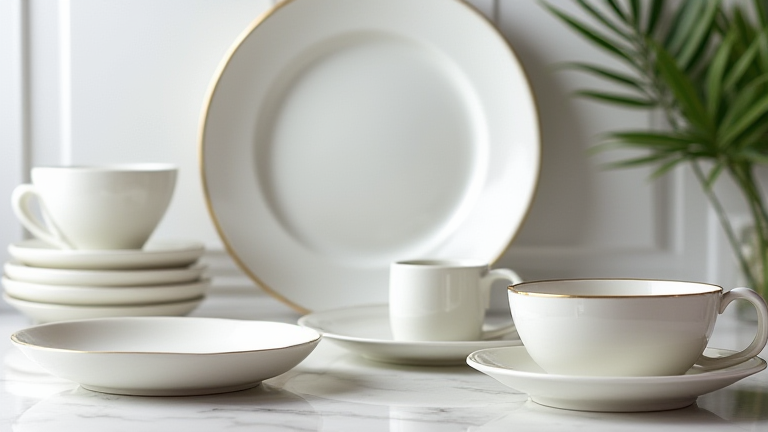
Porcelain Buying Guide: How to Choose the Perfect Pieces
TL;DR: Select high-quality porcelain by examining the translucency of the body and the smoothness of the glaze under natural light. Prioritize pieces with consistent firing temperatures and reputable manufacturer certifications to ensure durability and aesthetic perfection.
Investing in fine porcelain is a decision that blends artistry with functionality. Whether you are upgrading your daily tableware or curating a display collection, understanding the nuances of porcelain craftsmanship is essential. The market is saturated with options ranging from mass-produced ceramic items to hand-thrown artisanal masterpieces, making the selection process daunting for many buyers. This guide breaks down the critical features you must evaluate to make an informed purchase that withstands the test of time.
If you want to dig deeper, check out our guide on Why Cold Brew Coffee Is Dominating the Specialty Drink Trend.
Feature Highlights: What Defines Quality
The primary indicator of true porcelain is its body density and translucency. High-grade porcelain is fired at temperatures exceeding 1,200 degrees Celsius, resulting in a vitrified body that is nearly translucent when held up to a light source. Lower-quality items often appear opaque and chalky. Additionally, the glaze finish is crucial. A superior glaze should feel glassy and smooth, free from pitting or uneven spots. Look for pieces with a “hard-paste” composition, which includes kaolin, feldspar, and quartz. This mixture ensures the material is strong yet lightweight, offering a delicate appearance without compromising structural integrity.
Comparisons: Bone China vs. Hard Porcelain
When shopping, you will frequently encounter the terms “bone china” and “hard porcelain.” Bone china contains bone ash, typically derived from cattle bones, which gives it a distinctive ivory tone and exceptional strength. It is generally more translucent and shatter-resistant than standard hard porcelain. However, bone china is usually more expensive due to the complex manufacturing process. Hard porcelain, on the other hand, offers a brighter white aesthetic and is often more affordable. For daily use, hard porcelain provides an excellent balance of durability and cost. For formal occasions or heirloom pieces, the unique luster and weight of bone china often justify the premium price tag. Consider your intended usage: if you frequently host large gatherings, the durability of bone china may be worth the investment, whereas for casual dining, high-quality hard porcelain offers sufficient resilience.
Practical Considerations and Care
Beyond aesthetics, practical features such as microwave and dishwasher safety must be verified. Reputable manufacturers clearly label their products with these icons. Check for lead and cadmium-free certifications, especially if the pieces feature colorful underglaze patterns. Proper care is vital to maintaining the luster of your investment. Avoid abrasive cleaners and extreme temperature shocks, such as placing a hot dish directly into a cold sink. Hand washing is often recommended for antique or hand-painted pieces to preserve intricate details. Storage should also be considered; stacking delicate items without separators can cause chipping over time. Investing in felt-lined storage solutions can prevent minor impacts that accumulate into significant damage.
Call to Action
Ready to elevate your table setting? Visit our curated selection of premium porcelain collections today. We offer a variety of styles from minimalist modern to traditional ornate, all vetted for quality and authenticity. Explore our detailed product pages to view close-up glaze textures and hear expert tips on care. Don’t settle for generic ceramics; choose pieces that reflect your taste and last for generations. Shop now to discover your next favorite dining companion.
FAQ
Q: How can I tell if porcelain is genuine?
A: Hold the piece up to a light; genuine porcelain allows light to pass through slightly, making it translucent, whereas ceramic or stoneware remains opaque.
Q: Is bone china stronger than regular porcelain?
A: Yes, bone china is generally stronger and more shock-resistant due to the addition of bone ash, which enhances its structural integrity without increasing weight.
Q: Can I put handmade porcelain in the dishwasher?
A: It depends on the glaze and
Leave a Reply