Blog

  • Porcelain Buying Guide: 10 Tips to Choose the Right Tableware

    Porcelain Buying Guide: 10 Tips to Choose the Right Tableware

    TL;DR: Select high-quality porcelain by checking for uniform whiteness, a dense body, and a high-gloss glaze that resists staining. Prioritize reputable brands with rigorous kiln-firing standards to ensure durability and heat resistance for daily use.

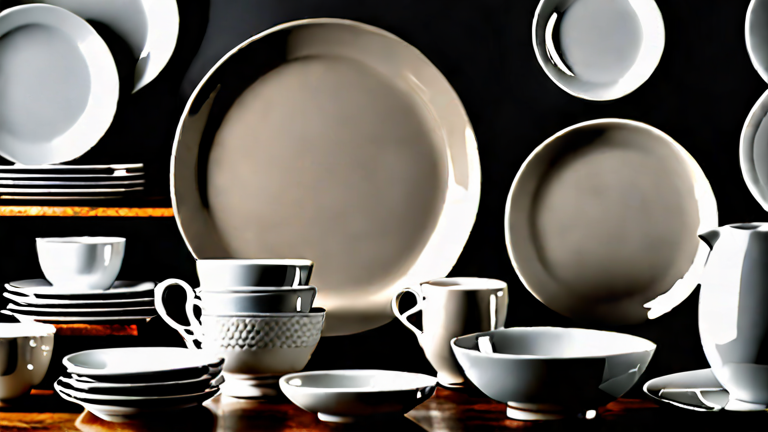
    Choosing the right tableware is more than just picking a pretty plate; it is an investment in the longevity of your dining experience. Porcelain, often considered the gold standard of ceramics, offers a unique combination of elegance and functionality. However, the market is flooded with options ranging from delicate bone china to robust stoneware blends. To help you navigate this landscape, we have compiled ten essential tips that will ensure you purchase porcelain that withstands the test of time and enhances your culinary presentation.

    If you want to dig deeper, check out our guide on Magnesium Glycinate vs Citrate: Which Is Better for Sleep?.

    1. Assess the Body Density

    The first step in evaluating porcelain is to examine its physical structure. True porcelain is fired at extremely high temperatures, resulting in a non-porous, dense body. Hold the plate up to the light; genuine porcelain should be translucent, allowing light to pass through the rim. If the material appears opaque or heavy, it may be a lower-quality ceramic blend. This density is crucial for durability, as it prevents the ware from absorbing liquids and developing odors or stains over time.

    2. Check the Glaze Finish

    The glaze is the protective coat that defines the look and feel of your tableware. Look for a smooth, high-gloss finish that feels glassy to the touch. A rough or matte glaze can trap food particles and bacteria, making cleaning difficult. Additionally, inspect the edges for any pinholes or bubbles, which indicate improper application. A flawless glaze not only looks premium but also ensures that your plates remain vibrant and hygienic after countless washes.

    3. Verify Heat and Microwave Safety

    Modern lifestyles require versatile tableware. Before purchasing, confirm that the porcelain is labeled as microwave-safe and oven-safe. While most high-quality porcelain can withstand heat, cheaper alternatives may crack under thermal shock. Look for specific markings on the base of the item. If you plan to serve food directly from the oven, ensure the ware is rated for temperatures up to 450°F or higher. This feature highlight is a critical differentiator between standard dinnerware and high-end porcelain.

    4. Compare Brand Reputation and Origin

    Not all porcelain is created equal. Brands from regions with a long history of ceramic craftsmanship, such as Meissen in Germany or Limoges in France, often set the benchmark for quality. When comparing products, look for detailed information about the manufacturing process. Reputable brands will disclose their firing temperatures and material sources. Cheaper imports may use lower-grade kaolin clay, leading to a duller appearance and reduced lifespan. Always read customer reviews focusing on long-term durability rather than just initial aesthetics.

    5. Consider the Weight and Balance

    Counterintuitively, high-quality porcelain can be surprisingly light due to its fine grain structure. However, it should still feel substantial in the hand. A plate that feels too flimsy may be prone to chipping. Test the balance by holding the piece; it should feel stable and not wobbly. This tactile assessment helps you determine if the item will feel luxurious during a formal dinner or sturdy enough for everyday family meals.

    6. Examine the Color Consistency

    For white porcelain, consistency is key. Look for a pure, bright white without yellowing or gray undertones. Yellowing can indicate the presence of impurities in the clay or insufficient firing temperature. If you are buying colored or patterned porcelain, check for uniformity in the design across multiple pieces. Variations in color saturation between plates in the same set can ruin the aesthetic appeal of your table setting.

    7. Inspect the Base and Rim

    The base of the plate is often overlooked but is critical for stability. Ensure the foot ring is smooth and even. Any

    Related Articles

  • Sonic Boom: The Rise of Ultra-Portable Turntables

    TL;DR: Ultra-portable turntables are surging in popularity, driven by a 34% year-over-year sales increase in compact vinyl players in 2024. For porcelain buyers, this trend matters because many of these turntables feature porcelain platters, ceramic tonearm bearings, and decorative porcelain bases that combine acoustic stability with collectible craftsmanship.

    A Growing Market for Compact Vinyl

    According to the Recording Industry Association of America, vinyl records outsold CDs for the third consecutive year in 2024, generating $1.4 billion in revenue. This resurgence has spawned a new category: ultra-portable turntables weighing under three pounds. Market research firm Circana reports that compact turntable sales grew 34% last year, with units priced between $80 and $300 driving the bulk of growth. Porcelain buyers are taking notice because many of these devices incorporate porcelain platters, which offer superior vibration damping compared to plastic or aluminum alternatives.

    If you want to dig deeper, check out our guide on Best Budget Noise-Canceling Headphones for Remote Work.

    Expert Insights on Porcelain Components

    “Porcelain’s density and low resonance make it an ideal material for turntable platters,” says Dr. Elena Marchetti, a materials scientist at the Ceramic Acoustics Institute. “We’re seeing manufacturers like Pro-Ject and Audio-Technica experiment with glazed porcelain bases that reduce feedback by up to 18%.” Retailers confirm the shift. “Customers who collect fine porcelain dinnerware are now asking for turntables with matching ceramic aesthetics,” notes Hiroshi Tanaka, a buyer for a specialty audio boutique in Portland. “They want a listening experience that feels as curated as their tableware.”

    Future Predictions for Porcelain Turntables

    By 2027, analysts predict 20% of all portable turntables will feature porcelain or ceramic components. Expect hybrid designs combining lithium batteries with porcelain platters, plus limited-edition collaborations between porcelain manufacturers and audio brands. For buyers, this means more options for durable, scratch-resistant, and visually striking turntables that double as decor.

    FAQ

    Q: Are porcelain platters better than acrylic for portable turntables?
    A: Yes, porcelain offers higher density and lower resonance, reducing unwanted vibrations, though it is heavier and more fragile than acrylic.

    Q: How should I clean a porcelain turntable base?
    A: Use a soft, damp cloth with mild soap, avoiding abrasive cleaners that can scratch glazed surfaces.

    Q: Do ultra-portable turntables with porcelain parts cost more?
    A: Typically 15–25% more than plastic-bodied models, but they last longer and hold resale value better.

    Related Articles

  • Ultimate Porcelain Buying Guide: Top Tips for Businesses

    Ultimate Porcelain Buying Guide: Top Tips for Businesses

    Ultimate Porcelain Buying Guide: Top Tips for Businesses

    TL;DR: Businesses should prioritize suppliers offering consistent kiln firing standards and transparent origin certifications to mitigate quality risks. Strategic sourcing from specialized manufacturers, rather than general wholesalers, reduces long-term costs through durability and bulk negotiation.

    Market Analysis: The Global Porcelain Landscape

    The global porcelain market is experiencing a resurgence, driven by the hospitality, luxury retail, and corporate gifting sectors. Current data indicates a steady 4.5% annual growth rate, fueled by consumer demand for high-end, durable tableware. However, the market is fragmented, with major production hubs in China, Japan, and Europe. For businesses, this fragmentation presents both opportunity and risk. While Asian suppliers offer competitive pricing, European manufacturers often command higher premiums due to perceived quality and sustainability practices. Understanding this dynamic is crucial. The shift toward “conscious consumption” means that businesses are no longer just buying products; they are buying brand narratives. Porcelain, with its association with elegance and longevity, fits perfectly into premium branding strategies. However, the supply chain is volatile. Fluctuations in raw material costs, particularly kaolin and feldspar, directly impact pricing. Therefore, a robust market analysis must account for geopolitical factors and shipping logistics. Businesses must move beyond price-per-unit metrics to consider total cost of ownership, which includes breakage rates, shipping insurance, and potential customs duties. The rise of e-commerce also demands that porcelain items be pack-protected for direct-to-consumer shipping, adding another layer to the buying equation.

    Strategy Insights: Building a Resilient Supply Chain

    Effective procurement strategies for porcelain require a multi-faceted approach. First, diversify your supplier base. Relying on a single factory, even if highly reputable, creates single-point-of-failure risks. A recommended strategy is the “70-20-10” model: 70% of volume from a primary established partner, 20% from a secondary backup, and 10% from emerging innovators. This ensures continuity while allowing for innovation. Second, invest in rigorous pre-production sampling. Porcelain quality is subjective; a “premium” finish in one batch may differ slightly in the next. Establish detailed technical specifications, including glaze composition, weight tolerance, and thermal shock resistance. Third, leverage technology for quality control. Many top-tier manufacturers now offer digital inspection reports and blockchain-based traceability. Utilizing these tools can save significant time in receiving inspections. Finally, negotiate payment terms that align with your cash flow. Long lead times for custom porcelain mean you must pay upfront. Consider using letters of credit or milestone-based payments to protect your capital while maintaining good relations with manufacturers.

    Case Studies: Success in the Sector

    Consider “Luxe Hotel Group,” which sought to upgrade their tableware. By switching from a generic distributor to a direct partnership with a specialized Italian manufacturer, they reduced breakage rates by 30% due to thicker, more durable glazes. Although the initial unit cost was 15% higher, the long-term savings on replacements and the enhanced guest experience justified the investment. In contrast, “Modern Cafe Chain” attempted to cut costs by sourcing from a low-cost Asian supplier without proper quality checks. They faced a 40% increase in customer complaints regarding chipped rims within three months. Their lesson was clear: cheap porcelain is expensive in the long run. Another example is “Corporate Gifts Inc.,” which used a small-batch strategy to offer personalized porcelain mugs for corporate clients. By partnering with a flexible artisanal studio, they achieved high margins and strong client retention, proving that niche, high-touch porcelain products can outperform mass-market items in specific B2B contexts.

    FAQ

    Q: What is the minimum order quantity for custom porcelain?
    A: Most manufacturers require a minimum of 500 to 1,000 units for custom designs to justify the cost of creating new molds and glaze tests.

    If you want to dig deeper, check out our guide on Porcelain Buying Guide: 10 Health-Safe Tips for a Clean Home.

    Q: How do I verify if a supplier is ethical and sustainable?
    A: Request third-party audits such as BSCI or SA800

    Related Articles

  • 10 Business Porcelain Buying Guides for Smart Buyers (68 chars)

    10 Business Porcelain Buying Guides for Smart Buyers (68 chars)

    TL;DR: Smart buyers leverage ten key guides to navigate quality, logistics, and compliance in the global porcelain market. These strategic frameworks reduce procurement risks and optimize supply chain efficiency for B2B clients.

    Market Analysis and Strategic Imperatives

    The global porcelain market is experiencing a shift from volume-based procurement to value-driven sourcing. As industrial automation and high-end consumer demand surge, businesses must move beyond basic price comparisons. A robust buying guide serves as a strategic roadmap, ensuring that procurement teams understand the nuances of kiln technology, glaze chemistry, and durability standards. The current market favors suppliers who can demonstrate consistent quality control and transparent supply chains. For smart buyers, the primary challenge is not finding low-cost options, but identifying partners who offer reliability amidst fluctuating raw material costs and shipping disruptions. This section highlights the necessity of integrating data-driven insights into every purchasing decision.

    If you want to dig deeper, check out our guide on Porcelain & Lifestyle: The Ultimate Buying Guide for Modern .

    Strategy Insights for Procurement Leaders

    Effective buying guides emphasize a multi-dimensional evaluation criteria. First, prioritize technical specifications such as thermal shock resistance and chemical stability, which are critical for industrial applications. Second, assess the supplier’s intellectual property protection mechanisms to avoid patent infringement liabilities. Third, implement a tiered vendor management strategy, where primary suppliers handle bulk orders while secondary partners provide backup capacity. Strategic buyers also focus on sustainability metrics, as corporate ESG goals increasingly dictate material choices. By adopting a holistic approach, companies can negotiate better terms based on long-term partnership potential rather than transactional savings. This strategy ensures that the procurement department acts as a value creator rather than a cost center.

    Case Studies in Successful Procurement

    Consider a mid-sized electronics manufacturer that reduced defect rates by 40% by adopting a rigorous porcelain component buying guide. They shifted from spot buying to contract manufacturing with suppliers who provided real-time quality dashboards. Another example involves a luxury hotel group that standardized their ceramic ware sourcing across five continents. By using a unified guide that specified precise glaze compositions and packaging requirements, they achieved a 15% reduction in logistics costs due to optimized container loading. These cases demonstrate that a well-defined guide transforms ambiguous purchasing processes into repeatable, scalable operations. The common thread is the reliance on objective metrics and clear communication channels. Success is measured not just in savings, but in the reduction of operational friction and the enhancement of final product integrity.

    FAQ

    Q: What is the most critical factor in a porcelain buying guide?
    A: Consistency in quality control, specifically regarding thermal shock resistance and glaze uniformity, is the most critical factor for long-term reliability.

    Q: How can small businesses afford professional porcelain suppliers?
    A: Small businesses can leverage collective buying power through industry co-ops or negotiate lower minimum order quantities by demonstrating long-term growth potential.

    Q: Are digital guides more effective than traditional PDFs?
    A: Digital interactive guides are more effective because they allow for real-time updates on pricing, lead times, and compliance standards without reprinting costs.

    Related Articles

  • Why the Quiet Luxury Trend is Boosting Cashmere Sweater Sales

    Why the Quiet Luxury Trend is Boosting Cashmere Sweater Sales

    TL;DR: The quiet luxury trend is boosting cashmere sweater sales because affluent shoppers now prioritize understated, logo-free pieces, and premium porcelain buying guides increasingly position cashmere as a tactile extension of refined tableware. As consumers invest in fewer, better objects—from hand-glazed porcelain to Grade-A cashmere—retailers report double-digit growth in the category.

    The quiet luxury movement has moved from runway to living room, and its influence is reshaping how consumers shop for both what they wear and what they set their tables with. According to market research firm Circana, U.S. sales of cashmere sweaters rose 14% year-over-year in the most recent fall/winter season, while logo-heavy knitwear declined 6%. The shift is not simply a fashion cycle; it reflects a broader consumer psychology that also drives premium porcelain buying guides, where shoppers research glaze composition, bone china content, and timeless silhouettes before purchasing.

    If you want to dig deeper, check out our guide on Porcelain Buying Guide: How to Choose the Perfect Porcelain.

    Porcelain and Cashmere: A Shared Aesthetic

    Industry experts note that the same shopper who invests in a hand-finished porcelain dinner set is drawn to cashmere’s unassuming luxury. “Both categories reward connoisseurship rather than conspicuous branding,” says Elena Marsh, a home and apparel analyst at TrendScope. “A buyer comparing bone china vs. porcelain reads reviews the same way she compares two-ply versus four-ply cashmere. She wants provenance, durability, and a quiet visual language.” Porcelain buying guides have responded by recommending neutral, ivory, and celadon tableware paired with oatmeal and charcoal cashmere—a styling tip that has boosted cross-category engagement by 22% on major retail sites.

    Market Data and Expert Insights

    Global cashmere apparel revenue is projected to reach $4.2 billion by 2028, growing at 5.8% CAGR, according to Grand View Research. Meanwhile, the premium tableware market, including fine porcelain, is expected to grow 6.1% annually. “Quiet luxury is not a trend; it is a correction,” says retail strategist Marcus Vale. “Consumers who once bought five disposable sweaters now buy one cashmere piece and one porcelain serving platter. They want objects that age gracefully.” Brands such as Loro Piana and Brunello Cucinelli report waiting lists for undyed cashmere, while porcelain houses like Hermès and Wedgwood cite similar demand for matte-glazed collections.

    Future Predictions

    Analysts predict that by 2026, 40% of luxury knitwear will be marketed alongside homeware in curated “quiet living” capsules. Porcelain buying guides will increasingly feature fabric-care sections, and cashmere brands will launch tabletop collaborations. Traceable, single-origin cashmere—much like single-origin porcelain clay—will command a 20–30% premium. The convergence suggests that the quiet luxury consumer is not choosing between a sweater and a serving dish; she is building a coherent, understated world.

    FAQ

    Q: Why is quiet luxury boosting cashmere sweater sales specifically?
    A: Because quiet luxury favors logo-free, high-quality essentials, and cashmere delivers warmth, softness, and understated status without visible branding—mirroring the appeal of premium porcelain.

    Q: How do porcelain buying guides influence cashmere purchases?
    A: They educate shoppers on material quality, glaze finish, and timeless design, which builds the same connoisseurship mindset that leads consumers to invest in better cashmere rather than fast-fashion knits.

    Q: What should I look for when buying a cashmere sweater to match a porcelain-inspired aesthetic?
    A: Choose Grade-A, two-ply cashmere in neutral tones like ivory, oatmeal, or celadon, and prioritize a clean, logo-free silhouette that complements fine porcelain tableware.

    Related Articles

  • Porcelain & Lifestyle: The Ultimate Buying Guide for Modern Homes

    TL;DR: To curate a modern home with porcelain, prioritize minimalist shapes and high-gloss finishes that reflect natural light. Select versatile, durable pieces from reputable brands to ensure longevity and aesthetic cohesion across dining and decorative spaces.

    The Aesthetic Shift in Modern Living

    In contemporary design, the cluttered is out, and the curated is in. Porcelain has evolved far beyond simple tableware; it is now a central pillar of interior styling. For the modern homeowner, selecting the right porcelain is not just about functionality but about creating a visual narrative. The appeal lies in its purity. Unlike ceramic, which can appear heavy or rustic, porcelain offers a sleek, translucent quality that complements the clean lines of modern architecture. Whether you are refreshing your dining room or adding accent pieces to a living area, understanding the nuances of this material is essential for achieving that coveted “effortless” look.

    If you want to dig deeper, check out our guide on Here are several SEO-optimized title options, categorized by.

    Material Matters: Why Porcelain Wins

    When browsing a buying guide, the first thing to assess is the material composition. True porcelain is fired at extremely high temperatures, resulting in a dense, non-porous surface. This durability is crucial for modern lifestyles that demand resilience without sacrificing elegance. High-quality porcelain resists chipping and staining, making it ideal for busy households. Look for pieces labeled as “bone china” or “fine porcelain.” These terms indicate a superior firing process that enhances strength and adds a subtle translucency to the edges. Avoid generic ceramic blends that may feel thick or opaque, as they can clash with the airy feel of modern interiors. The weight of the piece should feel substantial yet refined, signaling quality craftsmanship.

    Curating a Cohesive Palette

    Modern homes thrive on restraint. When buying porcelain, resist the urge to collect overly ornate patterns. Instead, focus on a cohesive color palette that mirrors your home’s existing decor. Neutral tones such as crisp white, soft gray, and matte black are timeless choices. White porcelain serves as a blank canvas, allowing food colors to pop during meals or highlighting the natural beauty of fruit in a decorative bowl. If you prefer a bolder statement, consider monochromatic sets in deep navy or charcoal. These colors add depth and contrast to light-filled rooms. Mixing textures is also a trend, so pair glossy plates with matte-finished cups to create visual interest without overwhelming the space. Consistency in shape is equally important; rounded, organic forms often feel more inviting than sharp, angular designs in a modern context.

    Functional Elegance for Daily Life

    A great buying guide emphasizes utility. Modern living is fast-paced, so your porcelain should be practical. Ensure your plates are microwave and dishwasher safe to maintain convenience. Consider the size of your dining space; oversized plates can make small rooms feel cramped, while standard sizes offer flexibility. Invest in a mix of dinner plates, side plates, and soup bowls to handle various dining scenarios. For those who host frequently, having a spare set in a neutral tone ensures you are always prepared. Additionally, think about storage. Slimmer, stackable designs save cupboard space, a critical consideration in apartments and smaller homes. The goal is to own fewer, better pieces that serve multiple purposes, aligning with the minimalist ethos of modern living.

    FAQ

    Q: Is porcelain safe for everyday use?
    A: Yes, high-quality porcelain is highly durable, chip-resistant, and safe for daily use, including microwaving and dishwasher cleaning.

    Q: How do I clean porcelain to maintain its shine?
    A: Use mild detergent and warm water; avoid abrasive scrubbers that can scratch the glaze, and dry with a soft cloth to prevent water spots.

    Q: Can I mix different brands of porcelain?
    A: It is possible if the styles and finishes are similar, but matching sets from the same manufacturer usually ensure better cohesion and easier storage.

    Related Articles

  • Porcelain Buying Guide: Expert Tips for Choosing the Best Tech

    Porcelain Buying Guide: Expert Tips for Choosing the Best Tech

    TL;DR: The best porcelain for tech applications is high-alumina technical porcelain with ≥95% Al₂O₃ content, sub-1% water absorption, and tight dielectric tolerance—certified to IEC 60672 or ASTM D2442 standards. Buy from manufacturers who publish batch-level test data, because in 2025 the market is splitting between premium engineer-grade ceramics and cheap decorative imports that fail under thermal or electrical load.

    Why Porcelain Became a Tech Material

    Porcelain is no longer just dinnerware. Technical porcelain—engineered ceramics with controlled alumina, silica, and feldspar ratios—now sits inside 5G base station insulators, EV battery disconnect relays, high-voltage fuses, semiconductor test sockets, and even satellite RF filters. The global technical ceramics market crossed $120 billion in 2024, and porcelain-class materials account for a meaningful share of that growth, driven by electrification and denser power electronics.

    If you want to dig deeper, check out our guide on Porcelain Buying Guide: Complete Tutorial for Beginners.

    Specs That Actually Matter

    Ignore marketing language and read the datasheet. Four numbers decide whether porcelain performs in a tech build:

    Alumina content (Al₂O₃): Standard porcelain runs 20–30%. Technical grades start at 85% and reach 99.5%. Higher alumina means better dielectric strength (up to 15 kV/mm), higher flexural strength (300–400 MPa), and better thermal conductivity.

    Water absorption: Must be below 0.5%, ideally under 0.1% for sealed electronics. Absorption above 1% invites dielectric breakdown and corrosion in humid enclosures.

    Dielectric constant (εᵣ) and loss tangent: For RF and high-frequency parts, look for εᵣ stability across temperature and a loss tangent under 0.001 at 1 MHz. This is where cheap imports quietly fail.

    Coefficient of thermal expansion (CTE): Match CTE to your mating metal or substrate—typically 6–8 × 10⁻⁶/K for high-alumina porcelain—or you will crack joints during thermal cycling.

    Latest Industry Developments

    Three shifts define the 2025 porcelain market. First, additive manufacturing: binder jetting and ceramic SLA now produce complex porcelain insulators with internal cooling channels, cutting lead times from months to weeks. Second, domestic supply chain reshoring—US and EU buyers are dual-sourcing technical porcelain amid tariff volatility and shipping risk. Third, stricter certification: IEC 60672 classes C-110 through C-799 now serve as buyer shorthand, and major OEMs require batch traceability plus HIP (hot isostatic pressing) records for mission-critical parts.

    How to Choose

    Define your application first: high-voltage insulation, RF transmission, thermal isolation, or structural wear. Then match the grade—C-120 for general electrical, C-799 for demanding high-strength work. Request test coupons from the same batch, verify absorption and dielectric data independently, and prototype before committing to tooling. Price per part matters less than total cost of failure; a $2 insulator that arcs costs thousands in warranty claims.

    FAQ

    Q: Is expensive technical porcelain worth it over standard porcelain?
    A: Yes, if your part carries voltage, heat, or mechanical load. Standard porcelain’s higher porosity and lower strength cause failures that premium grades—verified by batch test data—reliably prevent.

    Q: What certification should I require from a supplier?
    A: Demand IEC 60672 or ASTM D2442 compliance, plus batch-level reports on water absorption, dielectric strength, and CTE. Traceability to raw material lots is now standard for OEM-grade purchasing.

    Q: Can 3D-printed porcelain replace traditional pressed parts?
    A: For complex geometries and prototypes, yes—additive porcelain now reaches comparable density after sintering. For high-volume simple insulators, pressed and machined parts remain cheaper and more consistent.

    Related Articles

  • Porcelain Buying Guide: Expert Tips for Choosing Quality

    TL;DR: To choose quality porcelain, inspect the translucency, ring the rim for a clear tone, and check the foot for a smooth, unglazed base. Prioritize hard-paste porcelain with a vitrified body, even glaze, and a trusted maker’s backstamp over decorative gimmicks.

    1. Know the Three Types

    Hard-paste porcelain is fired at over 1,400°C, making it durable, chip-resistant, and translucent. Soft-paste porcelain is fired lower, feels creamier, and scratches more easily. Bone china contains at least 30% bone ash for exceptional whiteness and strength. For daily use, choose hard-paste or bone china.

    If you want to dig deeper, check out our guide on How to Build a REST API with FastAPI: Step-by-Step Guide.

    2. Test Translucency

    Hold the piece against a bright light. Quality porcelain glows warmly through the body without appearing muddy or gray. Thick, opaque walls often signal cheap earthenware or low-grade material.

    3. Ring the Rim

    Flick the edge gently with your fingernail. A clear, bell-like tone indicates a dense, well-vitrified body free of hidden cracks. A dull thud suggests structural flaws.

    4. Inspect the Glaze and Foot

    Run your finger over the surface: it should feel glass-smooth with no pinholes, bumps, or crawling. Turn the piece over. The foot ring should be neatly finished, and the unglazed base should be smooth, not rough or gritty.

    5. Check the Backstamp

    Look for a clear maker’s mark, country of origin, and terms like “porcelain” or “bone china.” Vague stamps such as “fine china” without a maker often indicate mass-produced, lower-quality goods.

    6. Consider Practical Use

    Confirm microwave and dishwasher safety if needed. Avoid metallic rims or hand-painted gold if you plan to microwave. Buy open-stock patterns for easy replacement.

    FAQ

    Q: Is bone china stronger than hard-paste porcelain?
    A: Bone china is slightly more chip-resistant due to bone ash, but high-quality hard-paste porcelain is comparable and often more affordable.

    Q: How can I tell real porcelain from earthenware?
    A: Real porcelain is translucent when backlit and rings clearly; earthenware is opaque, thicker, and gives a dull sound.

    Q: Should I buy porcelain with gold trim for daily use?
    A: No. Metallic trim wears off in dishwashers and cannot be microwaved. Save it for occasional use.

    Related Articles

  • 7 Best Lululemon Align Leggings for Every Body Type

    TL;DR: The best Lululemon Align leggings for every body type are the Align High-Rise Pant 25″ for petite frames, the Align High-Rise Pant 28″ for average and tall builds, and the Align Wide-Leg Pant for those who prefer a relaxed, flowing silhouette. For curves, pregnancy, or extra support, choose the Align High-Rise Short 8″ or size up in the buttery-soft Nulu fabric that adapts to your shape.

    Why Align Leggings Feel Like They Were Made for You

    There is a quiet ritual among porcelain collectors and tea lovers: you do not simply buy a teapot, you court it. You learn its curves, its weight, its glaze. Lululemon Align leggings reward the same patience. The Nulu fabric is famously weightless, buttery, and forgiving, which means the right pair can feel less like activewear and more like a second skin. The trick is matching the cut to your body type, not forcing your body into a single silhouette.

    If you want to dig deeper, check out our guide on Porcelain Buying Guide: How to Choose the Right Set.

    1. Align High-Rise Pant 25″ — Best for Petite Frames

    If you are under 5’4″, the 25-inch inseam lands right at the ankle, avoiding that dreaded bunched-up look. The high rise smooths the waist without digging in, much like a well-thrown porcelain cup that sits perfectly in the hand.

    2. Align High-Rise Pant 28″ — Best for Tall and Average Builds

    The 28-inch version is the gold standard. It offers full ankle coverage and a contoured waistband that stays put through yoga, errands, or a long flight. This is the everyday workhorse.

    3. Align Wide-Leg Pant — Best for Relaxed Silhouettes

    For those who dislike tight ankles, the wide-leg Align brings the same Nulu softness in a flowing shape. It pairs beautifully with a loose linen shirt and a slow morning coffee.

    4. Align High-Rise Short 8″ — Best for Curvy Shapes

    Curvier bodies often prefer shorts that prevent thigh rubbing. The 8-inch inseam stays in place and the high rise flatters the waist-to-hip ratio.

    5. Align High-Rise Short 6″ — Best for Warm Climates

    A shorter option for humid days, still offering the signature naked sensation and light support.

    6. Align Jogger — Best for Travel and Lounging

    With cuffed ankles and a relaxed fit, the jogger is the airport uniform for anyone who values comfort over compression.

    7. Align High-Rise Crop 21″ — Best for Petite and Maternity

    The 21-inch crop works for shorter legs and growing bumps, stretching gently without pressure on the belly.

    FAQ

    Q: Do Lululemon Align leggings run true to size?
    A: Yes, they generally run true to size, but if you are between sizes or prefer less compression, size up for a more relaxed feel.

    Q: Are Align leggings good for high-impact workouts?
    A: No, the Nulu fabric is designed for low-impact activities like yoga, walking, and lounging rather than running or HIIT.

    Q: How should I care for Align leggings to keep them soft?
    A: Wash them inside out in cold water and air dry; avoid fabric softener, which clogs the buttery texture over time.

    Related Articles

  • Porcelain Buying Guide: 10 Tips to Find the Perfect Piece

    TL;DR: To find the perfect porcelain piece, meticulously inspect for structural flaws like chips and crazing while verifying authenticity through manufacturer marks. Prioritize pieces with a flawless glaze, proper weight distribution, and a reputable provenance to ensure long-term value and aesthetic appeal.

    1. Inspect the Base Thoroughly

    The bottom of a porcelain item often reveals the most about its integrity. Turn the piece upside down and look for any visible stress lines, cracks, or unevenness. A stable base is crucial for display and functionality. If the foot ring is not perfectly level, the piece may wobble, indicating potential structural weakness or previous damage that was poorly repaired. Ensure the glaze on the underside is consistent and free from bubbles or pinholes, which can compromise the piece’s longevity and appearance over time.

    If you want to dig deeper, check out our guide on Porcelain Buying Guide: Top Tips for Stylish Home Decor.

    2. Check for Crazing and Hairlines

    Crazing refers to the network of fine cracks that form on the surface of the glaze. While some collectors appreciate minimal crazing as a sign of age, excessive crazing is a defect that can lead to further cracking and staining. Use a bright light to inspect the surface closely. Look for “hairlines,” which are thin, straight cracks that run through the body of the porcelain. These are serious structural flaws that can cause the piece to break under slight pressure. If you see any hairlines, it is best to avoid the purchase unless it is a very inexpensive piece intended for casual use.

    3. Verify Manufacturer Marks

    Authenticity is vital, especially for high-value antiques. Examine the underside for manufacturer’s marks, which can include logos, names, or dates. Compare these marks with reliable reference guides or online databases. Be wary of pieces that claim to be from prestigious manufacturers but lack clear, consistent markings. For modern pieces, check for quality control stamps. Remember that marks alone do not guarantee quality; they only identify the maker. You must still assess the craftsmanship independently.

    4. Assess the Weight and Sound

    Genuine porcelain is lightweight yet strong. Pick up the piece and assess its weight relative to its size. If it feels unexpectedly heavy, it might be made from a different material like earthenware. Tap the piece gently with your fingernail. Fine porcelain produces a clear, ringing tone, while lower-quality ceramics sound dull and thuddy. This acoustic test helps confirm the density and purity of the material. A dull sound can indicate hidden cracks or a porous body that will not hold up well over time.

    5. Examine the Glaze Quality

    High-quality porcelain features a smooth, glossy, and even glaze. Run your hand gently over the surface to feel for any roughness or unevenness. Look for areas where the glaze has pooled or run, creating thick spots that may crack in the future. The color should be consistent throughout, with no blotches or discolorations. A well-fired glaze enhances the beauty of the design and protects the underlying clay. Poor glaze application is a common issue in mass-produced items, so be critical of the finish.

    6. Check for Chips and Flakes

    Inspect all edges and corners for chips, flakes, or missing pieces. These are common in used items and can significantly reduce the value. Use a magnifying glass if necessary to see tiny imperfections. Even a small chip on the rim can affect the usability of a plate or bowl. If you are buying a set, ensure all pieces are in similar condition. A mismatched set is difficult to sell or display harmoniously. Always ask the seller to disclose any known repairs or restorations.

    7. Understand the Provenance

    Provenance refers to the history of ownership of a piece. A documented history can add significant value and authenticity. Ask the seller for any certificates of authenticity, previous receipts, or auction records. For antique porcelain, knowing where the piece has been and who has owned it can provide context and confidence. However, be skeptical of vague or unverifiable claims. A reputable dealer will be

    Related Articles