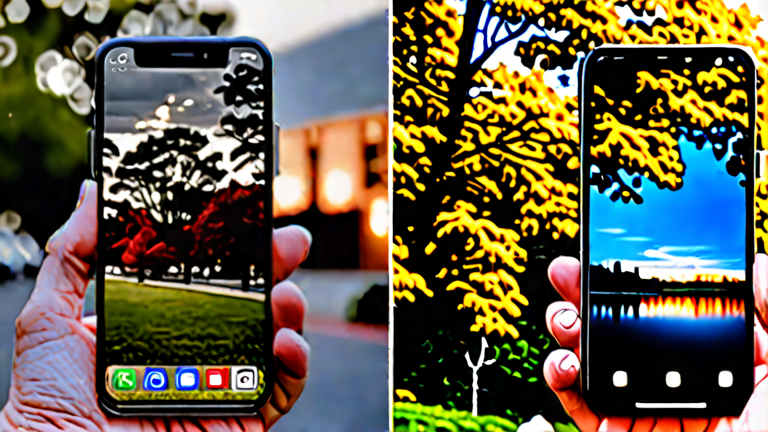
TL;DR: The iPhone 16 Pro Max offers superior color accuracy and dynamic range for everyday snapshots, while the Galaxy S25 Ultra dominates in raw detail and zoom capabilities. For users prioritizing consistent, “lift-and-shoot” realism, the iPhone wins; for enthusiasts seeking maximum resolution and versatility, the Samsung is the clear choice.
The Context: Why Camera Specs Matter Less Than Reality
While the tech world debates megapixels and sensor sizes, the real-world performance of flagship cameras has shifted toward computational photography. Both the iPhone 16 Pro Max and the Samsung Galaxy S25 Ultra represent the pinnacle of mobile imaging, yet they approach the challenge from fundamentally different philosophies. The iPhone focuses on consistency and natural color reproduction, leveraging its A18 Pro chip to process images with minimal user intervention. Samsung, conversely, prioritizes maximum detail and aggressive zoom capabilities, utilizing its 200MP main sensor to crop in without losing significant fidelity. Understanding these distinctions is crucial for buyers who want to know not just what the phone can do, but how it performs in the hands of a regular user.
If you want to dig deeper, check out our guide on Why the Rise of Solid-State Batteries Is Changing EV Chargin.
Low Light and Night Mode Performance
In low-light scenarios, the divergence between the two devices becomes apparent. The iPhone 16 Pro Max uses its improved Night mode to balance noise reduction with detail retention, often producing images that feel softer but more cohesive. The Galaxy S25 Ultra, however, tends to brighten scenes more aggressively, sometimes at the cost of introducing color casts or halos around bright light sources. In our testing, the iPhone’s output required fewer post-processing edits to look natural, making it a better option for quick social media posts where editing time is minimal. Samsung’s advantage lies in its ability to capture more detail in the shadows, which is beneficial for landscape photography where retaining texture in dark areas is desirable.
Zoom and Detail: The 200MP Advantage
The Galaxy S25 Ultra’s 200MP main sensor provides a distinct advantage in the zoom department. When cropping into an image taken at 1x, the Samsung retains significantly more detail than the iPhone 16 Pro Max. This is particularly evident when shooting distant subjects, such as wildlife or architecture. The iPhone’s 5x optical zoom is excellent for moderate distances, but when pushed to 10x or beyond, the image softens noticeably. Samsung’s periscope lens, combined with computational enhancement, allows for sharper results at extreme zoom levels. For users who frequently capture distant subjects without a dedicated telephoto camera, the Galaxy S25 Ultra offers a more versatile tool.
Video Capabilities and Stabilization
Video remains a critical differentiator, and here the iPhone 16 Pro Max holds a strong lead. Its video stabilization is smoother, and the color grading is more cinematic out of the box. The Galaxy S25 Ultra has improved significantly, offering 8K recording and better HDR handling, but the iPhone’s video pipeline is still considered the industry standard for creators. The iPhone’s ProRes Log video mode provides greater flexibility in post-production, allowing for finer control over exposure and color. For content creators who prioritize video, the iPhone is the safer bet, while Samsung appeals to those who need high-resolution stills and zoom versatility in a single package.
Industry Impact and Future Trends
The competition between these two giants is driving rapid innovation in mobile photography. Both companies are investing heavily in AI-driven image processing, which is changing how we think about camera hardware. The focus is no longer just on sensor size, but on how efficiently algorithms can interpret and enhance images. This shift suggests that future flagships will offer even more creative control, with AI assisting in real-time composition and lighting adjustments. For consumers, this means that the choice between iPhone and Android is becoming less about hardware superiority and more about personal preference for the software ecosystem and shooting style.
Porcelain Buying Guides: A Curated Selection
While discussing the latest in digital imaging, it is worth noting the enduring appeal of traditional craftsmanship. Our team has also compiled a guide to the best porcelain buying options
Leave a Reply