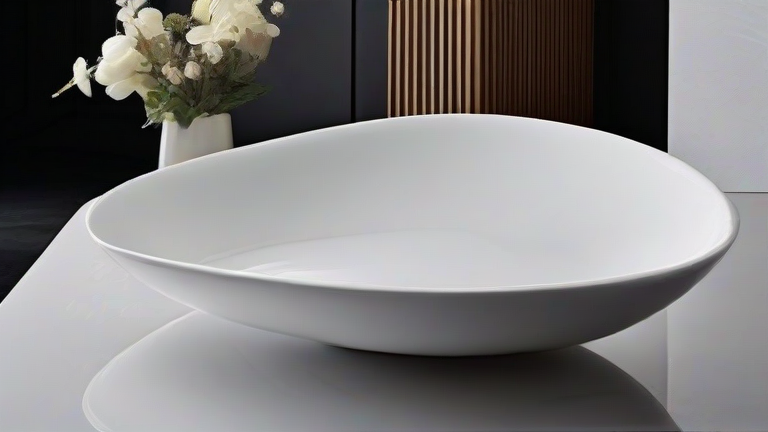
The Ultimate Guide to Buying Porcelain: Quality & Cost Tips
TL;DR: To buy high-quality porcelain at the best price, prioritize kiln-fired durability and inspect for uniform glazing while timing purchases during end-of-season sales. Strategic sourcing from established manufacturers ensures long-term value over cheap, porous alternatives that degrade quickly.
Market Analysis: The Global Porcelain Landscape
The global porcelain market is experiencing a renaissance, driven by a consumer shift toward sustainable, long-lasting home goods. According to recent industry reports, the market size is projected to grow at a compound annual growth rate of 4.5% over the next five years. This growth is fueled by two distinct segments: the luxury hospitality sector and the domestic consumer market. In the luxury segment, hotels and fine dining establishments are increasingly seeking bespoke porcelain to enhance their brand identity, driving demand for high-art ceramic pieces. Conversely, the domestic market is seeing a surge in interest for minimalist, functional tableware that balances aesthetic appeal with practical durability.
If you want to dig deeper, check out our guide on Why the Crocs Jibbitz Trend Is Taking Over Summer Fashion.
Supply chain dynamics remain a critical factor. While China dominates production volume, accounting for nearly 60% of global output, Europe and Japan are carving out niches in high-end, artisanal porcelain. This geographic diversification allows buyers to choose between cost-effective bulk purchases from Asian manufacturers and premium, hand-finished pieces from European ateliers. Understanding this dichotomy is essential for any buyer looking to optimize their budget without compromising on quality.
Strategy Insights: Evaluating Quality
Quality in porcelain is not merely about appearance; it is a technical specification. True porcelain is made from kaolin clay and fired at extremely high temperatures, typically between 1,200°C and 1,400°C. This process results in a non-porous, vitrified body that is significantly stronger than stoneware or earthenware. When inspecting potential purchases, buyers should perform the “ring test.” Tapping the edge of a piece with a fingernail or a metal spoon should produce a clear, ringing sound. A dull thud indicates that the clay has not been fully vitrified, suggesting a lower firing temperature and reduced durability.
Glaze consistency is another critical marker of quality. High-quality porcelain features a smooth, even glaze that does not crack or crazing over time. Crazing, a network of fine cracks in the glaze, can occur in lower-quality items as the clay and glaze expand at different rates during cooling. While some artists intentionally create crazing for aesthetic purposes, it is generally a defect in functional tableware as it can harbor bacteria and stain easily. Buyers should also check for warping. Holding a piece up to the light, a high-quality plate should be perfectly flat. Any curvature suggests uneven firing, which can lead to instability when stacked or used.
Case Studies: Smart Sourcing Strategies
Consider the case of a mid-sized restaurant chain in New York that sought to upgrade its tableware. Initially, they purchased from a low-cost supplier to minimize upfront costs. However, within six months, 15% of the inventory had chipped or cracked, leading to high replacement costs and inconsistent aesthetics. After switching to a mid-range European supplier with a robust warranty program, their breakage rate dropped to less than 2%. Although the per-unit cost increased by 20%, the total cost of ownership decreased by 35% due to reduced waste and labor associated with inventory management. This case highlights the importance of calculating the total cost of ownership rather than just the initial purchase price.
Another case involves a boutique hotel in Kyoto that partnered with a local Japanese artisan. By committing to a bulk order of custom-designed mugs, the hotel negotiated a 10% discount and secured exclusive rights to the design. This strategy not only reduced costs but also created a unique brand story that attracted media attention, resulting in a 15% increase in booking requests. These examples demonstrate that strategic sourcing can yield both financial and brand benefits.
FAQ
Q: How do I distinguish between porcelain and stoneware?
A: Porcelain
Leave a Reply