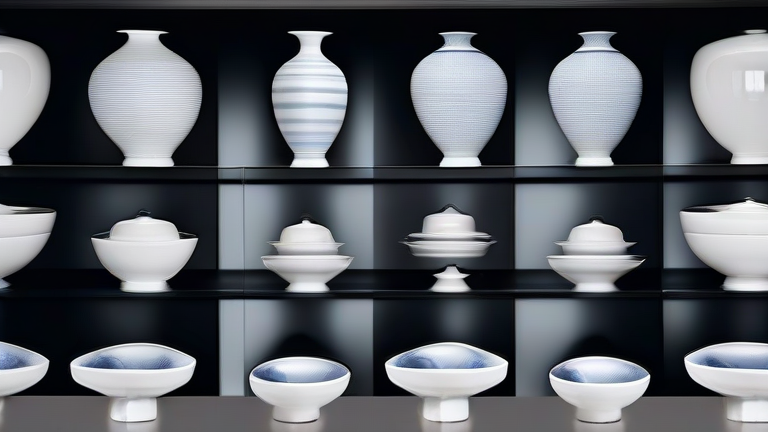
Porcelain Buying Guide: Expert Tips for First-Timers
TL;DR: Inspect porcelain for hairline cracks, uneven glazing, and structural integrity before purchasing to ensure longevity. Focus on reputable manufacturers and specific usage requirements to find the perfect balance between aesthetic appeal and functional durability.
Buying porcelain can be overwhelming for newcomers, but with the right knowledge, you can avoid costly mistakes. This guide provides essential steps to help you select high-quality pieces that will last for years. Whether you are furnishing a kitchen, decorating a living room, or collecting fine art, these tips will empower your decision-making process.
If you want to dig deeper, check out our guide on Porcelain Buying Guide: Tips for Choosing the Perfect Pieces.
Step 1: Assess Structural Integrity
Begin by examining the physical condition of the item. Hold the piece up to a bright light to check for hidden hairline cracks, which often appear in the rims or bases of plates and bowls. Tap the item gently with a finger; a clear, high-pitched ring indicates solid structure, while a dull thud may suggest internal damage or weak clay. Inspect the underside for any signs of crazing, which is a network of fine cracks in the glaze that can trap moisture and bacteria over time.
2: Evaluate Glaze Quality
The glaze is the protective coating that gives porcelain its shine and color. Run your fingers over the surface to ensure it feels smooth and consistent. Look for pinholes, where the glaze failed to cover the clay completely, or areas where the glaze runs unevenly. High-quality porcelain should have a uniform finish that is resistant to chipping. Avoid pieces with excessive gloss in specific spots, as this often indicates an uneven firing process that may lead to premature wear.
Step 3: Verify Manufacturer Reputation
Research the brand or maker before buying. Established manufacturers often adhere to stricter quality control standards, ensuring their products are microwave-safe, dishwasher-safe, and lead-free. Check for certification labels that confirm safety standards. Reading reviews from other buyers can provide valuable insights into how the product holds up under daily use. Do not rely solely on visual appeal; proven durability is a critical factor in long-term satisfaction.
Step 4: Match Usage to Material
Consider how you intend to use the porcelain. Fine china is delicate and best reserved for special occasions, while stoneware porcelain is more robust and suitable for everyday dining. If you plan to use the items in a microwave or dishwasher, verify that the manufacturer explicitly states compatibility. Some decorative pieces contain metallic accents or specific glazes that are not safe for these appliances, leading to potential damage or safety hazards.
Step 5: Budget and Value Analysis
Set a realistic budget that accounts for potential replacement costs. While inexpensive porcelain may seem appealing, it often lacks the durability of mid-range or premium options. Calculate the cost per use to determine true value. Investing in higher-quality porcelain may cost more upfront but can save money in the long run by reducing the frequency of replacements. Always compare prices across different retailers to ensure you are getting the best deal without compromising on quality.
FAQ
Q: How can I tell if porcelain is authentic?
A: Look for a translucent quality when held against light, a high firing temperature mark, and a solid, resonant sound when tapped. Authentic porcelain is denser and harder than standard ceramic.
Q: Is all porcelain microwave-safe?
A: No, not all porcelain is microwave-safe. Items with metallic decorations, certain glazes, or those explicitly labeled as not microwave-safe should be avoided in the microwave to prevent damage or fire hazards.
Q: What is the best way to care for new porcelain?
A: Hand washing is recommended for the first few uses to allow the glaze to settle. Avoid thermal shock by not moving pieces from extreme heat to extreme cold, and stack items with protective padding to prevent chipping.
Leave a Reply