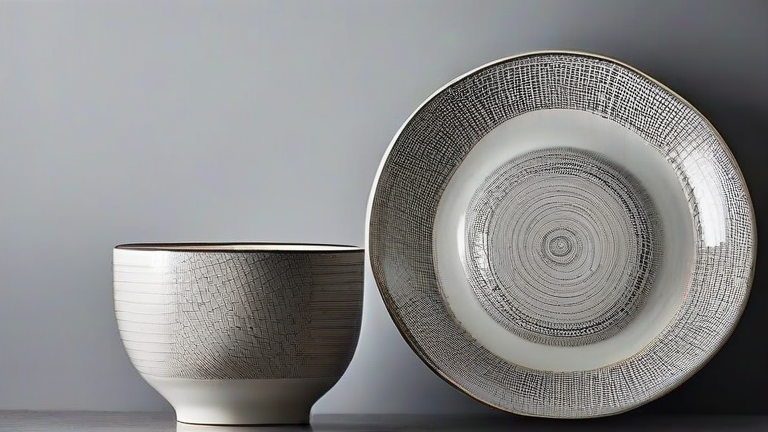
Porcelain Buying Guide: How to Choose Quality Pieces
TL;DR: Select fine porcelain by checking for a pure white, translucent body and a smooth, glass-like glaze that feels cool to the touch. Verify the manufacturer’s reputation and ensure the piece rings with a clear, high-pitched tone when gently tapped.
Buying high-quality porcelain requires attention to detail, as the material’s value lies in its durability, aesthetic refinement, and craftsmanship. Whether you are acquiring a single decorative vase or a complete dinner service, understanding the nuances of production helps you avoid common pitfalls and invest in pieces that last generations. This guide outlines the essential steps to evaluate porcelain effectively before making a purchase.
If you want to dig deeper, check out our guide on Why the Crocs Clog Trend Is Reshaping Comfort Footwear.
Assess the Body and Translucency
Hold the piece up to a light source. High-quality bone or hard-paste porcelain should exhibit a subtle translucency, allowing light to pass through the thinner edges. If the material appears opaque or chalky, it is likely standard ceramic or lower-grade porcelain. Additionally, inspect the weight. True porcelain is surprisingly light for its size due to its dense, vitrified structure. If a piece feels heavy or porous, it may contain excessive clay content, reducing its longevity and elegance.
Examine the Glaze and Surface
Run your finger gently across the surface. The glaze should feel seamless, smooth, and glass-like, with no rough spots, bumps, or scratches. Check for pinholes, which are small air bubbles that create tiny indentations in the glaze. While minor imperfections can occur in handmade items, excessive pinholing indicates poor firing techniques. Also, look for crazing, which appears as a web of fine cracks in the glaze. Crazing is a sign of thermal shock or low-quality materials and will worsen over time, potentially allowing stains to penetrate the body.
Check the Base and Markings
Turn the piece over to inspect the foot or base. A well-made porcelain item will have a clean, even rim without jagged edges or excess glaze buildup. Look for manufacturer stamps, dates, and origin markings. Reputable brands often include specific codes that denote the quality grade and production date. Research these markings online to verify authenticity. Be wary of pieces with unmarked bases or generic stamps, as these are often mass-produced imitations lacking the structural integrity of genuine fine porcelain.
Test the Sound
Gently tap the side of the item with a fingernail or a small metal utensil. High-quality porcelain produces a clear, ringing tone that sustains for a moment. A dull thud indicates that the material is not fully vitrified or is too thick and dense, which often correlates with lower quality. This acoustic test is a quick, non-destructive way to gauge the material’s purity and firing quality.
Consider the Intended Use
Determine how you plan to use the piece. If it is for daily dining, ensure it is microwave and dishwasher safe, as stated by the manufacturer. Decorative pieces may not withstand thermal shock. Always prioritize functionality if the item will be used regularly. For investment pieces, focus on artistic value, limited editions, or historical significance. Keep your purchase in a safe place, away from direct sunlight, to preserve the glaze’s integrity and color vibrancy.
FAQ
Q: How can I tell if porcelain is authentic?
A: Check for translucency, a glass-like glaze, a light weight, and a clear ringing tone when tapped. Authentic pieces usually bear reputable manufacturer marks on the base.
Q: Is bone china better than hard porcelain?
A: Bone china is generally more durable, translucent, and resistant to chipping due to its bone ash content, making it a premium choice for fine dining and collectibles.
Q: How should I store porcelain pieces?
A: Store them in padded boxes or on stable shelves away from direct sunlight and extreme temperature changes to prevent
Leave a Reply