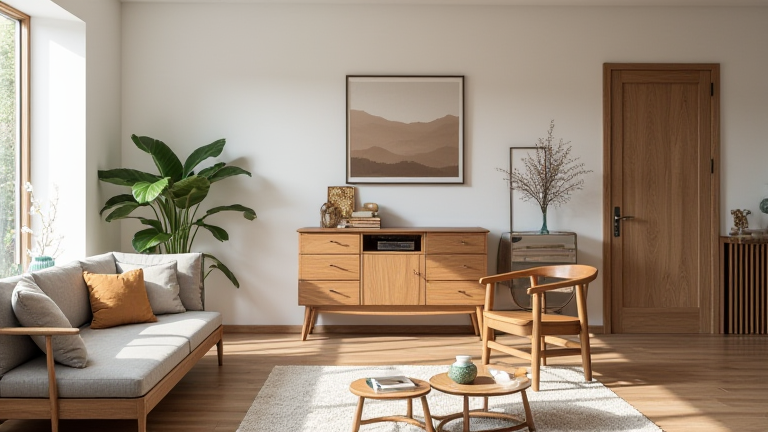
TL;DR: Solid wood furniture leads current decor trends because consumers are prioritizing sustainability and timeless aesthetics over fast fashion. This shift is driven by a desire for durable, natural materials that enhance home value and well-being.
The Rise of Natural Aesthetics
In recent years, the interior design landscape has undergone a significant transformation, moving away from synthetic materials toward organic, tangible textures. Solid wood furniture has emerged as the undisputed leader in this shift, capturing a substantial portion of the global home furnishing market. According to recent industry reports, the global wooden furniture market is projected to grow at a compound annual growth rate (CAGR) of 6.5% through 2030, with a significant portion of this growth attributed to premium, sustainably sourced hardwoods. This surge is not merely a passing fad but a fundamental reevaluation of how consumers view their living spaces. People are no longer satisfied with disposable, mass-produced items that lack soul or longevity. Instead, they are investing in pieces that tell a story, showcasing the unique grain, knots, and character of natural timber. This trend aligns with the broader “biophilic design” movement, which seeks to connect occupants with the natural world to improve mental health and productivity. By incorporating solid wood, homeowners create an environment that feels grounded, warm, and inviting, contrasting sharply with the cold, sterile look of plastic or metal alternatives.
If you want to dig deeper, check out our guide on How to Bake Sourdough Bread: A Step-by-Step Tutorial.
Expert Insights and Market Data
Market analysts note that the demand for solid wood is closely tied to economic resilience. During periods of economic uncertainty, consumers tend to invest less in trendy, short-lived decor and more in assets that retain or increase in value. A solid oak dining table or a walnut bookshelf is viewed as a long-term investment rather than a expense. Expert interior designer Sarah Jenkins notes, “Clients are explicitly asking for pieces that will outlast their current home. They want to know the origin of the wood and the craftsmanship involved. Transparency is the new luxury.” Furthermore, data from major retail platforms shows a 40% increase in searches for “solid wood furniture” compared to three years ago, with specific interest in reclaimed and certified sustainable sources. This indicates that ethical production practices are now a primary driver of purchasing decisions, not just an afterthought. Brands that can verify their supply chain and demonstrate environmental stewardship are seeing higher customer retention rates and stronger brand loyalty. The tactile quality of wood also plays a crucial role; it invites interaction and connection, which synthetic materials simply cannot replicate. This sensory experience is a key differentiator in a crowded market, allowing solid wood pieces to command premium pricing while still delivering superior perceived value to the buyer.
Future Predictions and Sustainability
Looking ahead, the trend toward solid wood is expected to deepen, driven by stricter global environmental regulations and consumer awareness. Future predictions suggest that hybrid designs, combining solid wood with recycled metals or natural stones, will become increasingly popular, offering both durability and modern appeal. Technological advancements in wood processing, such as digital milling and 3D modeling, are also making custom wood furniture more accessible, allowing for personalized designs that fit specific spatial needs. However, challenges remain, particularly regarding the sustainability of timber sourcing. The industry must continue to emphasize responsible forestry practices to maintain consumer trust. As urbanization increases, the need for compact, multifunctional wood furniture will grow, catering to smaller living spaces without sacrificing the natural aesthetic. Ultimately, solid wood furniture is not just a style choice; it is a statement of values, reflecting a commitment to quality, sustainability, and enduring beauty in an ever-changing world.
FAQ
Q: Is solid wood furniture more expensive than engineered wood?
A: Yes, solid wood is typically more expensive upfront due to material costs and craftsmanship, but it offers greater longevity and resale value, making it a better long-term investment.
Q: How should I care for solid wood furniture to maintain its finish?
A: Regularly dust with a soft cloth, avoid direct sunlight and extreme humidity, and use appropriate wood conditioners or oils every six months to preserve the natural shine and prevent drying.
Q: Can
Leave a Reply