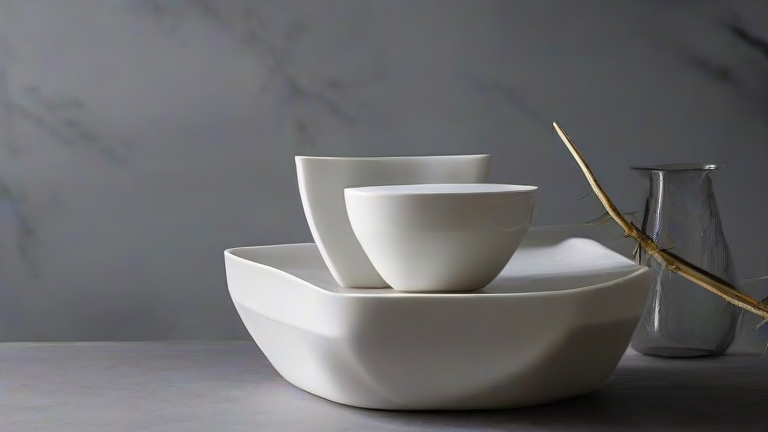
TL;DR: To master your lifestyle through porcelain, prioritize high-fired bone china for durability and aesthetic refinement. Select pieces that align with your specific dining habits and interior design aesthetic to elevate every meal into a curated cultural experience.
The Art of Selecting Porcelain for a Refined Life
Porcelain is more than just tableware; it is a vessel for memory, culture, and daily ritual. In the modern lifestyle, the choice of dinnerware reflects our personal values, travel experiences, and culinary preferences. Whether you are a seasoned gourmet or a casual home cook, understanding the nuances of porcelain buying guides is essential for curating a home that feels both functional and spiritually satisfying. This guide explores how to select pieces that transcend mere utility, transforming your dining space into a sanctuary of elegance and personal growth.
Understanding the Material: Bone China vs. Standard Porcelain
The foundation of any great porcelain collection lies in understanding the material itself. Bone china, derived from bone ash, offers superior translucency and strength compared to standard porcelain. For those who value longevity and a lighter touch, bone china is the ideal choice. It resonates with a higher musical tone when tapped, a subtle indicator of its high-fired quality. If your lifestyle involves frequent entertaining or a preference for delicate, intricate patterns, investing in bone china is a decision that pays dividends in both durability and visual appeal. Conversely, standard porcelain may be more affordable and heavier, offering a robust feel that some traditionalists prefer. Consider your primary use case: if you prioritize portability for travel or casual outdoor dining, the lighter weight of bone china becomes a significant advantage.
Aligning Patterns with Personal Aesthetics
Your porcelain should mirror your personal style and cultural interests. Are you drawn to the minimalist lines of Scandinavian design, or do you prefer the ornate, hand-painted details of traditional Chinese ceramics? Each style tells a story. For instance, a collection of hand-thrown, imperfect pieces can foster a sense of wabi-sabi, encouraging mindfulness and appreciation for the imperfect. On the other hand, a uniform set of modern, geometric plates can create a sense of order and clarity in a busy household. When browsing buying guides, look for collections that offer versatility. A neutral palette with occasional accent pieces allows for flexibility, enabling you to mix and match based on the occasion or mood. This approach not only maximizes the utility of your collection but also encourages creative expression in how you present your food.
Care and Sustainability in Modern Dining
True lifestyle mastery includes caring for your possessions. High-quality porcelain is generally dishwasher safe, but hand washing can preserve glazes and prevent micro-abrasions over time. Additionally, consider the sustainability of your purchase. Look for brands that use eco-friendly glazes and sustainable manufacturing practices. Supporting artisans who use local materials or recycled bone ash can align your purchases with broader environmental values. By choosing durable, well-made pieces, you reduce waste and contribute to a more conscious lifestyle. The act of caring for your porcelain becomes a meditative practice, reinforcing a deeper connection to the objects that surround you.
FAQ
Q: Is bone china more durable than regular porcelain?
A: Yes, bone china is generally stronger and more chip-resistant due to its high bone ash content and high-temperature firing process.
Q: How should I store my porcelain to prevent damage?
A: Store pieces vertically in dish racks or use dividers to prevent stacking, which can cause chips on rims and edges.
Q: Can I use antique porcelain for daily use?
A: It is best to limit daily use of antique pieces to avoid wear, using them for special occasions to preserve their value and condition.
Leave a Reply