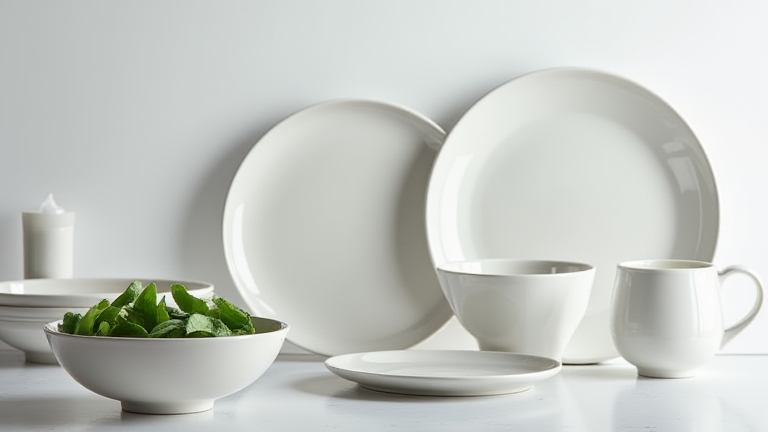
**Porcelain Dinnerware Safety: A Healthy Buying Guide**
TL;DR: High-quality, lead-free porcelain is a safe and non-toxic choice for your kitchen because it is vitrified at high temperatures, ensuring no harmful leachates. Always look for “lead-free” and “cadmium-free” certifications on packaging to guarantee your family’s safety.
The Science of Vitrification
When selecting dinnerware, understanding the material’s composition is paramount. Porcelain differs significantly from standard earthenware or stoneware due to its manufacturing process. True porcelain is a hard-paste ceramic made from kaolin clay, feldspar, and silica. The key to its safety lies in vitrification. During firing, which occurs at temperatures exceeding 1,200°C, the clay particles fuse into a dense, glass-like structure. This process eliminates porosity, meaning the material does not absorb liquids or bacteria. Consequently, unlike lower-grade ceramics that may contain porous glazes capable of harboring microbes or leaching heavy metals into acidic foods, high-fired porcelain remains chemically inert. This scientific density ensures that even if the glaze contains trace minerals, they are locked within the glass matrix, preventing migration into your food.
Identifying Safe Porcelain
Not all white dishes are created equal. To ensure you are buying safe porcelain, scrutinize the product labels. Look for explicit statements such as “lead-free,” “cadmium-free,” or “compliant with FDA standards.” In the United States, the Food and Drug Administration (FDA) regulates the amount of heavy metals that can leach from ceramic cookware. However, regulations can vary by country, so international brands should be checked against local safety standards. Avoid dishes with bright, colorful underglaze designs unless they are explicitly certified as safe, as these are the most likely sources of lead or cadmium. Solid white or simple pastel porcelain is generally the safest bet. Additionally, check the bottom of the plate. High-quality porcelain often features a smooth, unglazed foot ring or a specific brand mark indicating its firing temperature. If a dish feels lightweight and rings with a clear, musical tone when tapped, it is likely a high-fired, durable porcelain, as opposed to the dull thud of earthenware.
Lifestyle Tips for Longevity and Safety
Even the safest porcelain requires proper care to maintain its integrity. Thermal shock is the primary enemy of fine porcelain. Avoid moving a cold plate directly from the refrigerator to a hot oven or dishwasher. Always allow dishes to reach room temperature before subjecting them to extreme heat changes. While many modern porcelain sets are dishwasher safe, hand washing with a soft sponge and mild detergent is recommended to preserve the glaze finish. Avoid using abrasive scrubbers or harsh acidic cleaners like bleach, which can etch the surface over time, potentially compromising the glaze barrier. If you notice any chips or cracks, retire the piece immediately. Cracks can harbor bacteria and may allow any microscopic trace elements in the glaze to leach into food. Regularly inspect your collection during cleanup to catch minor damage early.
Why Porcelain Over Alternatives?
Compared to plastic, porcelain is free from BPA, phthalates, and other plasticizers that can migrate into food, especially when heated. Compared to reactive stoneware, which may alter the taste of acidic dishes like tomato sauce, porcelain remains neutral. This neutrality makes it ideal for sensitive stomachs and for serving a wide variety of foods without altering their nutritional profile or flavor. Investing in a set of certified safe porcelain plates is a long-term health investment that reduces exposure to environmental toxins in your daily meals.
FAQ
Q: Is all white porcelain safe to eat from?
A: No, not all white porcelain is safe. Some lower-quality ceramics may use glazes containing lead or cadmium. Always verify that the product is labeled “lead-free” and compliant with food safety standards like FDA or LFGB.
If you want to dig deeper, check out our guide on Porcelain Buying Guide: How to Choose Quality Porcelain.
Q: Can I put porcelain in the microwave?
A: Yes, most pure porcelain is microwave safe because it is non-porous and does not contain metal components. However, avoid dishes
Leave a Reply