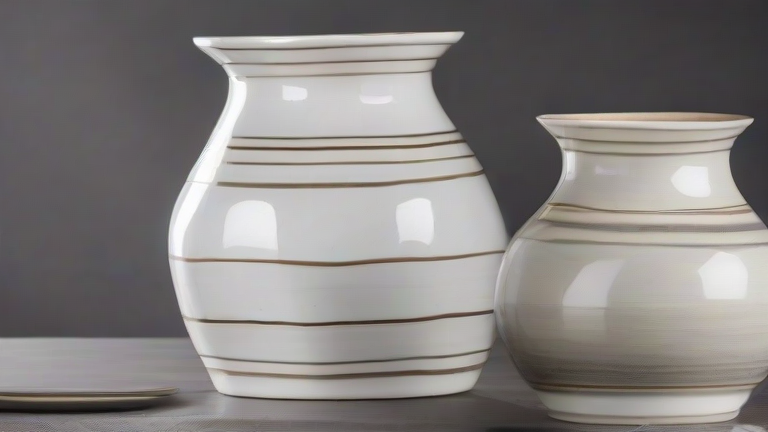
TL;DR: Buy porcelain by checking translucency, ring clarity, and lead-free certification—not just brand names. Prioritize versatile, dishwasher-safe pieces that fit your daily rituals, and let local artisans guide you toward pieces with authentic cultural soul.
The Art of the Table: Porcelain as a Lifestyle Lens
Porcelain is more than dinnerware; it is a travel diary, a cultural handshake, and a quiet rebellion against mass-produced plastic. When I bought my first hand-painted teacup in a Jingdezhen alley, the potter pressed it to my palm and said, “Listen—if it sings, it’s alive.” That moment changed how I set my table. For the modern home, porcelain bridges the gap between everyday utility and heirloom beauty. The key is knowing what to feel for, not just what to look at.
If you want to dig deeper, check out our guide on How the Quiet Luxury Trend is Reshaping the High-End Leather.
Five Buying Rules for Elegant, Everyday Use
1. The Translucency Test: Hold a plate against a bright window. Fine porcelain (hard-paste) lets light pass through your fingers like a ghost. If it’s opaque, it’s likely stoneware or low-fired ceramic—pretty but heavier and less refined.
2. The Ring of Truth: Gently tap the rim with a fingernail. A high, clear, bell-like tone means high quartz content and proper firing at 1300°C+. A dull thud? Skip it. You want pieces that resonate with your morning coffee ritual, not clunk.
3. Lead-Free is Non-Negotiable: For food surfaces, insist on certified lead-free glaze. Many vintage or imported pieces contain lead, which leaches into acidic foods like tomato sauce or citrus. Check for “food safe” or “FDA compliant” labels—or buy from transparent artisan studios.
4. Match Your Lifestyle, Not a Magazine: If you eat on the couch, choose unglazed foot rims that won’t scratch wood. If you host dinner parties, buy stackable, microwave-safe bowls. Porcelain should adapt to your chaos, not demand white-glove handling.
5. Buy Local, Think Global: Seek out studio potters at farmers’ markets or online (Etsy, local guilds). Their pieces carry the region’s clay, glaze chemistry, and history. A Portuguese blue-and-white plate tells a story of maritime trade; a Japanese celadon cup whispers about tea ceremonies. These narratives enrich your meals.
Cultural & Travel Angles: Porcelain as Souvenir
When traveling, avoid airport “bone china” knockoffs. Instead, visit a ceramic district—like Limoges (France), Delft (Netherlands), or Hasami (Japan). Ask for “seconds” (minor glaze flaws) at factory outlets; you’ll save 50% and gain character. For personal growth, start a “one piece per trip” rule. Each cup or platter becomes a tactile memory—the espresso crackle from Rome, the matte finish from Oaxaca. Over time, your shelf becomes a map of your life.
FAQ
Q: How can I tell if a porcelain piece is bone china vs. hard-paste?
A: Bone china contains 25–30% bone ash, making it more translucent and whiter, but slightly less durable. Hard-paste (true porcelain) has no bone ash, is more scratch-resistant, and rings longer. Hold both to light—bone china glows warmer, hard-paste looks colder and bluer.
Q: Is it safe to put handmade porcelain in the dishwasher?
A: Yes, if the glaze is lead-free and fired above 1200°C. However, hand-painted overglaze designs (gold, luster) will fade. To preserve artisan work, wash those by hand with mild soap. For daily stoneware-style porcelain, dishwasher is fine—just avoid abrasive cycles.
Q: What’s the best budget
Leave a Reply