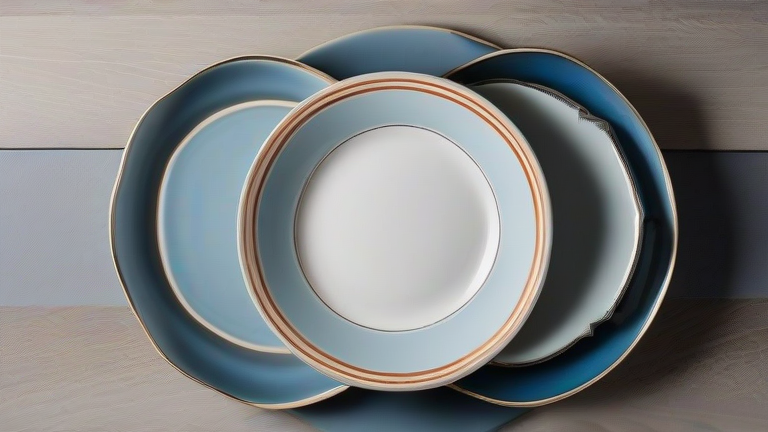
Porcelain Buying Guide: How to Choose the Right Tableware
TL;DR: Select high-quality porcelain by checking for a dense, white body and a high-fired glaze that resists chipping. Prioritize brands that guarantee microwave and dishwasher safety for long-term durability and ease of maintenance.
Choosing the right tableware is more than just picking a color that matches your kitchen decor. It is about investing in pieces that will withstand daily use, frequent washing, and the occasional mishap without losing their elegance. Porcelain remains the gold standard for fine dining because of its strength, translucency, and sophisticated aesthetic. However, not all porcelain is created equal. Understanding the nuances of manufacturing and material composition is essential for making a smart purchase that offers both beauty and functionality for years to come.
If you want to dig deeper, check out our guide on Porcelain Buying Guide: How to Choose the Perfect Vase.
Key Feature Highlights
When evaluating porcelain sets, look for “fine” or “hard” porcelain, which contains a higher percentage of kaolin clay. This results in a denser, stronger material that is less porous than bone china or soft porcelain. The density is crucial because it reduces the absorption of liquids and odors, ensuring your plates remain pristine after washing. Additionally, inspect the glaze quality. A superior glaze should be smooth, glossy, and free of pinholes. It should feel cool to the touch and provide a slight resistance when you run your finger across the surface, indicating a thick, protective layer that prevents cracking and staining over time.
Comparing Popular Options
Comparing standard ceramic porcelain with premium hard-paste porcelain reveals significant differences in longevity. Standard options may be more affordable but are often more prone to chipping along the rims, which is the most vulnerable area. Premium hard-paste porcelain, while often costing twenty to thirty percent more, offers superior tensile strength. For families who entertain frequently, investing in a complete set of hard-paste porcelain is a wise decision. It allows for consistent presentation during large gatherings and ensures that every guest receives an identical, high-quality experience. Furthermore, compare the weight of the pieces. Heavier plates generally indicate a thicker gauge of material, which translates to greater durability, though they may require more careful handling to avoid accidental damage during stacking.
Why Durability Matters
Tableware is subjected to rigorous cycles of heat, moisture, and mechanical stress. A reliable porcelain set must be explicitly rated for microwave and dishwasher use. Always check the manufacturer’s specifications before buying. Some delicate patterns or hand-painted designs may not withstand high-heat cycles, leading to fading or peeling. By choosing durable, machine-safe porcelain, you save time on maintenance and preserve the aesthetic value of your collection. This practicality ensures that your tableware remains a source of joy rather than a chore, allowing you to focus on the food and the company rather than the care of the dishes.
Ready to elevate your dining experience? Explore our curated collection of premium porcelain sets today. Find the perfect balance of elegance and durability that fits your lifestyle and budget. Visit our online store to browse exclusive styles and secure your order with free shipping. Transform your everyday meals into special occasions with tableware that stands the test of time.
FAQ
Q: Is porcelain more durable than stoneware?
A: Yes, porcelain is generally more durable because it is fired at higher temperatures, making it denser and less porous than stoneware.
Q: Can I use metal utensils on porcelain plates?
A: You can, but it is recommended to use wooden or plastic utensils to avoid scratching the delicate glaze surface over time.
Q: How do I remove stains from white porcelain?
A: Soak the stained area in a mixture of water and baking soda for several hours, then scrub gently with a non-abrasive sponge and rinse thoroughly.
Leave a Reply