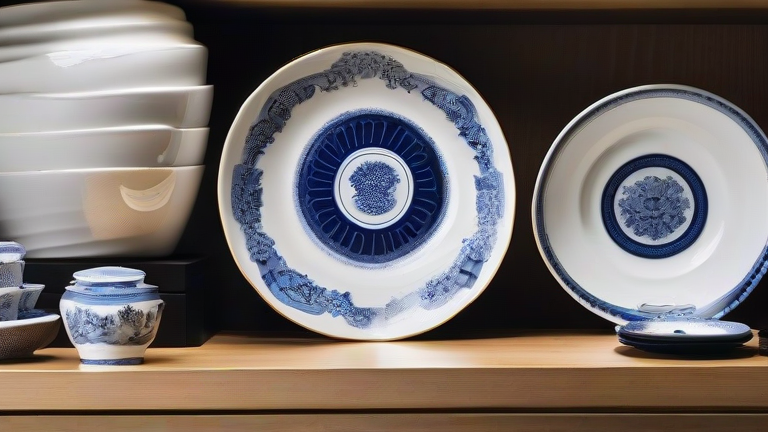
Porcelain Buying Guide: How to Choose the Perfect Piece
TL;DR: Select high-quality porcelain by examining the body for density and uniformity, ensuring the glaze is smooth without defects, and verifying the brand’s reputation for thermal shock resistance. Prioritize pieces that match your specific kitchen needs, whether for daily dining or formal entertaining, to ensure longevity and aesthetic satisfaction.
Step 1: Assess the Porcelain Type
Before purchasing, understand the different grades of porcelain available on the market. Standard bone china is highly valued for its translucency and strength, making it ideal for formal settings. Fine porcelain offers a slightly more opaque finish but remains durable and elegant. For casual daily use, standard porcelain is a cost-effective option that still provides a sophisticated look. Determine which type aligns with your lifestyle and budget. If you plan to use the pieces in a dishwasher frequently, ensure the manufacturer confirms dishwasher safety, as some delicate glazes may degrade over time. Research the specific composition of the material, as higher percentages of feldspar and quartz can indicate better durability and heat resistance. This initial assessment helps narrow down your options significantly before you begin evaluating individual pieces.
If you want to dig deeper, check out our guide on Why the Rise of Cold Brew is Redefining Home Coffee.
Step 2: Inspect for Physical Defects
When shopping in person, carefully inspect each piece under bright, neutral lighting. Look for any visible chips, cracks, or stress lines in the body of the plate or bowl. Run your fingers along the rim and the underside of the piece to detect any roughness or uneven glazing. The glaze should be smooth, glossy, and free from bubbles or pinholes. Check the base of the item to ensure it is flat and stable; a wobbly base can be dangerous and unsightly on a table. Additionally, verify that the color is consistent throughout the piece. Inconsistent coloring might indicate poor firing techniques or low-quality materials. If you are buying online, read detailed customer reviews that specifically mention the condition of the product upon arrival, as photos can sometimes hide minor imperfections.
Step 3: Evaluate Practical Functionality
Consider how the porcelain will be used in your daily routine. For families with young children, choose patterns that are stain-resistant and colors that are not too light, as white porcelain shows every smudge. If you are an avid cook, consider the weight and thickness of the plates. Thicker porcelain is generally more resistant to breakage but may be heavier to carry. Ensure the size of the plates is appropriate for the types of food you typically serve. For instance, larger dinner plates are better suited for elaborate meals, while smaller side plates work well for salads and appetizers. Also, think about storage space. If you have limited cabinet space, consider stacking heights and the overall dimensions of the set. Some porcelain sets come with coordinating bowls, saucers, and platters, so ensure you have enough space to store all components neatly without overcrowding your kitchen cabinets.
Tips for Long-Term Care
To maintain the beauty of your new porcelain, wash them gently with warm water and mild detergent. Avoid using abrasive scouring pads, as these can scratch the glaze and dull the finish. If you notice any small chips, address them immediately by removing the piece from rotation to prevent further damage. Proper care will ensure that your investment remains pristine for years to come, providing both functional utility and aesthetic pleasure in your dining experience.
FAQ
Q: Is bone china better than standard porcelain?
A: Bone china is generally stronger and more translucent than standard porcelain, making it a premium choice for formal occasions, though standard porcelain is more affordable and suitable for everyday use.
Q: How do I clean stained porcelain plates?
A: Soak stained plates in warm, soapy water for several hours, then use a soft sponge to gently scrub the area; for persistent stains, a paste of baking soda and water can be effective.
Q: Can I microwave food in any porcelain dish?
A: Not all porcelain is microwave-safe; check for a specific microwave-safe
Leave a Reply