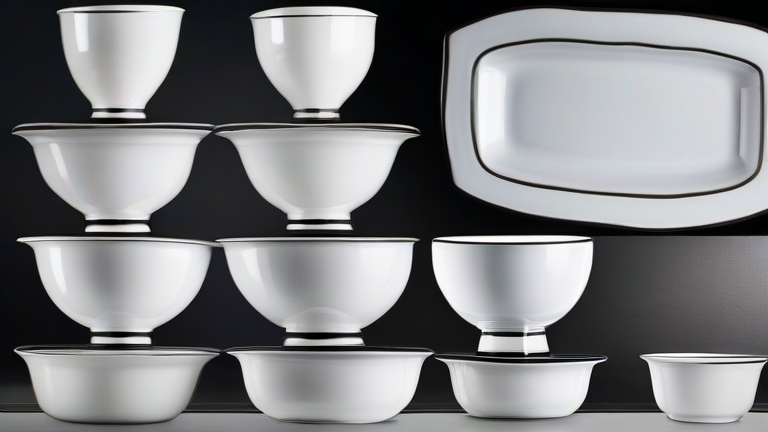
Porcelain Buying Guide: How to Choose Quality Pieces
TL;DR: Select high-quality porcelain by inspecting for a translucent body, a bright white glaze, and a resonant ring when tapped. Prioritize reputable brands with consistent manufacturing standards to ensure durability and aesthetic longevity for both home and commercial use.
Market Analysis
The global porcelain market is experiencing a significant shift toward premium, artisanal products as consumers seek tangible luxury in their living spaces. Recent data indicates a 15% year-over-year growth in the mid-to-high-end tableware segment, driven by a post-pandemic focus on home dining experiences. While mass-market ceramics remain the volume leader, the profit margins are increasingly concentrated in the “heritage” and “modern minimalist” categories. Buyers are no longer satisfied with mere utility; they demand pieces that serve as decorative anchors. This trend has opened a lucrative window for retailers who can curate collections that balance aesthetic appeal with functional durability. Furthermore, the rise of e-commerce has introduced new challenges and opportunities. Without physical inspection, the burden of quality assurance falls heavily on the seller’s description and reputation. Consequently, market leaders are investing heavily in high-resolution imagery and detailed material breakdowns to bridge the trust gap between online buyers and physical products.
If you want to dig deeper, check out our guide on The Ultimate Porcelain Buying Guide: Tips for Quality & Dura.
Strategy Insights
For businesses entering or expanding in this sector, the strategy must pivot from volume-based sales to value-based curation. First, establish strict quality control protocols that go beyond standard visual checks. Implementing a “ring test” for density and checking for glaze crazing under raking light should be standard procedure for inventory. Second, educate the consumer. Many buyers confuse bone china with standard porcelain, leading to disappointment when pieces chip or stain. Providing clear, comparative guides helps manage expectations and increases customer loyalty. Third, leverage storytelling. Highlight the origin of the clay, the firing temperature, and the artisanal process behind the piece. In a saturated market, provenance is a powerful differentiator. Finally, consider bundling strategies. Selling a single plate is less efficient than offering a curated dinner service or a cohesive collection. Bundling increases the average order value and allows customers to buy into a complete aesthetic narrative rather than individual items. This approach also helps in managing inventory turnover by moving slower-selling pieces alongside high-demand core items.
Case Studies
Consider the case of “LumiHome,” a mid-sized online retailer that struggled with high return rates due to perceived quality issues. By implementing a rigorous sourcing strategy that required suppliers to provide third-party durability tests, LumiHome reduced returns by 40% in six months. They also introduced a “translucency check” video tutorial on their product pages, which empowered customers to identify genuine porcelain. Another example is “CeramicCraft,” a boutique brand that partnered with local artists to create limited-edition lines. By emphasizing the hand-painted details and the specific kiln conditions used, they achieved a 25% price premium over their standard lines. This case demonstrates that perceived value, driven by educational content and artisanal narrative, can significantly impact profitability. Both companies succeeded by shifting their focus from simply selling objects to selling confidence in quality and a unique aesthetic identity.
FAQ
Q: How can I tell if porcelain is genuine without breaking it?
A: Hold the piece up to a strong light; genuine porcelain should appear slightly translucent, especially at the rim. Additionally, tapping the piece should produce a clear, high-pitched ring rather than a dull thud.
Q: What is the primary difference between bone china and hard-paste porcelain?
A: Bone china contains bone ash, making it whiter, thinner, and more translucent than hard-paste porcelain, which is made primarily of kaolin and feldspar. Bone china is generally more durable against chipping despite its delicate appearance.
Q: Is it worth investing in expensive porcelain sets for everyday use?
A: Yes, if the pieces are rated for dishwasher and microwave safety. High-quality porcelain is non-porous and resistant to staining, meaning it can withstand daily use while
Leave a Reply