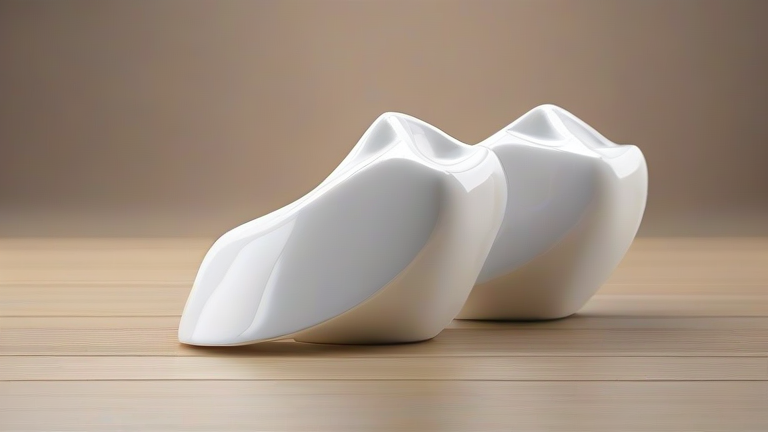
Porcelain Buying Guide: Health Tips for Safe Dental Crowns
TL;DR: Prioritize high-quality, biocompatible porcelain materials certified by ISO standards to minimize the risk of allergic reactions and ensure long-term structural integrity. Always consult with a board-certified dentist who uses digital scanning technology to guarantee precise fitment, reducing the likelihood of secondary decay and gum irritation.
Selecting the right dental crown is a significant investment in your oral health and overall well-being. While porcelain crowns are renowned for their aesthetic appeal, mimicking the natural translucency of teeth, not all porcelain materials are created equal. Understanding the nuances of material science is crucial for any patient seeking a durable and safe solution. The primary health concern with inferior porcelain products is the presence of harmful additives or poor firing techniques, which can lead to micro-fractures. These microscopic cracks can harbor bacteria, leading to chronic gum inflammation and potential systemic health issues if left untreated. Therefore, a thorough buying guide must focus on material purity and manufacturing standards.
If you want to dig deeper, check out our guide on Porcelain Buying Guide: 7 Health-Safe Tips for Your Kitchen.
Material Purity and Biocompatibility
When evaluating porcelain options, look for zirconia-reinforced lithium disilicate or high-alumina ceramics. These materials offer superior strength and are highly biocompatible, meaning they are less likely to cause adverse tissue reactions. Avoid generic, unbranded porcelain units that lack clear provenance. Reputable dental laboratories adhere to strict quality control protocols, ensuring that the final product is free from contaminants. Additionally, ask about the glaze application process. A well-applied glaze provides a smooth surface that resists plaque accumulation, which is vital for maintaining periodontal health. Rough surfaces can trap food particles and bacteria, increasing the risk of gingivitis and periodontitis. Thus, the smoothness of the porcelain surface is not just an aesthetic feature but a critical health factor.
Fit, Function, and Lifestyle Considerations
The fit of the crown is paramount to its success. Modern digital dentistry allows for CAD/CAM fabrication, which ensures a more accurate margin seal than traditional hand-crafted methods. A poor fit can lead to leakage, allowing bacteria to infiltrate the tooth structure beneath the crown, causing decay. This is often referred to as recurrent decay. To mitigate this risk, choose a provider who utilizes intraoral scanners and high-resolution imaging. Furthermore, consider your lifestyle. If you grind your teeth at night, or have bruxism, you may need a crown made from a stronger ceramic variant or a protective night guard. Ignoring this factor can lead to crown fracture, requiring costly replacements and potentially damaging the underlying tooth structure. Regular dental check-ups are essential to monitor the integrity of the porcelain crown and ensure that the surrounding gums remain healthy.
Long-Term Maintenance and Care
Proper maintenance extends the lifespan of your porcelain crown. Use a soft-bristled toothbrush and non-abrasive toothpaste to avoid wearing down the glaze. Avoid using your crowned teeth to open packages or bite on hard objects, as porcelain, while strong, is brittle under excessive force. Flossing daily is non-negotiable to prevent plaque buildup at the gumline. By following these science-backed tips and selecting high-quality materials, you can ensure that your dental crown serves as a lasting, healthy addition to your smile. Prioritize quality over cost when purchasing, as the long-term health benefits far outweigh the initial expense.
FAQ
Q: What is the healthiest type of porcelain for dental crowns?
A: Zirconia-reinforced lithium disilicate is considered one of the healthiest options due to its high biocompatibility, strength, and lack of harmful additives.
Q: How does the fit of a porcelain crown affect my overall health?
A: A precise fit prevents bacterial leakage, which can lead to recurrent decay and gum disease, potentially impacting systemic health through chronic inflammation.
Q: Can I eat hard foods with a porcelain crown?
A: It is advisable to avoid extremely hard foods or objects, as porcelain is brittle and can fracture
Leave a Reply