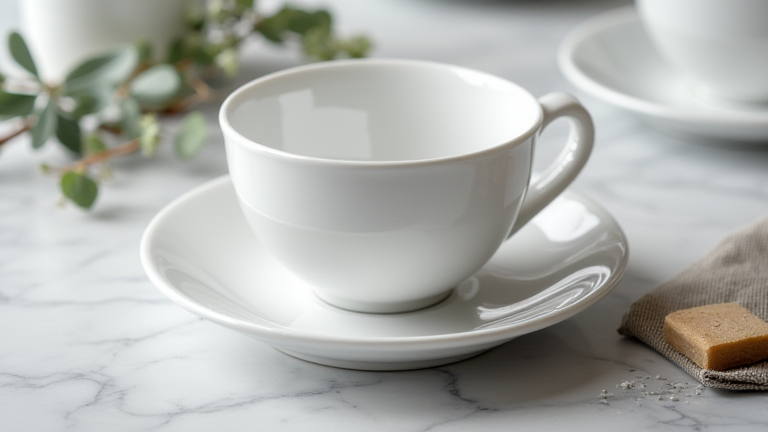
Porcelain Buying Guide: Health & Safety Tips
TL;DR: Choose lead-free, food-grade porcelain from reputable manufacturers to ensure your tableware is safe for daily consumption. Verify that the glaze is stable and free of toxic heavy metals to protect your long-term health.
Porcelain has long been the gold standard for fine dining, prized for its elegance, durability, and ability to enhance the presentation of food. However, beneath the glossy surface lies a critical health consideration: the composition of the glaze and clay. Not all porcelain is created equal, and some lower-cost imports may contain hazardous substances. Understanding the science behind safe porcelain allows you to make informed choices that prioritize both aesthetic appeal and physical well-being.
If you want to dig deeper, check out our guide on Top 10 Sustainable Kitchen Gads That Actually Save Money.
Understanding the Risks: Lead and Cadmium
The primary health concern with decorative ceramics is the presence of lead and cadmium, which are often used in traditional glazes to achieve vibrant colors and a smooth finish. These heavy metals can leach into food, particularly acidic items like tomato sauce, citrus fruits, or wine. Chronic exposure to lead, even in small amounts, can lead to neurological issues, kidney damage, and developmental problems in children. Cadmium exposure is linked to bone degeneration and kidney dysfunction. Therefore, it is imperative to avoid porcelain that is explicitly labeled as “decorative only” or “not for food use.” Always look for products certified as “lead-free” and “cadmium-free” by recognized safety standards such as FDA or California Proposition 65.
Identifying Safe and High-Quality Porcelain
When shopping for new tableware, scrutinize the packaging and manufacturer information. Reputable brands will clearly state that their products are safe for microwave and dishwasher use, which often correlates with stable, non-toxic glazes. High-quality porcelain is fired at extremely high temperatures, typically above 2,000 degrees Fahrenheit. This high-temperature firing process vitrifies the clay, creating a non-porous surface that prevents bacteria from harboring and reduces the likelihood of glaze degradation over time. Avoid unbranded or extremely cheap porcelain from unknown sources, as these are more likely to use lower firing temperatures and potentially unsafe glaze compounds.
Lifestyle Tips for Maintaining Safety
Even with safe porcelain, proper maintenance ensures continued health benefits. Inspect your plates and bowls regularly for cracks or chips. A compromised glaze can expose the underlying clay or release trace amounts of stabilizers. If you notice significant wear, especially on the rim where lips touch, consider replacing the item. To further safeguard your family, avoid using decorative porcelain with painted patterns for daily eating. Instead, use these pieces for serving or display, and switch to plain, solid-colored, food-grade porcelain for meals. This simple habit minimizes any potential contact with decorative pigments.
Investing in high-quality, certified porcelain is not just about luxury; it is a proactive health measure. By selecting safe materials, you ensure that your dining experience is both beautiful and biologically neutral. Take the time to read labels, research brands, and maintain your tableware to uphold the highest standards of wellness in your home. Your choice of dinnerware plays a subtle but significant role in your daily well-being.
FAQ
Q: Is all white porcelain safe for food?
A: No, not all white porcelain is safe. Some low-quality white glazes may still contain lead or other heavy metals. Always look for explicit “food-safe” or “lead-free” certifications from the manufacturer.
Q: Can I use decorative porcelain for serving food if it isn’t eaten directly from it?
A: It is safer to use decorative pieces only for display or serving, not for eating. However, if the glaze is chipped or worn, even serving acidic foods from these items poses a risk of metal leaching.
Q: How can I test if my existing porcelain is lead-free at home?
A: You can buy at-home lead test kits, which involve swabbing the surface with a reagent.
Leave a Reply