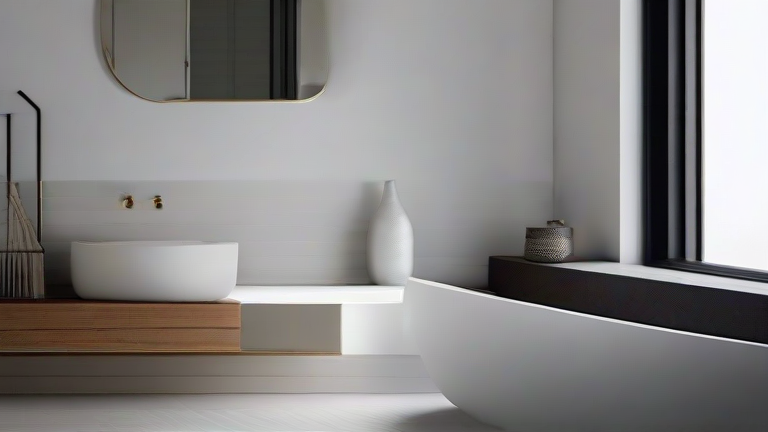
TL;DR: Selecting the right porcelain involves balancing aesthetic preference with functional durability, ensuring your pieces enhance daily rituals without compromising on quality. By focusing on craftsmanship, material composition, and intended use, you can curate a collection that elevates your lifestyle and reflects your personal style.
The Art of Choosing Porcelain
Porcelain is more than just tableware; it is a vessel for culture, memory, and daily pleasure. Whether you are a seasoned collector or someone looking to upgrade their dining experience, buying porcelain requires a discerning eye. The market is flooded with options, ranging from mass-produced items to hand-thrown masterpieces. Understanding the nuances of these differences is the first step toward building a meaningful collection. This guide explores seven essential tips to help you navigate the world of porcelain with confidence, ensuring that every piece you bring home adds value to your life.
If you want to dig deeper, check out our guide on The Ultimate Porcelain Buying Guide for Your Modern Lifestyl.
1. Understand the Material Composition
Not all porcelain is created equal. True porcelain is made from kaolin clay, feldspar, and quartz, fired at high temperatures. This composition results in a dense, translucent body that is stronger and more resistant to chipping than stoneware or earthenware. When shopping, look for brands that explicitly state they use high-quality kaolin. This ensures that your pieces will last for generations, maintaining their integrity even after years of use.
2. Prioritize Glaze Quality
The glaze is the protective coating that gives porcelain its sheen and color. A high-quality glaze should be smooth, even, and free of bubbles or pinholes. It also affects the feel of the piece in your hand. Test the surface if possible; it should feel glassy but not slippery. Additionally, consider food safety standards. Ensure the glaze is lead-free and safe for microwave and dishwasher use, which are crucial for modern lifestyle convenience.
3. Consider the Weight and Thickness
Weight is a good indicator of quality. Heavier porcelain often signifies a thicker, more substantial body, which can provide a sense of luxury and durability. However, thinner porcelain can also be desirable for its elegance and delicate appearance. Decide what feel you prefer. For everyday use, a slightly heavier piece may be more practical, while for formal occasions, a lighter, finer piece might be more appropriate.
4. Match the Style to Your Lifestyle
Your porcelain should reflect your personal aesthetic and lifestyle. If you prefer a minimalist look, choose simple shapes and neutral colors. If you love vibrant, artistic expressions, look for hand-painted designs or bold patterns. Consider how the pieces will be used. Are you hosting large family dinners or enjoying quiet breakfasts alone? Your usage patterns should guide your selection of size and quantity.
5. Check for Uniformity and Craftsmanship
Inspect each piece for flaws. Look for chips, cracks, or uneven edges. In hand-made porcelain, slight variations are acceptable and even charming, but in mass-produced items, uniformity is expected. Check the base of the piece; it should be flat and stable. A well-crafted piece will sit perfectly level on a table, ensuring a pleasant dining experience.
6. Evaluate the Brand’s Reputation
Research the manufacturer. Established brands often have a track record of quality and customer service. Read reviews and look for certifications. Some brands specialize in sustainable practices, using recycled materials or eco-friendly production methods. Supporting these brands can align your purchases with your personal values regarding environmental responsibility.
7. Plan for Long-Term Care
Before buying, consider how you will care for the pieces. Some porcelain requires hand washing to preserve its finish, while others are dishwasher safe. If you have a busy lifestyle, opting for durable, easy-to-clean pieces may be more practical. Proper care extends the life of your porcelain, allowing you to enjoy it for many years to come.
FAQ
Q: Is all white porcelain made from the same materials?
A: No, the quality
Leave a Reply