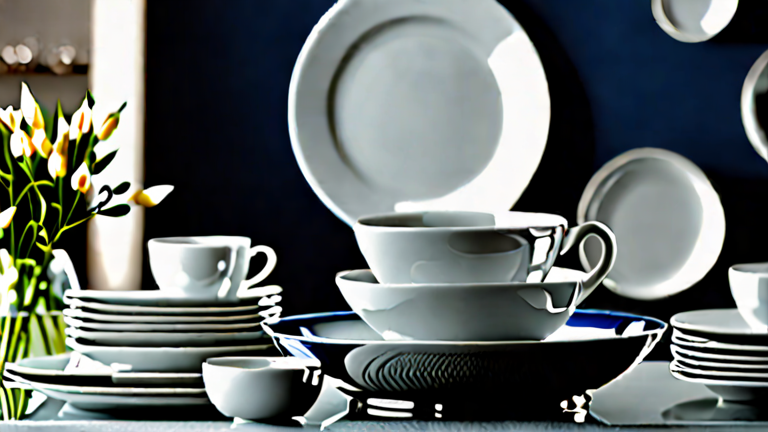
TL;DR: Choosing high-quality, lead-free porcelain dishes supports safer food contact, easier portion control, and better hygiene than many alternatives. Prioritize certified brands, avoid damaged glazes, and use porcelain as part of a balanced, mindful kitchen routine.
Why Porcelain Deserves a Place in Your Wellness Kitchen
Porcelain isn’t just about aesthetics. Its non-porous, glass-like surface resists bacteria, odors, and stains far better than cracked ceramic or scratched plastic. A 2019 study in the Journal of Food Protection found that non-porous surfaces reduce bacterial retention by over 90% compared to worn plastic. For anyone building a healthier home, that’s a meaningful upgrade.
If you want to dig deeper, check out our guide on Porcelain Buying Guide: Tips for Quality Lifestyle Pieces.
7 Health Benefits & Safety Tips for Buying Porcelain
1. Lead-free certification matters most. Some imported porcelain glazes still contain lead or cadmium. Always look for “lead-free” or “Prop 65 compliant” labels. The FDA tests dinnerware, but buying from reputable brands with third-party lab reports is your safest bet.
2. Non-porous surface = fewer germs. Porcelain’s low porosity means fewer crevices for bacteria like E. coli or Salmonella to hide. This makes it ideal for raw meat prep plates, as long as you still wash with hot, soapy water.
3. Portion control with visual cues. Studies on plate size show that using smaller, lighter-colored porcelain plates can reduce calorie intake by up to 15%. Porcelain’s clean white finish makes food portions visually clearer than busy patterns.
4. No plastic leaching. Unlike melamine or old plasticware, porcelain doesn’t release BPA, phthalates, or microplastics when heated. That’s a win for endocrine health, especially for children.
5. Heat retention supports slower eating. Porcelain holds heat well, keeping soups and teas warm longer. Mindful eating research suggests warmer food temperatures encourage slower consumption and better satiety signals.
6. Avoid damaged or crazed glaze. Cracks, chips, or a “crazed” (web-like) pattern can trap bacteria and potentially expose underlying materials. Inspect before buying—used porcelain with visible wear is a health risk, not a bargain.
7. Microwave and dishwasher safety. Not all porcelain is microwave-safe. Metallic accents (gold rims, platinum dots) can spark. Check manufacturer guidelines; plain, undecorated porcelain is usually safe for both appliances.
Lifestyle Tips for Long-Term Use
Hand-wash delicate pieces with metallic trim. Avoid sudden temperature changes—pouring boiling water into a cold porcelain mug can cause thermal shock. Store plates with felt pads between them to prevent scratching. Replace any piece that develops a crack, even if it looks minor.
FAQ
Q: Is porcelain safer than ceramic for everyday eating?
A: Generally yes, because high-fired porcelain is denser and less porous than low-fire ceramic. However, both can be safe if labeled lead-free and kept free of cracks.
Q: Can I use vintage or antique porcelain daily?
A: Only if it tests negative for lead. Many pre-1970s pieces used lead glazes. Use a home lead test kit or avoid daily use for acidic foods like tomato sauce or citrus.
Q: Does porcelain need special cleaning to stay hygienic?
A: No special cleaners needed. Hot water, mild dish soap, and a soft sponge are enough. Avoid abrasive scrubbers that can scratch the glaze over time.
Leave a Reply