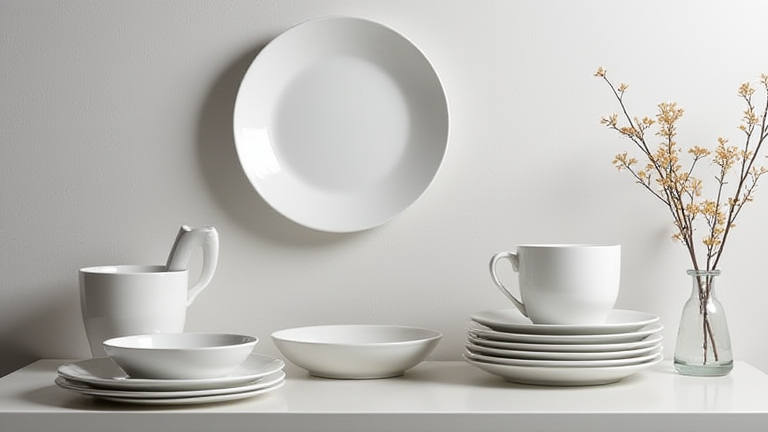
Porcelain Buying Guide: 10 Tips to Choose the Perfect Piece
TL;DR: Select porcelain by examining the body’s weight, translucency, and glaze integrity to ensure durability and aesthetic appeal. Verify the manufacturer’s reputation and care instructions to guarantee a long-lasting addition to your collection.
Understanding Porcelain Basics
Porcelain is a unique type of ceramic known for its whiteness, translucency, and strength. Before purchasing, understand the difference between hard-paste and soft-paste porcelain. Hard-paste is fired at higher temperatures, making it more durable and resistant to thermal shock. Soft-paste is more delicate and often contains more lead or glass content. Identifying the type helps you manage expectations regarding care and longevity. Always inspect the piece under natural light if possible, as artificial lighting can mask flaws in the glaze or hide slight discolorations in the body.
If you want to dig deeper, check out our guide on 7 Reasons the Apple M3 MacBook Pro Beats the Intel i9.
Step-by-Step Selection Process
First, assess the physical integrity of the piece. Hold the item carefully and look for hairline cracks, chips, or glaze crazing. Crazing is a network of fine cracks in the glaze that can trap dirt and moisture, leading to further damage. Use a flashlight to check the rim and base, as these areas are most susceptible to wear. Next, evaluate the weight. High-quality porcelain should feel substantial yet not overly heavy. A hollow sound when tapped gently indicates a thicker, less refined body, while a dull thud suggests a dense, high-quality material. This tactile assessment provides immediate feedback on the manufacturing quality.
Expert Tips for Quality Control
Check the translucency by holding the piece up to a light source. True porcelain allows light to pass through the thinner sections, giving it a luminous quality. If the piece is opaque, it may be a lower-grade ceramic or earthenware mislabeled as porcelain. Examine the glaze for uniformity. The surface should be smooth to the touch without any rough patches or bubbles. Look for consistent color saturation, especially in painted pieces. Uneven coloring can indicate poor firing techniques. Additionally, ensure that the foot ring is smooth and does not have sharp edges that could cut your fingers or scratch your table surfaces. A well-finished foot ring is a hallmark of artisanal craftsmanship.
Verifying Provenance and Care
Research the manufacturer’s history. Established brands often have specific markings or stamps on the underside of the piece. Verify these marks against official guides to confirm authenticity. Be wary of unmarked pieces that claim to be from famous kilns. Ask the seller for a detailed care manual. Porcelain requires gentle handling; avoid abrasive cleaners or sudden temperature changes. Inquire about the firing temperature if possible, as higher temperatures generally correlate with better durability. Keep all original packaging and documentation, as they add value and provide essential information for future care. Proper storage is also crucial; use soft cloths to separate pieces and store them in a climate-controlled environment to prevent humidity-related issues.
Final Evaluation and Purchase
Consider the intended use of the piece. If you plan to use it for daily dining, prioritize durability and microwave-safe certifications. For decorative purposes, aesthetic details and artistic merit take precedence. Compare prices within the same quality bracket to ensure you are not overpaying for brand name alone. Read recent reviews from other buyers to identify any recurring issues with specific batches or models. Trust your instincts; if something feels off, whether it is the weight, the sound, or the visual appearance, consider walking away. A perfect piece should inspire confidence in its quality and longevity.
FAQ
Q: How do I clean antique porcelain safely?
A: Use a soft, damp cloth with mild soap, avoiding abrasive sponges or harsh chemicals that can damage the glaze.
Q: What is the difference between porcelain and china?
A: Porcelain is a specific type of ceramic made from kaolin clay fired at high temperatures, while china is a broader term that often refers
Leave a Reply