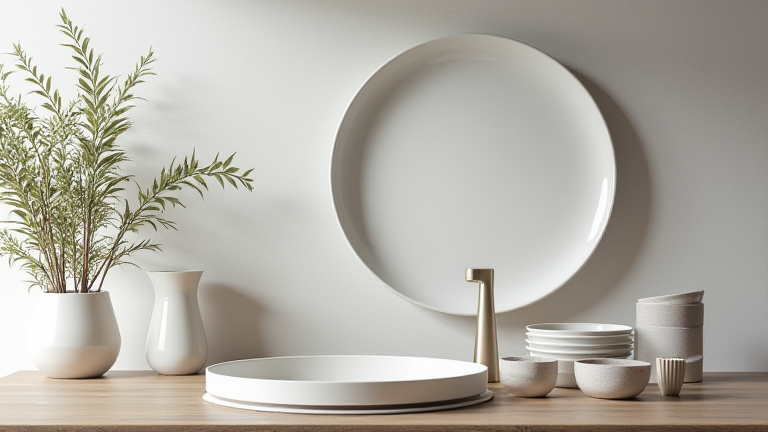
TL;DR: Choose porcelain that survives real life—microwave-safe, dishwasher-proof, and chip-resistant—over delicate heirloom pieces. Prioritize functional versatility and neutral tones that mix with existing tableware for daily use, not just special occasions.
Porcelain Buying Guide: 10 Tips for Perfect Everyday Lifestyle
Porcelain isn’t just for grandmother’s cabinet—it’s the unsung hero of a slow-living kitchen. When you buy with intention, your plates become canvases for morning miso soup, weeknight pasta, and weekend charcuterie. Here’s how to curate a set that serves your actual life, not a Pinterest board.
If you want to dig deeper, check out our guide on 10 Trendy Home Office Desk Lamps Designers Are Buying Now.
1. Check the Firing Temperature
High-fired porcelain (above 1,300°C) is denser and less porous, meaning it resists crazing (tiny cracks) and staining from turmeric or red wine. Ask the seller or read the label—if it’s vague, move on.
2. Prioritize the “Stack Test”
Everyday porcelain should nest neatly without wobbling. Stack four plates in the store (or at home) and spin the top one. If it rattles, the rims are uneven—a recipe for chipped edges.
3. Choose a Matte or Speckled Glaze
Glossy finishes show every fork scratch. Matte or speckled glazes hide daily wear and feel more organic, pairing beautifully with linen napkins and rustic bread.
4. Verify Microwave and Dishwasher Safety
Your lifestyle demands convenience. Look for “microwave-safe” and “dishwasher-safe” stamps on the base. Avoid gold or metallic rims—they’ll tarnish and can spark in the microwave.
5. Opt for a Slight Rim, Not a Deep Well
A shallow bowl with a wide rim is more forgiving for casual meals—it catches juices, holds a spoon, and doubles as a serving piece. Deep wells are for soup-only days.
6. Buy Open Stock, Not Full Sets
Instead of a 12-piece box, buy four dinner plates, four salad plates, and four bowls in a pattern that’s available piece-by-piece. Broken pieces are replaceable, and you can mix colors later.
7. Test the Weight
Everyday porcelain should feel substantial but not heavy. Lift one plate with one hand—if it fatigues your wrist, you’ll dread washing it. Aim for 700–900 grams per dinner plate.
8. Embrace Neutral Earth Tones
Oatmeal, sage, and slate gray hide food splatters better than pure white and transition from weekday leftovers to dinner-party plating. They also make your produce pop visually.
9. Inspect the Foot Ring
Flip the plate over. The unglazed foot ring should be smooth and slightly recessed. A rough or sharp foot ring scratches wooden tables and accumulates grime.
10. Invest in a Single “Hero” Piece
Spend your budget on one large serving platter or a ramen bowl with a lid. This becomes your signature—perfect for cozy family meals or solo cultural cooking experiments.
FAQ
Q: Can I use porcelain on a gas stove directly?
A: No—porcelain is not cookware. Use it for serving and reheating in the microwave or oven (up to 350°F if marked), but never on open flames.
Q: How do I prevent knife marks on everyday porcelain?
A: Use wooden or bamboo cutting boards. Even high-fired porcelain will develop micro-scratches from serrated knives; cutting directly on the plate dulls your knife and leaves gray streaks.
Q: Is bone china better than porcelain for daily use?
A: Bone china is stronger
Leave a Reply