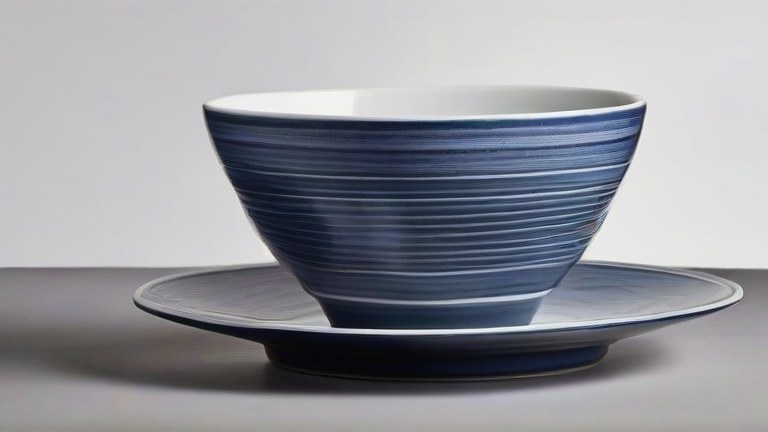
Porcelain Buying Guide: 10 Tips for Choosing the Perfect Tableware
TL;DR: Choose durable, lead-free porcelain with a smooth glaze and consistent color for daily use. Prioritize brand reputation and specific functional needs like microwave safety over aesthetic trends alone.
Investing in high-quality porcelain tableware is more than just about aesthetics; it is about ensuring longevity, safety, and elegance for your dining experience. Whether you are updating your everyday dishes or preparing for a formal wedding, understanding the nuances of porcelain quality is essential. This guide provides ten critical tips to help you navigate the market and select tableware that serves both form and function exceptionally well.
If you want to dig deeper, check out our guide on Porcelain Buying Guide: How to Choose the Best Quality.
Material Quality and Durability
First, distinguish between true porcelain and bone china. True porcelain is fired at extremely high temperatures, resulting in a dense, non-porous material that is stronger than standard stoneware. Look for pieces that ring like a bell when tapped gently; a clear, high-pitched tone indicates high quality. Conversely, a dull thud suggests lower density and potential brittleness. Always verify that the manufacturer uses lead-free glazes, especially if you plan to use the items with acidic foods. This ensures that no harmful metals leach into your meals over time. Additionally, check the thickness of the rim. Thicker rims generally offer better structural integrity, reducing the risk of chipping during regular dishwasher cycles.
Practical Features and Care
Consider the practical aspects of your new tableware. Microwave and dishwasher safety are non-negotiable for modern households. Ensure the product packaging or online description explicitly confirms these features. Uneven glazing can cause food to stick, making cleaning difficult and potentially harboring bacteria. Inspect each piece for uniform color and a silky-smooth surface finish. If you are buying a mixed set, verify that the colors match perfectly across all items, as slight variations can look unprofessional at a formal dinner table.
Brand Comparison and Value
When comparing brands, look beyond price. Premium brands often offer better kiln control, resulting in fewer defects and more vibrant colors. However, mid-range options from reputable manufacturers can offer excellent value without sacrificing safety standards. Compare warranty policies; some brands offer limited lifetime guarantees against cracking, which is a significant advantage. Avoid no-name imports that lack clear sourcing information or safety certifications. These products often fail durability tests and may contain hidden toxins. By prioritizing established brands with transparent manufacturing processes, you ensure peace of mind and long-term satisfaction.
Ready to elevate your dining experience? Explore our curated list of top-rated porcelain sets today. Click the link below to compare prices and read detailed customer reviews to find the perfect match for your home. Do not settle for less; your table deserves the best. Start your search now and transform every meal into a sophisticated event.
FAQ
Q: Is bone china better than porcelain?
A: Bone china is more translucent and slightly lighter, but standard porcelain is often more durable and less prone to chipping for daily use.
Q: How do I clean porcelain tableware safely?
A: Use mild, non-abrasive soap and a soft sponge. Avoid harsh chemicals or scouring pads that can scratch the glaze.
Q: Can I stack porcelain plates in the cabinet?
A: Yes, but place a soft cloth or paper towel between each plate to prevent friction marks and potential chipping over time.
Leave a Reply