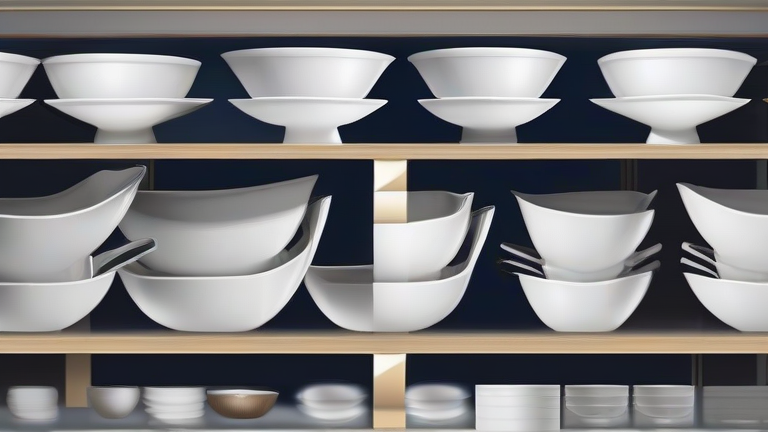
TL;DR: Buy porcelain by checking its translucency, weight, and ring—fine porcelain lets light pass through, feels dense, and rings like a bell. Always verify the maker’s stamp and avoid glossy, painted imitations for genuine quality.
Porcelain Buying Guide: 10 Tips for Beginners
1. Learn the Three Types
Hard-paste (true) porcelain, soft-paste, and bone china. For beginners, hard-paste (kaolin + feldspar) is the safest investment—it’s durable, non-porous, and chip-resistant. Bone china (contains bone ash) is lighter but more fragile.
If you want to dig deeper, check out our guide on The Ultimate Porcelain Buying Guide: Tips for a Chic Lifesty.
2. Test Translucency
Hold a plate or cup against a bright light. Fine porcelain is semi-translucent—your fingers’ silhouette should be faintly visible. Opaque pieces are likely stoneware or earthenware, not porcelain.
3. Check the Ring
Gently tap the rim with a fingernail. A clear, resonant, bell-like tone indicates high-fired porcelain. A dull thud means lower quality or a crack in the body.
4. Inspect the Foot (Base)
Turn the piece over. Unfinished, gritty, or rough edges on the foot ring suggest mass production. Fine porcelain has a smooth, glazed foot—except on antique pieces where the base is intentionally left unglazed.
5. Look for the Maker’s Mark
Flip to the bottom: a printed or hand-painted mark (Meissen, Royal Copenhagen, Noritake) adds value. If unmarked, ask for provenance. Beware of fake stamps—compare the font and color to known references online.
6. Avoid Over-Decoration
Heavy gold rims, thick enamel, or garish hand-painted scenes often hide flaws. Beginners should pick white or underglaze blue pieces—these showcase the clay’s purity and are easier to authenticate.
7. Feel the Weight
Pick up two similar-sized cups. Genuine porcelain feels surprisingly heavy for its thinness—density is a hallmark. If it feels hollow or plasticky, it’s likely a composite.
8. Check for Chips and Crazing
Run a finger along edges. Tiny chips are deal-breakers—they weaken the structure. Crazing (fine hairline cracks in the glaze) is normal on vintage pieces but reduces value and makes the piece unsanitary for food use.
9. Ask About Firing Temperature
Porcelain must be fired above 1,260°C (2,300°F). If a seller doesn’t know the firing temperature, treat it as a red flag. Low-fired “porcelain” is often just glazed ceramic.
10. Buy from Reputable Sources
Start with auction houses, established antique dealers, or brand outlets. Avoid flea markets and random online listings unless you can return the item. Always request a detailed condition report in writing.
FAQ
Q: How can I tell porcelain from ceramic without tools?
A: Hold it to a light—porcelain is translucent, ceramic is not. Also, porcelain feels colder to the touch and rings when tapped, while ceramic sounds dull.
Q: Is bone china better than porcelain for daily use?
A: No. Bone china is lighter and whiter, but more prone to chipping. Hard-paste porcelain is stronger and better for everyday plates and mugs.
Q: What is a fair price for a beginner’s first porcelain set?
A: Expect $50–$150 for a new, unbranded but genuine porcelain dinner plate set (4 pieces). Antique or named-brand pieces start at $100 per item. If it’s under $
Leave a Reply