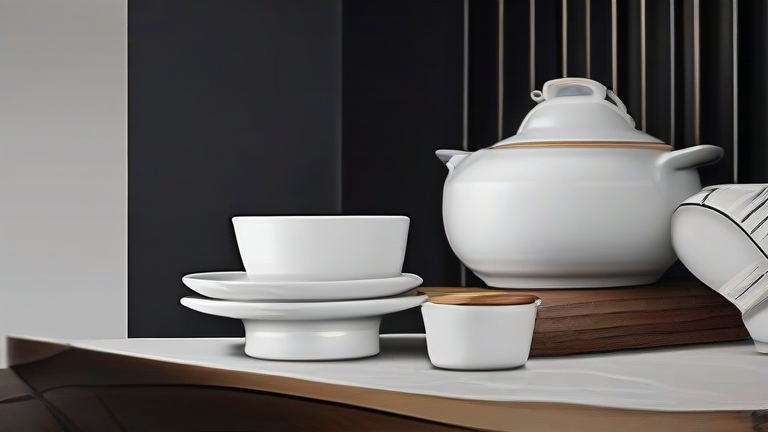
Porcelain Buying Guide: 10 Health Tips for Safe Dining
TL;DR: To ensure safe dining, always choose lead-free, cadmium-free porcelain certified by recognized safety standards like FDA or LFGB. Prioritize high-quality, kiln-fired pieces with no visible cracks or glaze imperfections to prevent heavy metal leaching into your food.
The Hidden Risks of Cheap Dinnerware
Porcelain is often perceived as a luxury item, but its health implications are frequently overlooked. While fine china is aesthetically pleasing, low-cost porcelain can contain harmful heavy metals, particularly lead and cadmium. These substances are often used in traditional glazes to achieve vibrant colors or a glossy finish. According to toxicological studies, chronic exposure to lead, even in small amounts, can affect the nervous system, cognitive function, and kidney health. Therefore, understanding the science behind porcelain safety is essential for modern consumers who prioritize long-term well-being.
If you want to dig deeper, check out our guide on 7 Minimalist Desk Setup Ideas to Boost Your Focus.
When selecting new tableware, the first step is verifying the material’s composition. Authentic porcelain is made from kaolin clay, petuntse, and feldspar, fired at extremely high temperatures. This process creates a dense, non-porous material that is inherently stable. However, the glaze applied on top is where risks often reside. Look for products labeled “food safe,” “lead-free,” and “cadmium-free.” Reputable manufacturers will provide clear documentation regarding their compliance with international safety regulations. Avoid unbranded or imported items that lack transparency about their sourcing and firing processes.
Practical Selection Criteria
One of the most reliable indicators of safe porcelain is its durability. High-quality porcelain should ring like a bell when tapped gently with a spoon. A dull sound often indicates poor firing temperatures, which can result in a porous surface that absorbs liquids and harbors bacteria. Porosity is a significant health concern because it makes the dish difficult to clean thoroughly, creating a breeding ground for mold and bacteria. Always inspect the glaze for any pinholes, cracks, or uneven areas. These imperfections can trap food particles and degrade over time, potentially releasing microscopic shards of glaze into your meals.
Color choice also plays a role in safety. Brightly colored patterns, especially on the interior rim where lips make contact, are more likely to contain lead-based pigments. If you prefer colorful dinnerware, opt for underglaze designs where the pattern is covered by a clear, protective layer of glaze. This encapsulation prevents direct contact between the food and the potentially toxic pigments. Additionally, consider the size of the pieces. Larger plates and bowls offer more surface area for food, but they also require more glaze. Ensure that the glaze coverage is uniform and complete, with no exposed raw clay, which is porous and unsafe for food storage.
Maintenance and Long-Term Safety
Proper care extends the life of your porcelain and maintains its safety profile. Hand washing is often recommended for fine porcelain to prevent thermal shock and mechanical damage. Avoid using abrasive scrubbers that can scratch the glaze, as scratches create microscopic cracks that can harbor bacteria and potentially leach materials. If you notice any chips or cracks, retire the item immediately. Do not attempt to repair cracked porcelain with adhesives, as these are not food-safe and can introduce additional chemicals into your diet.
Regular inspection is crucial. Check your dishes before every use. Look for signs of wear, such as fading colors or rough spots. If the glaze feels rough or sandy, it is degrading and should be replaced. Investing in high-quality, certified porcelain may seem expensive upfront, but it is a cost-effective strategy for protecting your family’s health over decades of use. By making informed choices, you can enjoy the elegance of porcelain without compromising your well-being.
FAQ
Q: Is all white porcelain lead-free?
A: No, not necessarily. While white porcelain is less likely to contain heavy metal pigments than colorful designs, the glaze itself could still contain lead. Always verify the certification of the manufacturer to ensure it is explicitly labeled as lead-free.</p
Leave a Reply