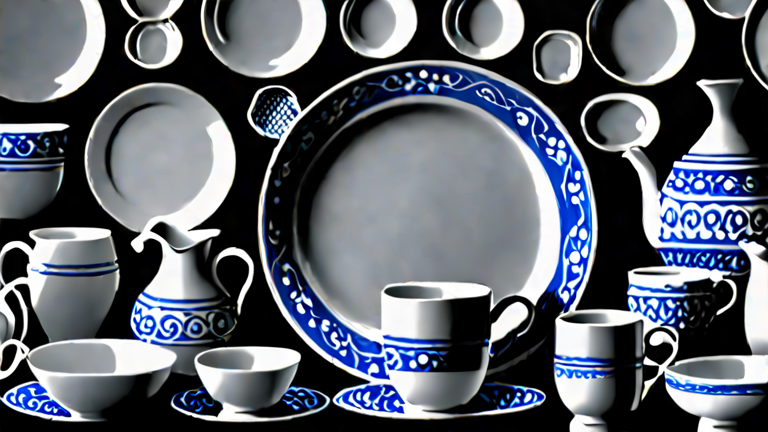
TL;DR: To buy porcelain confidently, prioritize bone china or high-fired porcelain with a translucent, chip-resistant body, then verify the maker’s mark, glaze quality, and intended use. Follow these ten expert tips to avoid overpaying for decorative pieces that won’t survive daily life.
1. Know Your Porcelain Types
Hard-paste porcelain is durable and classic. Bone china contains bone ash for extra whiteness and strength. Soft-paste porcelain is beautiful but delicate—best for display, not dinner.
If you want to dig deeper, check out our guide on Porcelain Health Guide: Safe, Non-Toxic Buying Tips.
2. Check Translucency and Ring
Hold a piece to light: quality porcelain glows softly. Tap the rim—it should ring clear and sustained, not dull or thudding.
3. Inspect the Glaze
Run a finger over the surface. It should be glass-smooth with no pinholes, bubbles, or rough patches. Glaze flaws trap stains and weaken the piece.
4. Look for Maker’s Marks
A backstamp identifies origin, era, and brand. Research names like Meissen, Herend, Royal Copenhagen, or Limoges. Unmarked “porcelain” is often stoneware in disguise.
5. Test Weight and Balance
Good porcelain feels substantial yet refined. A teacup should balance empty and full. Too light means fragile; too heavy suggests earthenware.
6. Examine the Foot Ring
The unglazed base should be smooth and even. Rough or sharp foot rings scratch tables and signal poor firing.
7. Match Use to Durability
Daily plates need high-fired, chip-resistant porcelain. Delicate antique cups belong on shelves. Never assume “fine” means “tough.”
8. Check for Crazing and Cracks
Hold against strong light. Fine web-like lines (crazing) or hairline cracks worsen with heat and moisture—avoid these pieces.
9. Verify Microwave and Dishwasher Safety
Metallic trim, gold rims, and antique glazes are not microwave-safe. Assume vintage porcelain is hand-wash only unless marked otherwise.
10. Buy from Reputable Sellers
Ask about returns, provenance, and condition reports. At thrift shops, inspect every inch. Online, request extra photos of rims, handles, and bases.
FAQ
Q: Is bone china better than porcelain?
A: Bone china is a type of porcelain with bone ash, making it whiter and slightly stronger, but quality hard-paste porcelain can be equally durable for daily use.
Q: How can I tell real porcelain from ceramic?
A: Real porcelain is translucent, rings clearly when tapped, and has a smooth, non-porous glaze; ordinary ceramic is opaque, heavier, and often thicker.
Q: Should I buy antique or new porcelain?
A: Buy antique for display and investment, but choose new high-fired porcelain for everyday dining because it is tested for modern dishwashers and microwaves.
Leave a Reply