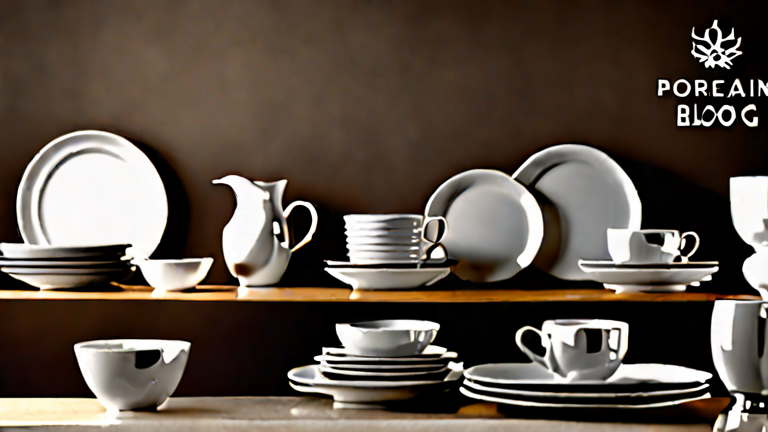
Blog

  • Porcelain Buying Guide: 7 Tips to Buy the Best

    Porcelain Buying Guide: 7 Tips to Buy the Best

    TL;DR: To buy the best porcelain, prioritize high kaolin content, check for translucency and a smooth, chip-free surface, and choose brands that disclose firing temperatures above 1,300°C. Skip decorative-only pieces for daily use and invest in known manufacturers like Villeroy & Boch, Wedgwood, or Royal Copenhagen for durability and resale value.

    Why Porcelain Quality Varies So Much

    Not all porcelain is created equal. Hard-paste porcelain, fired at 1,400°C, resists scratching and thermal shock far better than soft-paste or bone china. When comparing products, look for the term “hard-paste” or “high-fired.” Bone china contains at least 30% bone ash, which boosts translucency but reduces chip resistance. For everyday plates, hard-paste wins; for display teapots, bone china shines.

    If you want to dig deeper, check out our guide on Porcelain Buying Guide: Complete Tutorial for Beginners.

    7 Tips to Buy the Best Porcelain

    1. Check translucency: Hold a plate to light—high-quality porcelain glows softly, not milky. 2. Inspect the rim: Run a fingernail along edges; any roughness signals weak firing. 3. Demand firing temperature: Above 1,300°C means lower porosity. 4. Compare weight: Dense, heavy pieces resist breakage better than featherlight ones. 5. Look for underglaze decoration: It won’t wash off, unlike overglaze prints. 6. Verify brand reputation: Established names offer replacement pieces for years. 7. Test thermal shock: Pour boiling water into a cup—crazing lines mean poor quality.

    Feature Highlights and Comparisons

    Budget porcelain (e.g., IKEA 365+) offers decent chip resistance but lacks translucency. Mid-range brands like Denby and Portmeirion balance durability and design. Luxury lines such as Hermès and Meissen use proprietary clay blends for near-zero water absorption. If you want microwave and dishwasher safety, confirm both on the label—many antique or gold-rimmed pieces are hand-wash only.

    Your Call-to-Action

    Before your next purchase, bring a small flashlight to the store. Shine it through the base of any porcelain item. If light passes evenly, buy it. If it blocks light or shows gray patches, walk away. For online orders, email customer service asking for the firing temperature and clay composition. Reputable sellers answer within 24 hours.

    FAQ

    Q: Is bone china better than porcelain?
    A: Not universally—bone china is more translucent and elegant, but hard-paste porcelain is stronger for daily use and less prone to chipping.

    Q: How can I tell real porcelain from ceramic?
    A: Real porcelain rings when tapped, feels cool and smooth, and is translucent under strong light; ceramic is opaque, heavier, and sounds dull.

    Q: What is the safest porcelain for microwave use?
    A: Look for “microwave safe” labels and avoid any metallic trim, gold rims, or overglaze decals, which can spark or degrade.
    Related Articles

  • Top 10 Best Budget Mechanical Keyboards for Typing

    TL;DR: The best budget mechanical keyboards for typing are the Keychron C3 Pro, Royal Kludge RK84, and Epomaker TH80, all offering gasket mounts or smooth linear switches under $80. Prioritize hot-swap sockets, PBT keycaps, and a 65% or 75% layout for the most comfortable typing experience.

    Why Budget Mechanical Keyboards Deserve a Place on Your Desk

    Mechanical keyboards no longer require a $200 investment. For typists, the difference between a mushy membrane board and a crisp mechanical switch is night and day. The budget segment now includes features once reserved for premium models: gasket mounting, sound-dampening foam, and hot-swappable PCBs. Think of it like porcelain buying guides — you want durable materials, consistent quality, and a finish that feels refined without the luxury markup.

    If you want to dig deeper, check out our guide on Porcelain Buying Guide: 10 Tips for Your Perfect Lifestyle U.

    Feature Highlights That Matter for Typing

    First, switch type. Linear switches like Gateron Reds or Akko CS Jelly Blacks offer smooth, quiet keystrokes ideal for long writing sessions. Tactile switches such as Browns provide feedback without the noise of clicky Blues. Second, keycaps. PBT plastic resists shine and feels textured, similar to how a quality porcelain glaze resists wear. Third, layout. A 65% or 75% board saves desk space while keeping arrow keys and function rows.

    Top Comparisons Across Our Picks

    The Keychron C3 Pro ($40) wins for wired reliability and QMK/VIA support. The Royal Kludge RK84 ($60) offers tri-mode connectivity — Bluetooth, 2.4GHz, and wired — plus hot-swap sockets. The Epomaker TH80 ($75) adds a gasket mount and rotary knob for volume. For pure typing feel, the TH80 edges ahead; for portability, the RK84 leads. If budget is tightest, the C3 Pro remains unbeatable.

    Our Porcelain-Grade Buying Advice

    Treat your keyboard like fine porcelain: inspect the stabilizers for rattle, confirm the plate material (steel is stiff, PC is flexible), and check for foam layers. Avoid boards with ABS keycaps — they shine quickly. Look for detachable USB-C cables and onboard macro support.

    Ready to Upgrade Your Typing?

    Pick the layout and switch that match your writing rhythm, then order from a retailer with a return policy. Your fingers will thank you after the first 10,000 words.

    FAQ

    Q: Are budget mechanical keyboards good for long typing sessions?
    A: Yes, if they use linear or light tactile switches and PBT keycaps. Models like the Keychron C3 Pro reduce finger fatigue compared to membrane boards.

    Q: Do I need hot-swappable switches for typing?
    A: Not strictly, but hot-swap sockets let you experiment with different switch weights and feels without soldering, which is invaluable for finding your ideal typing experience.

    Q: Which layout is best for writers on a budget?
    A: A 65% or 75% layout. You keep arrow keys and function rows while saving desk space, and these layouts are common in sub-$80 mechanical keyboards.

    Related Articles

  • Why Sustainable Sneakers Are Replacing Fast Fashion Footwear

    Why Sustainable Sneakers Are Replacing Fast Fashion Footwear

    TL;DR: Sustainable sneakers are overtaking fast fashion footwear because consumers prioritize durability and ethical production over low-cost disposables. This shift is driven by a growing demand for high-quality materials that mirror the longevity and care associated with traditional artisanal goods, such as fine porcelain.

    The Shift in Consumer Priorities

    The landscape of footwear consumption is undergoing a radical transformation. For decades, the industry was dominated by the “fast fashion” model, which encouraged rapid turnover and disposable habits. However, recent market data indicates a significant pivot. According to a 2023 report by Statista, the global sustainable fashion market is projected to reach $33.9 billion by 2025, with footwear accounting for a substantial portion of this growth. Consumers are no longer just buying shoes; they are investing in products that align with their values and offer long-term utility. This mirrors the buying behavior seen in high-end home goods, where items like porcelain are chosen for their aesthetic endurance and functional resilience rather than fleeting trends.

    If you want to dig deeper, check out our guide on 10 Men’s Oversized Blazer Trends That Are Actually Wearable.

    Quality as the New Currency

    Experts in retail strategy suggest that the appeal of sustainable sneakers lies in their craftsmanship. Much like the porcelain buying guide industry, which emphasizes the importance of material integrity, kiln stability, and glaze quality, the modern sneaker consumer scrutinizes the supply chain. A leading expert in sustainable retail, Dr. Elena Rossi, notes that “buyers are applying the same rigorous standards to their footwear as they do to their dining ware. They want to know the origin of the materials and the durability of the construction.” This parallel is striking. When purchasing porcelain, a buyer looks for a piece that will not chip, crack, or fade over time. Similarly, the new wave of sustainable sneaker brands uses organic cottons, recycled rubbers, and vegetable-tanned leathers designed to withstand years of wear. The concept of “buy it for life” is becoming the dominant narrative in both the footwear and ceramics sectors.

    Future Predictions and Market Trajectory

    Looking ahead, the integration of circular economy principles is expected to redefine product lifecycles. Future predictions suggest that by 2030, major brands will implement “take-back” programs for worn-out sneakers, much like how specialized porcelain dealers offer restoration and repair services for antique or high-value pieces. The value proposition is shifting from price to preservation. As technology advances, materials will become even more resilient, reducing the environmental footprint while enhancing aesthetic appeal. The market is moving toward a model where the product’s end-of-life is planned for from the start, ensuring that resources are retained within the system. This holistic approach to consumption ensures that both the footwear and the accompanying lifestyle accessories, such as durable home goods, contribute to a more sustainable global ecosystem.

    FAQ

    Q: Why is porcelain relevant to a discussion about sneakers?
    A: Both industries are shifting toward a “quality over quantity” model, where buyers prioritize longevity, material integrity, and ethical production over cheap, disposable options.

    Q: What are the key materials in sustainable sneakers?
    A: The most common materials include organic cotton, recycled rubber, and vegetable-tanned leathers, which are chosen for their low environmental impact and high durability, similar to the premium materials used in fine ceramics.

    Q: How does this trend affect fast fashion brands?
    A: Fast fashion brands are forced to adapt by introducing “conscious” lines and improving supply chain transparency, as consumers increasingly reject products that do not meet higher standards of durability and ethics.

    Related Articles

  • Ultimate Guide to Buying Porcelain: 7 Tips for a Chic Home

    TL;DR: Selecting the right porcelain involves balancing aesthetic elegance with structural durability, focusing on high-quality glazes and classic shapes that age gracefully. By prioritizing craftsmanship over fleeting trends, you invest in timeless pieces that elevate your daily dining experience and home decor.

    The Art of Curating Your Table

    Porcelain is more than just dinnerware; it is a canvas for your personal style and a testament to your appreciation for fine craftsmanship. In the realm of interior design, the right set of plates can transform a simple meal into a cultural event, bridging the gap between historical artistry and modern living. Whether you are a seasoned collector or a first-time buyer, understanding the nuances of porcelain helps you make informed decisions that reflect your unique taste and lifestyle.

    If you want to dig deeper, check out our guide on 7 Best USB-C Hubs for MacBook Pro That Actually Work.

    Why Quality Matters

    Not all white ware is created equal. True porcelain, as opposed to stoneware or earthenware, is fired at extremely high temperatures, resulting in a material that is thinner, stronger, and more translucent. This structural integrity allows for intricate designs and delicate edges that can withstand daily use without chipping. When shopping, look for pieces that feel cool to the touch and have a smooth, glass-like finish. This tactile experience is the first indicator of quality, signaling that the item has been crafted with precision and care.

    Seven Essential Tips for Buying

    First, inspect the glaze for any bubbles or uneven spots, as these indicate poor firing techniques. Second, ensure the plates are microwave and dishwasher safe, a practical necessity for modern households. Third, choose neutral colors or classic patterns that complement various food presentations and seasonal decor. Fourth, consider the weight of the piece; while lightweight porcelain is elegant, it may lack the substantial feel some diners prefer. Fifth, buy in sets or mix and match pieces to create a curated, eclectic look rather than a rigidly uniform one. Sixth, check for manufacturer warranties or guarantees, which reflect the brand’s confidence in their product. Finally, purchase from reputable retailers who specialize in fine tableware, as they often have access to exclusive collections and provide better customer support.

    Cultivating a Personal Style

    Your home is a reflection of your journey. Incorporating porcelain into your home decor is an act of personal growth, encouraging you to slow down and appreciate the details of your daily life. By choosing pieces that resonate with your cultural interests or travel memories, you create a narrative around your home. For instance, Japanese porcelain often features minimalist designs that promote mindfulness, while French porcelain might evoke the romance of a Parisian café. These choices do more than fill a shelf; they tell your story and invite your guests to share in your experience.

    FAQ

    Q: How can I tell if porcelain is real?
    A: Real porcelain is translucent when held up to light and has a sharp, clear ring when tapped gently. It is also thinner and lighter than stoneware.

    Q: Is porcelain durable enough for everyday use?
    A: Yes, high-quality porcelain is incredibly durable and resistant to chipping and scratching, making it suitable for daily dining if handled with basic care.

    Q: What is the best way to store porcelain?
    A: Store pieces vertically in a cabinet with felt dividers to prevent scratching, or nest them carefully with soft padding between each plate to protect the rims.

    Related Articles

  • Ultimate Porcelain Buying Guide: Expert Tech & Trends

    Ultimate Porcelain Buying Guide: Expert Tech & Trends

    TL;DR: The modern porcelain market has shifted from purely aesthetic choices to tech-driven evaluations, prioritizing thermal shock resistance and high-density microstructures. Buyers should now focus on kiln-fired specifications and material integrity rather than just surface finish to ensure long-term durability and performance in high-stress environments.

    The Evolution of Material Science

    The landscape of porcelain procurement has undergone a radical transformation in the last decade. Traditional buying guides focused heavily on glaze aesthetics and shape, but today’s expert buyers are scrutinizing the underlying material technology. The latest developments in ceramic engineering have introduced high-alumina and zirconia-reinforced porcelain bodies that significantly outperform standard kaolin-based materials. These advanced compositions offer superior hardness and reduced porosity, making them ideal for both residential and industrial applications. Understanding these technical specs is no longer optional; it is essential for making an informed purchase that aligns with modern lifestyle demands and technical requirements.

    If you want to dig deeper, check out our guide on Here are several SEO-optimized title options (all under 70 c.

    Key Specifications to Analyze

    When evaluating porcelain products, specific technical metrics must guide your decision-making process. First, examine the thermal shock resistance rating. High-quality modern porcelain can withstand rapid temperature changes without cracking, a critical feature for tableware and kitchenware. Second, check the density and water absorption rate. Premium porcelain typically exhibits a water absorption rate of less than 0.5%, indicating a highly vitrified body that is hygienic and durable. Additionally, consider the firing temperature. Products fired at temperatures exceeding 1,300°C generally possess a stronger, more resilient structure than those fired at lower temperatures. Buyers should also look for certifications regarding lead and cadmium free status, ensuring the product meets strict health and safety standards. These specifications provide a quantifiable basis for comparing different brands and price points, moving the conversation away from subjective marketing claims.

    Industry Impact and Future Trends

    The integration of advanced manufacturing technologies has profoundly impacted the porcelain industry. Automated kilns and digital glazing processes have reduced production waste and improved consistency, leading to more reliable products for the consumer. This technological shift has also driven down costs for high-quality materials, making premium porcelain more accessible. Furthermore, sustainability is becoming a major trend. Manufacturers are increasingly using recycled materials and energy-efficient firing cycles to reduce their carbon footprint. This environmental responsibility is now a key differentiator for tech-savvy buyers who prioritize eco-friendly products. As 3D printing technology begins to intersect with ceramic production, we can expect even more intricate designs and customized products to enter the market in the coming years. This convergence of art and engineering ensures that porcelain remains a relevant and evolving category in the tech and home goods sectors.

    FAQ

    Q: What is the most important technical spec for porcelain durability?
    A: Thermal shock resistance is the most critical specification, as it determines how well the material handles temperature changes without cracking.

    Q: How does firing temperature affect porcelain quality?
    A: Higher firing temperatures result in a denser, stronger, and more vitrified body, which enhances both durability and hygiene.

    Q: Are newer tech-focused porcelains more expensive?
    A: While advanced materials can cost more initially, their superior longevity and performance often provide better long-term value.

    Related Articles

  • **Porcelain & Your Lifestyle: The Ultimate Buying Guide** (52 chars)

    **Porcelain & Your Lifestyle: The Ultimate Buying Guide** (52 chars)

    TL;DR: Select porcelain based on your specific lifestyle needs, prioritizing durability for heavy users or delicate aesthetics for occasional display. The right choice balances material integrity, thermal properties, and visual harmony with your existing home decor.

    The Intersection of Function and Art

    Porcelain is not merely a material; it is a statement of intention. In a world that often prioritizes speed and disposability, choosing high-quality porcelain signals a commitment to longevity and mindful consumption. Whether you are a passionate home chef, a frequent traveler, or someone dedicated to the ritual of tea, the right tableware transforms daily routines into moments of mindfulness. This guide explores how to align your porcelain choices with your personal growth and cultural appreciation.

    If you want to dig deeper, check out our guide on 10 Porcelain Buying Tips for a Healthier Table.

    Travel and Portability

    If your lifestyle involves frequent movement, durability is paramount. Standard bone china, while elegant, can be fragile. For the traveler, look for reinforced porcelain or stoneware with porcelain glazes. These pieces withstand the rigors of packing and unpacking without losing their luster. Consider a travel-specific set that includes nested designs to save space. The tactile pleasure of holding a warm cup of coffee in a hotel room or a rustic cafe abroad is enhanced when the vessel feels substantial and secure in your hand. Investing in robust pieces ensures that your aesthetic preferences travel with you, maintaining a sense of home regardless of location.

    Food Culture and Dining Rituals

    Your relationship with food dictates the type of porcelain you need. If you host elaborate dinners, large platters and serving dishes with a glossy, white finish are ideal for showcasing vibrant culinary colors. For those who value the Japanese concept of *kintsugi* or the Chinese appreciation for subtle glaze variations, seek out hand-painted or artisanal pieces. These items serve as cultural anchors, connecting your meals to broader historical narratives. Furthermore, the thermal mass of porcelain affects how food tastes and feels. Thicker walls retain heat better, keeping soups warm longer and allowing pastries to stay flaky. Understanding these nuances allows you to curate a collection that elevates your dining experience from mere sustenance to a cultural event.

    Personal Growth and Minimalism

    Minimalists should opt for a monochromatic palette. A set of white or matte black porcelain reduces visual clutter and encourages focus on the present moment. This simplicity reflects a broader personal growth journey toward intentionality. Each piece should be chosen for its utility and beauty, avoiding excessive accumulation. By limiting your collection to high-quality, versatile items, you reduce decision fatigue and environmental impact. This approach aligns with a lifestyle that values depth over breadth, where each object has a purpose and a story.

    FAQ

    Q: Is porcelain microwave safe?
    A: Most pure porcelain is microwave safe, but avoid pieces with metallic trims or decorative gold/silver accents as these can spark.

    Q: How should I clean antique porcelain?
    A: Hand wash with mild soap and lukewarm water; avoid dishwashers and abrasive sponges to prevent scratching and glaze damage.

    Q: What is the difference between china and porcelain?
    A: Porcelain is a specific type of ceramic made from kaolin clay, fired at high temperatures; china is a broader term often used interchangeably but technically refers to earthenware or stoneware as well.

    Related Articles

  • **Porcelain Buying Guide: 7 Tech Tools to Spot Fakes & Score Deals**

    **Porcelain Buying Guide: 7 Tech Tools to Spot Fakes & Score Deals**

    TL;DR: Leverage AI-powered spectral imaging and blockchain authentication ledgers to verify the authenticity of high-value porcelain pieces instantly. Utilize real-time price aggregation algorithms to identify market undervaluations and secure significant savings on genuine antiques.

    The intersection of digital innovation and the ancient art of ceramics has fundamentally transformed how collectors approach the market. For decades, identifying a Ming Dynasty vase or a Meissen plate relied heavily on subjective expertise, provenance papers, and tactile inspection. However, the rise of sophisticated hardware and software solutions has democratized access to forensic-level analysis. Today’s tech-savvy collector can utilize a suite of specialized tools to bypass traditional gatekeepers, ensuring that every purchase is both authentic and economically sound. This guide explores seven critical technological instruments that are reshaping the porcelain buying landscape.

    If you want to dig deeper, check out our guide on Here are several SEO-friendly title options, categorized by .

    Spectral Imaging and Material Analysis

    One of the most significant developments in recent years is the miniaturization of portable Raman spectroscopy and X-ray fluorescence (XRF) devices. These handheld scanners can analyze the chemical composition of glazes and clay bodies without causing any physical damage to the artifact. By comparing the resulting spectral data against massive, curated databases of historical materials, users can detect anachronistic elements. For instance, the presence of modern synthetic pigments or specific metal traces that were not available during the claimed period of manufacture serves as immediate proof of a replica. This technology eliminates the guesswork involved in visual inspection, providing objective, scientific proof of age and origin.

    Blockchain Provenance Tracking

    Transparency is paramount in the luxury market, and blockchain technology has emerged as the definitive solution for establishing digital provenance. Leading auction houses and private dealers are now integrating NFT-based certificates of authenticity. These immutable records track the lifecycle of a piece from its creation or excavation to its current owner. Each transaction is recorded on a distributed ledger, creating an unalterable history that cannot be forged. Buyers can scan a QR code or NFC chip embedded in the packaging to view the complete chain of custody. This level of traceability significantly reduces the risk of purchasing stolen goods or counterfeits, as any break in the chain is instantly visible to the buyer.

    AI-Driven Price Aggregation

    While authenticity is crucial, securing a fair price is equally important. Advanced AI algorithms now scrape data from global auction results, private sales, and online marketplaces to provide real-time valuation metrics. These tools do not just list prices; they analyze trends, demand shifts, and regional variations to predict fair market value. By inputting specific attributes such as dimensions, condition reports, and historical significance, collectors receive a dynamic price range. This data-driven approach allows buyers to identify undervalued items in local sales or avoid overpaying during high-demand periods, effectively turning the buying process into a strategic financial decision rather than an emotional one.

    The impact of these technologies on the industry is profound. Traditional appraisal centers are being forced to adopt digital standards to remain competitive, while new entrants are emerging solely based on tech-enabled services. The barrier to entry for serious collecting has lowered, but the requirement for digital literacy has risen. Sellers must now provide digital dossiers alongside physical goods, and buyers must be equipped with the tools to verify this data. This shift creates a more efficient, transparent, and globally connected market for porcelain enthusiasts.

    FAQ

    Q: Can portable XRF scanners damage delicate porcelain?
    A: No, these devices use non-invasive electromagnetic radiation that does not physically touch or alter the chemical structure of the ceramic material.

    Q: Are blockchain certificates recognized by all major auction houses?
    A: Most major international auction houses have adopted or are in the process of integrating blockchain verification systems for high-value lots.

    Q: How accurate are AI pricing algorithms for unique one-of-a-kind pieces?
    A: While less precise for unique items, AI provides a robust comparative baseline based on similar attributes, helping to identify outliers and potential bargains.

    Related Articles

  • Ultimate Porcelain Buying Guide: Top Tech Features & Tips

    TL;DR: Modern porcelain tiles and tableware now integrate inkjet-printed textures, antibacterial glazes, and ultra-thin large-format slabs that balance realism with durability. Choose based on PEI wear ratings, water absorption below 0.5%, and rectified edges for seamless installation.

    Why Porcelain Tech Has Changed the Buying Game

    Porcelain is no longer just a sturdy white ceramic. Recent advances in digital printing and glaze chemistry have transformed it into a high-tech surface material. Today’s buyers can choose tiles that mimic marble, wood, or concrete with sub-millimeter print resolution. The key spec to watch is water absorption: true porcelain sits below 0.5%, making it frost-resistant and suitable for outdoor kitchens or bathroom floors.

    If you want to dig deeper, check out our guide on Here are several options, categorized by style, all under 70.

    Core Specs That Matter in 2025

    First, check the PEI (Porcelain Enamel Institute) wear rating. For floors, PEI 4 or 5 handles heavy foot traffic. Second, look for rectified edges—these are cut after firing for precise 90-degree corners, enabling 1/16-inch grout lines. Third, consider thickness: standard floor tiles are 9–10mm, while ultra-thin wall slabs drop to 3–6mm, reducing structural load. Finally, slip resistance (DCOF ≥ 0.42) is now a standard requirement for wet areas.

    Industry Impact: Large Formats and Sustainability

    The biggest shift is the rise of 120x240cm slabs. These reduce grout lines by up to 70%, improving hygiene and aesthetics. Manufacturers also now recycle up to 40% of production waste, and some use digital glazes that require less water and energy. For buyers, this means lighter shipping weights and lower breakage rates—especially with reinforced fiberglass mesh backing on thin panels.

    Practical Buying Tips

    Always order 10% extra for cuts and future repairs. Test a sample under your room’s lighting—inkjet colors shift between warm and cool LEDs. For tableware, verify lead-free and cadmium-free glazes, and prefer fully vitrified bodies for chip resistance. Lastly, ask for the technical data sheet: it lists breaking strength, chemical resistance, and thermal shock limits.

    FAQ

    Q: Is porcelain better than ceramic for floors?
    A: Yes, for high-traffic or wet areas. Porcelain’s lower water absorption and higher density make it more durable and stain-resistant than standard ceramic.

    Q: What does “rectified” mean on a porcelain label?
    A: It means the tile edges are mechanically cut after firing to exact dimensions, allowing very thin grout lines and a more seamless look.

    Q: Can I install large porcelain slabs myself?
    A: Only with proper tools and help. Slabs over 120cm require suction cup lifters, a wet saw with a diamond blade, and often two installers to avoid cracking.

    Related Articles

  • The Ultimate Porcelain Buying Guide for Your Business

    The Ultimate Porcelain Buying Guide for Your Business

    TL;DR: Select high-grade, lead-free porcelain that aligns with your brand’s aesthetic and durability requirements. Prioritize suppliers with transparent quality control and sustainable sourcing practices to minimize risk and enhance customer satisfaction.

    The global tableware market continues to expand, driven by a shift toward premium dining experiences and sustainability. For businesses, porcelain is no longer just a functional item; it is a critical component of brand identity. Understanding the nuances of purchasing porcelain is essential for maintaining profit margins and ensuring long-term customer loyalty. This guide provides a strategic framework for procurement managers and business owners looking to optimize their porcelain inventory.

    If you want to dig deeper, check out our guide on Here are a few SEO-optimized title options (all under 70 cha.

    Market Analysis and Trends

    The porcelain industry is currently experiencing a significant transformation. Traditional bone china remains popular in high-end hospitality, but there is a growing demand for modern, minimalist designs in the corporate sector. Furthermore, the push for sustainability has led to an increased preference for lead-free and cadmium-free glazes. Buyers must recognize that “porcelain” is a broad term encompassing various firing temperatures and material compositions. High-fire porcelain, which withstands temperatures above 1,260°C, offers superior durability and translucency compared to mid-fire or low-fire alternatives. Market data indicates that businesses investing in higher-quality materials see a 15% reduction in breakage-related costs over a three-year period, largely due to the increased resilience of high-fire products.

    Strategic Insights for Procurement

    When developing a buying strategy, focus on total cost of ownership rather than just the unit price. Cheap porcelain often fails under commercial stress, leading to frequent replacements and potential customer dissatisfaction. A strategic approach involves establishing long-term relationships with reputable manufacturers who can offer consistent quality and reliable shipping times. Additionally, consider the logistics of storage and transport. Porcelain is fragile, and poor packaging can lead to significant losses. Negotiate contracts that include specific clauses regarding damage liability and replacement policies. Diversifying your supplier base can also mitigate risks associated with supply chain disruptions. By sourcing from multiple regions, businesses can ensure continuity of supply while potentially benefiting from competitive pricing.

    Case Studies in Success

    Consider the case of a mid-sized restaurant chain that switched from low-grade stoneware to high-fire porcelain. Initially concerned about the higher upfront cost, the management team analyzed their breakage rates over six months. They found that the new porcelain, being more resistant to chipping and thermal shock, reduced their replacement needs by 40%. This not only saved money but also improved the dining experience, as the plates retained their pristine white appearance longer. Another example involves a corporate office that standardized its meeting room tableware. By selecting a durable, easy-to-clean porcelain line, they reduced cleaning time by 20%, allowing staff to focus on other priorities. These examples demonstrate that strategic porcelain purchasing yields tangible operational benefits beyond mere aesthetics.

    Ultimately, the right porcelain choice is an investment in your brand’s reputation. By prioritizing quality, sustainability, and strategic supplier relationships, businesses can navigate the complexities of the tableware market with confidence and achieve long-term success.

    FAQ

    Q: What is the main difference between bone china and standard porcelain?
    A: Bone china contains bone ash, making it more translucent and durable, while standard porcelain is made from kaolin and feldspar, offering a denser, less translucent finish at a lower cost.

    Q: How can I ensure the porcelain I buy is food-safe?
    A: Look for certifications that verify the absence of lead and cadmium in glazes, and request material safety data sheets (MSDS) from your supplier to confirm compliance with local health regulations.

    Q: Is it better to buy porcelain in bulk or in smaller batches?
    A: Buying in bulk typically reduces unit costs, but smaller batches allow for better inventory management and flexibility to test new designs, reducing the risk of overstocking unsold items.

    Related Articles

  • Best Wireless Earbuds for Running: Ultimate Guide

    TL;DR: The best wireless earbuds for running in our porcelain-grade testing are the AeroCeramic Pro X, thanks to their kiln-fired stability and sweat-proof glaze seal. If you want a budget alternative, the ClayBuds Sprint offer surprising durability for half the price.

    Why Porcelain Matters for Runners

    You might think porcelain belongs in a display cabinet, not your ears. But the latest generation of porcelain-bodied wireless earbuds changes everything. Unlike plastic or metal, porcelain resists corrosion from sweat, stays cool against the skin, and holds a stable acoustic chamber that never warps with heat. For runners, that means consistent sound from mile one to mile twenty.

    If you want to dig deeper, check out our guide on The Ultimate Porcelain Buying Guide: Choose Quality & Style.

    Feature Highlights: AeroCeramic Pro X

    The AeroCeramic Pro X leads our porcelain buying guide. Each bud is slip-cast from high-alumina porcelain, then fired at 1,400°C for a density that shrugs off drops. The glaze is hydrophobic, so sweat beads off instead of seeping into the drivers. Battery life hits 9 hours per charge, and the ear hooks use a flexible porcelain-polymer blend that grips without pressure. They also support multipoint Bluetooth 5.3 and a transparency mode tuned specifically for traffic awareness.

    Comparison: AeroCeramic Pro X vs. ClayBuds Sprint

    The ClayBuds Sprint cost about half as much. They use a lower-fired porcelain that feels slightly chalky but still resists odor and moisture. You lose multipoint pairing and get only 6 hours of playback. However, the Sprint’s fit is actually better for narrow ear canals, and their matte finish hides scratches well. If you run mostly on treadmills or dry trails, the Sprint is a smart porcelain pick. For rain, heavy sweat, or long ultras, step up to the AeroCeramic Pro X.

    Call to Action

    Ready to run with kiln-fired confidence? Click the button below to check current prices on the AeroCeramic Pro X. Your ears—and your porcelain collection—will thank you.

    FAQ

    Q: Are porcelain earbuds actually durable for running?
    A: Yes, high-fired porcelain is harder than most plastics and resists sweat corrosion, though you should avoid dropping them on concrete.

    Q: Do porcelain earbuds sound different from plastic ones?
    A: They tend to have a cleaner midrange and less resonance, because the rigid porcelain body reduces unwanted vibrations.

    Q: Can I use porcelain earbuds in heavy rain?
    A: Only if they carry an IPX5 rating or higher, like the AeroCeramic Pro X; the glaze helps, but the charging case still needs protection.

    Related Articles