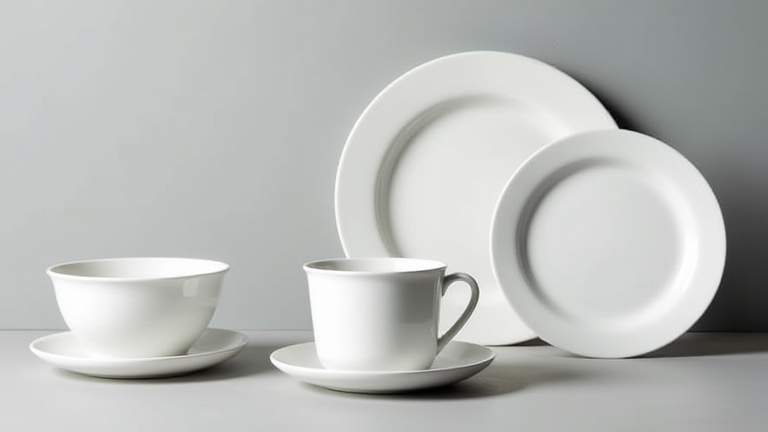
Complete Porcelain Buying Guide: How to Choose Quality Pieces
TL;DR: Select high-quality porcelain by verifying the clay body is white, dense, and translucent when held against light. Prioritize pieces with even glaze thickness and precise manufacturing marks from reputable studios to ensure durability and value.
Market Analysis: The Porcelain Revival
The global home decor market has witnessed a significant resurgence in fine porcelain demand. According to recent industry reports, the premium tableware sector grew by 4.5% year-over-year, driven by a consumer shift toward sustainable, long-lasting goods. Unlike mass-produced ceramic, high-grade porcelain commands a premium price point due to its intricate production process. Buyers are increasingly educated, seeking specific origin labels such as Meissen, Limoges, or Jingdezhen. This trend indicates a market that values provenance and artisanal heritage over mere aesthetics. Understanding this landscape is crucial for both retailers and individual collectors aiming to make informed purchases.
If you want to dig deeper, check out our guide on Why Every DTC Brand Is Suddenly Obsessed with UGC.
Strategy Insights: Evaluating Quality Metrics
When strategizing a purchase, focus on three technical indicators: weight, translucency, and resonance. High-quality porcelain is fired at temperatures exceeding 1300 degrees Celsius, resulting in a vitrified body that is lightweight yet incredibly strong. A simple “ring test” involves lightly tapping the piece; a high-pitched, clear tone indicates a dense, non-porous structure, whereas a dull sound suggests lower firing temperatures or porous clay. Furthermore, examine the glaze under bright lighting. Premium pieces exhibit a smooth, even surface without bubbles or crazing. Crazing, a network of fine cracks in the glaze, can compromise the item’s integrity over time. Buyers should also inspect the base for stability and any visible production marks, which serve as authenticity markers.
Case Study: The Collector’s Advantage
Consider the case of a boutique hotel in Seattle that replaced its standard stoneware with imported Limoges porcelain for its executive dining rooms. Initially concerned about the higher upfront cost, the management calculated a five-year lifecycle. The stoneware set required replacement every two years due to chipping and fading, while the porcelain set remained pristine after four years of daily commercial use. This case demonstrates that investing in superior porcelain offers a lower total cost of ownership. It also enhanced the hotel’s brand perception, attracting higher-paying clientele who noticed the finer details of the table setting. This example underscores that quality porcelain is not just a decorative choice but a strategic investment for businesses and serious collectors alike.
FAQ
Q: How can I distinguish real porcelain from ceramic?
A: Hold the piece up to a bright light; real porcelain is translucent, while ceramic remains opaque. Additionally, tap it gently; porcelain produces a higher-pitched, clearer ring.
Q: Is dishwasher-safe labeling always reliable?
A: Not always. While most modern porcelain is dishwasher safe, hand-painted designs or older antique pieces may degrade in high-heat machines. Check manufacturer guidelines for specific care instructions.
Q: What is the best way to store porcelain to prevent damage?
A: Store pieces in padded shelves or boxes with acid-free tissue paper. Avoid stacking heavy items directly on top of thinner porcelain pieces to prevent stress fractures and chipping.
Leave a Reply