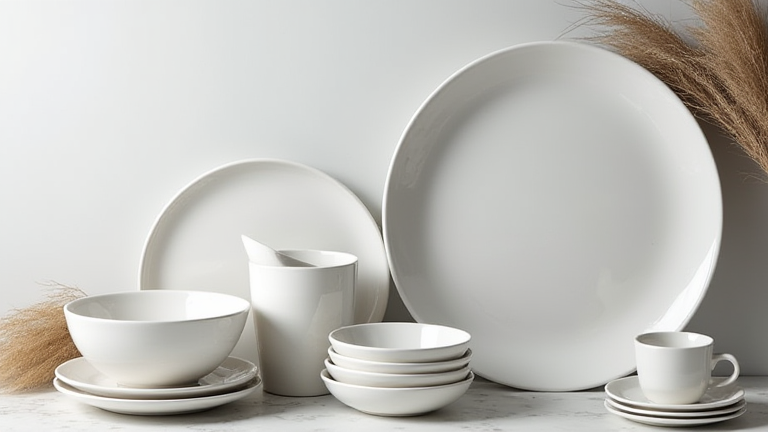
TL;DR: Choose porcelain by testing its translucency, resonance, and weight—fine porcelain lets light pass through and rings like a bell when tapped. Match the piece to its intended use (dinnerware, decor, or collectible) and verify the maker’s mark to ensure authenticity and quality.
Step 1: Understand the Three Types of Porcelain
Before buying, know your categories: hard-paste (true porcelain, fired at 1400°C, durable and chip-resistant), soft-paste (lower firing, more delicate, often antique), and bone china (contains bone ash, extra white and translucent, but less scratch-resistant). For daily use, hard-paste is best; for heirloom display, soft-paste or fine bone china adds charm.
If you want to dig deeper, check out our guide on The Ultimate Porcelain Buying Guide: Style Your Lifestyle.
Step 2: Perform the Light Test for Translucency
Hold the piece up to a bright light source. Genuine porcelain is semi-translucent—you should see a soft glow through the body, especially at the thinnest edges (rims or handles). If the piece is opaque like stoneware, it’s not porcelain. For cups or vases, place a small LED flashlight inside (if accessible) to check even light diffusion.
Step 3: Tap Test for Resonance
Gently flick the rim with your fingernail or a wooden pencil. High-quality porcelain produces a clear, long-lasting, bell-like ring. A dull thud indicates impurities, cracks, or lower-fired material. Compare two pieces side-by-side; the one with a higher-pitched, sustained tone is denser and better fired.
Step 4: Inspect the Foot and Glaze
Flip the piece over. The unglazed foot rim (where it touched the kiln) should be smooth, slightly rough, and free of brown spots or grit. Run your finger along the glaze—it must be flawless, without pinpricks, bubbles, or crazing (fine cracks). Minor crazing on vintage pieces is acceptable, but on new items it signals poor kiln control.
Step 5: Check Weight and Balance
Pick up the item. Fine porcelain feels surprisingly light for its size, yet sturdy. If it feels heavy and clunky, it’s likely stoneware. For plates and bowls, place them on a flat surface—they should not wobble. For teapots, the spout must be level with the lid rim, and the handle should sit comfortably in your hand without tilting the pot.
Step 6: Verify Maker’s Mark and Provenance
Look for a mark on the base—either printed, painted, or impressed. Recognized brands (Meissen, Royal Copenhagen, Wedgwood, Noritake) have consistent marks. Research the mark online or in a porcelain guidebook before purchasing. For antique pieces, request a certificate of authenticity or provenance if the price is high. Avoid pieces with erased or blurred marks—they are often seconds or counterfeits.
Step 7: Match to Use and Care
For everyday dinnerware, choose dishwasher-safe hard-paste porcelain (check the label). For decorative vases, avoid pieces with narrow necks if you plan to use them for fresh flowers—cleaning becomes difficult. For collectible figurines, prioritize hand-painted details and avoid pieces with gold trim if you intend to use them, as gold wears off with washing.
Step 8: Budget and Buy Smart
Set a per-piece budget. New, quality porcelain from mid-tier brands costs $15–$50 per plate; high-end artisan pieces run $100+. For bargains, inspect outlet stores or online auctions, but always ask for extra photos of the foot and rim. Never buy “porcelain” without a written return policy—unless you’re 100% sure of the test results.
FAQ
Q: Can I
Leave a Reply