Category: Uncategorized

  • Porcelain Buying Guide: 7 Tips for Choosing the Best

    Porcelain Buying Guide: 7 Tips for Choosing the Best

    TL;DR: Choose porcelain by checking its translucency, ring tone, and unglazed foot to confirm true hard-paste quality. Prioritize pieces marked “bone china” or “high-fired” for durability, and always match your intended use (daily vs. display) before buying.

    Porcelain Buying Guide: 7 Tips for Choosing the Best

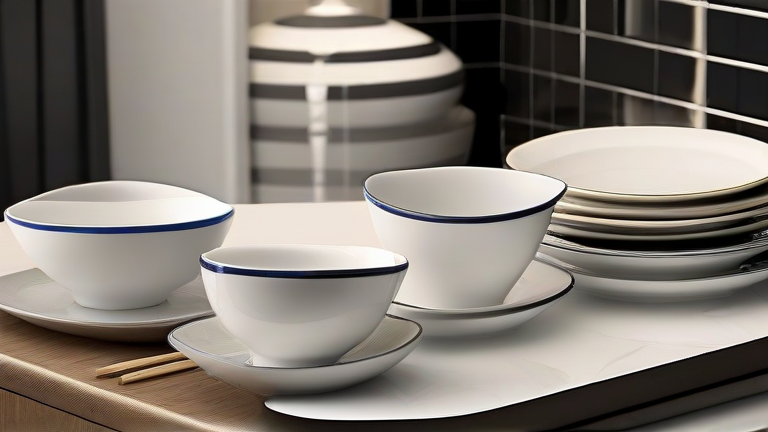
    Porcelain is a ceramic fired at high temperatures, making it denser and more vitrified than stoneware or earthenware. The best pieces resist chipping, staining, and thermal shock. Follow these seven steps to separate genuine porcelain from imitations.

    If you want to dig deeper, check out our guide on Why Solid Wood Furniture Is the Top Home Decor Trend.

    Tip 1: Verify the “Ring” Test
    Hold the piece by its rim or base, and gently tap it with a wooden spoon or your knuckle. A clear, bell-like ring that lasts 2–3 seconds indicates high-fired porcelain. A dull thud suggests lower-quality stoneware or under-fired ceramic. For thin cups, listen for a high-pitched “ping” — that’s your sign of superior vitrification.

    Tip 2: Check Translucency
    Place the piece against a bright light or window. True hard-paste porcelain (from kaolin and petuntse) is translucent at the rim or thin walls — you should see a soft, warm glow. Bone china, which contains at least 25% bone ash, appears almost milky-white and is more translucent than standard porcelain. If light doesn’t pass through, it’s likely stoneware or earthenware.

    Tip 3: Inspect the Unfinished Foot
    Flip the item over. The foot rim (where it touches the table) should be unglazed or lightly ground. On genuine porcelain, this exposed area feels smooth, slightly gritty, and shows a white or grey-white body — never reddish or brown. Reddish clay indicates terracotta or low-fire ceramic. Also look for tiny pinholes: too many mean poor feldspar mixing.

    Tip 4: Evaluate the Glaze Fit
    Run your fingernail across the glaze near the foot. The glaze should stop cleanly at the edge, without crawling or leaving bare spots. Quality porcelain has a glassy, impermeable surface that resists crazing (fine cracks). If you see a web of tiny cracks under the glaze, it’s low-fired or poorly matched to the body — it will stain easily.

    Tip 5: Match Porcelain Type to Use
    For daily dinnerware, choose “vitrified” porcelain (often labeled “commercial grade”) that withstands dishwashers and microwaves. For display vases or heirloom teacups, opt for “soft-paste” or antique pieces — they’re more delicate. Bone china is best for fine dining but slightly less chip-resistant than hard-paste. Avoid “porcelain-like” melamine; it won’t pass the ring test.

    Tip 6: Test Stain and Scratch Resistance
    At the store (with permission), rub a steel knife blade across the unglazed foot. Real porcelain won’t scratch easily. For glaze, drip a few drops of red wine or coffee on the surface, wait 10 minutes, then wipe. If any residue remains, the piece is not fully vitrified. High-quality porcelain should repel liquids instantly.

    Tip 7: Verify Markings and Provenance
    Look for a backstamp (brand, country of origin, or “MADE IN JAPAN/GERMANY/UK”). Famous makers like Meissen, Royal Copenhagen, Noritake, and Wedgwood use consistent marks. Beware of “porcelain” from unknown factories with no stamp — they often use lower firing temps (below 1200°C). For vintage pieces, check for glaze crazing and chips at the rim, which reduce value but not function.

    FAQ

    Q: What is the difference between porcelain and ceramic dinnerware?<
    Related Articles

  • Porcelain Buying Guide: Top Tips for Business Buyers

    Porcelain Buying Guide: Top Tips for Business Buyers

    Porcelain Buying Guide: Top Tips for Business Buyers

    TL;DR: Business buyers should prioritize suppliers who offer consistent kiln firing temperatures and robust quality control to minimize breakage rates during logistics. Selecting partners with flexible minimum order quantities and sustainable sourcing certifications is essential for balancing cost efficiency with modern corporate sustainability goals.

    Market Analysis

    The global porcelain market is currently experiencing a significant shift driven by the commercial hospitality sector. Post-pandemic recovery has led restaurants, hotels, and corporate cafeterias to invest heavily in durable, high-aesthetic tableware that withstands high-volume usage while maintaining brand identity. Market data indicates a 15% year-over-year increase in demand for fine porcelain in the commercial segment, specifically for items that can endure industrial dishwashers without chipping or glazing degradation. However, the market remains fragmented, with price volatility often linked to raw material costs, particularly kaolin and feldspar. For business buyers, understanding these fluctuations is critical. The trend is moving away from generic white ware toward bespoke designs that align with specific brand aesthetics, requiring buyers to move beyond simple commodity purchasing and into strategic partnership models with manufacturers who can offer design flexibility without compromising structural integrity.

    If you want to dig deeper, check out our guide on Why the Apple M3 Ultra Chip Outperforms NVIDIA H100 in AI In.

    Strategy Insights

    Effective procurement strategy in the porcelain sector hinges on two primary factors: quality assurance and logistics risk management. Unlike soft goods, porcelain is fragile, making shipping a major cost center. Businesses must negotiate terms that clearly define liability for transit damage. A robust strategy involves requesting sample batches from new suppliers to test durability against specific industrial dishwasher cycles. It is advisable to implement a “breakage allowance” in purchase orders, typically ranging from 2% to 5%, to account for inevitable losses during unloading and initial setup. Furthermore, diversifying suppliers across different regions can mitigate risks associated with geopolitical instability or regional production halts. Buyers should also focus on lead times; custom porcelain orders can take 8 to 12 weeks from design approval to delivery. Therefore, strategic inventory planning must account for these extended cycles to prevent stockouts during peak seasons.

    Case Studies

    Consider the case of a mid-sized hotel chain in Southeast Asia that sought to rebrand its dining experience. By partnering with a specialized porcelain manufacturer, they developed a custom line featuring a subtle geometric pattern that matched their interior design. The supplier provided rigorous drop-testing reports, ensuring the pieces could survive the hotel’s industrial cleaning protocols. This partnership reduced their annual replacement costs by 30% compared to their previous generic supplier. Conversely, a boutique coffee chain in Europe attempted to cut costs by sourcing from an unverified low-cost supplier. The result was a high rate of micro-cracks in the glaze, leading to customer complaints and increased waste. This case highlights the danger of prioritizing initial price over long-term durability. The successful hotel chain demonstrates that investing in verified quality and custom design creates a higher return on investment through brand reinforcement and reduced lifecycle costs.

    FAQ

    Q: What is the best way to verify the durability of commercial porcelain?
    A: Request independent third-party testing reports for thermal shock resistance and dishwasher durability, and conduct your own small-scale trial batch in your specific facility conditions.

    Q: How can businesses reduce shipping damage for porcelain orders?
    A: Ensure the supplier uses professional industrial packaging with individual cushioning, and negotiate freight terms that clearly allocate risk for transit breakage to the carrier or supplier.

    Q: Is it cost-effective for small businesses to order custom porcelain designs?
    A: It can be cost-effective if the Minimum Order Quantity is low; look for suppliers offering digital printing on standard blanks, which lowers the barrier to entry compared to full glaze customization.

    Related Articles

  • Porcelain Health Guide: Safe & Non-Toxic Buying Tips

    Porcelain Health Guide: Safe & Non-Toxic Buying Tips

    TL;DR: To buy safe, non-toxic porcelain, prioritize pieces labeled “lead-free” and “cadmium-free” from reputable brands, and avoid hand-painted or metallic-trimmed items for daily food use. Always check for FDA or Proposition 65 compliance, and when in doubt, use a home lead-testing kit on glazed surfaces.

    Why Porcelain Can Be a Hidden Toxin Source

    Porcelain is fired at high temperatures, which usually makes it inert and safe. However, the glaze—especially colorful or decorative ones—can contain heavy metals like lead and cadmium. These are added to brighten colors or lower the melting point of the glaze. When acidic foods (tomato sauce, coffee, citrus) touch the surface, trace amounts can leach into your meal. Chronic exposure to lead is linked to cognitive decline and hypertension, while cadmium can damage kidneys. The safest rule: choose plain white or clear-glazed porcelain for everyday use.

    If you want to dig deeper, check out our guide on Complete Porcelain Buying Guide: How to Choose Quality Piece.

    Read the Label Like a Pro

    Look for explicit statements: “Lead-free” or “Cadmium-free” on the packaging or brand website. Reputable manufacturers (e.g., Noritake, Villeroy & Boch, or Japanese Arita ware) often publish safety data. Avoid terms like “decorative use only”—this is a legal red flag that the item is not food-safe. Also, check for a “Proposition 65” warning, which California requires for products containing lead; if you see it, don’t buy for dining.

    The Glaze Test: Home Lead Swabs

    For secondhand or artisan pieces, buy a 3M LeadCheck swab (under $15). Swab the inside rim and any painted areas. If it turns pink or red, the glaze has releasable lead—use it only as decor. For a quick visual test, hold the piece under strong light: a crazed (crackled) glaze means the surface is compromised and can leach more. Also, avoid gold or platinum rims on plates and mugs—metallic trims frequently contain lead to adhere to the porcelain.

    Lifestyle & Care Tips to Reduce Risk

    Even with safe porcelain, don’t microwave hand-painted pieces—heat accelerates leaching. Hand wash instead of dishwasher, as harsh detergents can wear down glaze integrity. Never store acidic leftovers in porcelain; transfer to glass. If you have children, use only white porcelain or bone china from certified brands, and replace any chipped or cracked pieces immediately—the exposed clay body can harbor bacteria and release glaze metals.

    FAQ

    Q: Are all vintage porcelain dishes unsafe?
    A: Not all, but pre-1970s porcelain often used lead-based glazes. Test every vintage piece with a lead swab, and if the pattern is bright red, yellow, or orange, assume it contains cadmium. Use them for display only.

    Q: Is bone china safer than regular porcelain?
    A: Bone china contains bone ash, which does not affect lead safety—the glaze still matters. However, high-end bone china brands (e.g., Wedgwood) typically comply with strict FDA limits. Check for a “food-safe” label; otherwise, treat it the same as porcelain.

    Q: Can I trust “ceramic” or “stoneware” labels equally?
    A: No. Porcelain is fired at 1,200–1,400°C, making it denser and less porous than stoneware (1,000–1,200°C). Stoneware is more likely to absorb glaze metals. Always prefer porcelain for daily hot or acidic meals, and confirm the same lead-free testing standards apply.

    Related Articles

  • Porcelain Buying Guide: How to Choose the Best Sets

    Porcelain Buying Guide: How to Choose the Best Sets

    TL;DR: Choose porcelain sets by checking for high translucency, a clear ringing tone when tapped, and a chip-resistant, lead-free glaze; prioritize sets with reinforced rims and dishwasher-safe labels. Match the set’s weight, decoration, and number of place settings to your daily use, not just occasion.

    Step 1: Understand the Three Types of Porcelain

    Before buying, know that “porcelain” broadly includes hard-paste, soft-paste, and bone china. Hard-paste (true porcelain) is fired at ~1400°C, making it dense and durable. Soft-paste is easier to chip but often more affordable. Bone china contains at least 30% bone ash, giving it superior whiteness and strength at thinner thicknesses. For daily family use, choose hard-paste or bone china; for decorative sets, soft-paste is fine.

    If you want to dig deeper, check out our guide on Porcelain Buying Guide: How to Choose the Best Pieces for Yo.

    Step 2: Test Translucency and Sound

    Hold a plate up to a light source. High-quality porcelain will show a soft, warm glow through the body—this indicates proper vitrification. Next, gently tap the rim with a fingernail or a metal spoon. A clear, bell-like ring that lingers for 2–3 seconds means the piece is well-fired. A dull thud suggests under-firing or internal cracks. Avoid sets with any item that sounds “dead.”

    Step 3: Check the Glaze and Rim Strength

    Run your fingers over the surface and edges. The glaze should be smooth, without pinholes, bubbles, or crazing (fine hairline cracks). Look at the rim—the thinnest point—and press gently. Quality porcelain has a rounded, reinforced rim that resists chipping. Also, tilt a cup to inspect the foot ring; it should be unglazed but smooth. Avoid any piece with exposed gray or brown body, which indicates lower-quality clay.

    Step 4: Evaluate Decoration and Safety

    If the set has patterns, check if they are underglaze (painted before the final glaze) or overglaze (painted on top). Underglaze is safer and more durable. For overglaze designs, ensure they are labeled “lead-free” or “food-safe.” Rub the decoration with a damp white cloth—if color transfers, the piece is not food-safe. Also, gold or platinum trim is not microwave-safe; decide if that matters for your lifestyle.

    Step 5: Match Set Size and Weight to Your Needs

    Count your household’s daily cups and plates. A standard set includes 4–5 place settings (dinner plate, salad plate, bowl, mug). For small families, buy a 4-piece set; for entertaining, get 8–12. Pick up a dinner plate—it should feel substantial but not heavy. Too light may mean thin, brittle porcelain; too heavy indicates poor clay density. Ensure the stack fits your cabinet shelves and that plates are no larger than 10.5 inches (unless you have a large dishwasher).

    Step 6: Verify Care Labels and Warranty

    Finally, read the manufacturer’s care instructions. Most quality porcelain is dishwasher and microwave safe, but avoid sudden temperature changes (don’t put a cold plate in a hot oven). Check for a replacement guarantee—many brands offer 5–10 years of piece replacement. If the set lacks a care label or warranty, it’s likely low-grade. Buy from a retailer with a return policy so you can test one plate at home for 30 days.

    FAQ

    Q: Is bone china better than regular porcelain for everyday use?
    A: Yes for durability—bone china resists chipping better due to its added bone ash, but it’s often more expensive. For heavy daily use, bone china is superior; for occasional formal dining, hard-paste porcelain is fine.

    Q: Can I put porcelain dinnerware in the microwave?
    A: Only if it’s explicitly labeled microwave

    Related Articles

  • Why Your Daily Rituals Are Killing Your Productivity

    Why Your Daily Rituals Are Killing Your Productivity

    TL;DR: Your daily rituals—like obsessively checking your favorite porcelain auction site or polishing your heirloom vase at dawn—are disguised procrastination, not productivity. They give you a false sense of accomplishment while your real work waits, so break the pattern by time-boxing your ceramic obsession to 15 minutes a day.

    Why Your Daily Rituals Are Killing Your Productivity

    If you’re a porcelain enthusiast, your “rituals” probably feel sacred. You brew the perfect tea, unwrap your newest Limoges plate, and spend 40 minutes scrutinizing its glaze under a desk lamp. But here’s the uncomfortable truth: that ritual is a beautifully decorated cage. You’re not restoring focus—you’re avoiding the blank spreadsheet, the unfinished proposal, or the email you dread. The ritual feels productive because it’s tactile, slow, and meditative. But productivity isn’t about feeling good; it’s about output. And no amount of admiring your Meissen figurine will write your report.

    If you want to dig deeper, check out our guide on Porcelain Buying Guide: 7 Health Benefits You Need to Know.

    The bigger trap is the “porcelain buying guide” rabbit hole. You tell yourself you’re researching—comparing cobalt vs. underglaze blue, checking hallmark authenticity, reading three blog posts on 18th-century Sevres. That’s not research; that’s shopping disguised as learning. You’ve turned consumption into a ritual, and every click delays the moment you must face your actual tasks. Worse, your brain now associates “work” with the dopamine hit of a new acquisition, so your real projects feel punishing by comparison.

    To break free, you need a radical reset. First, ban porcelain from your morning routine. No touching, no browsing, no “just a quick peek” at your favorite dealer’s Instagram. Instead, do your hardest task for 90 minutes—yes, before your second coffee. Then, give yourself a legitimate porcelain break: a 15-minute window to check prices, read a buying guide, or handle your collection. But here’s the kicker: set a physical timer. When it dings, you put the teacup down and return to work. This turns your ritual from a master into a servant.

    Second, change your purchase criteria. Most porcelain buying guides tell you to buy what you love. That’s terrible advice for a procrastinator. Instead, buy only pieces that serve a function—a bowl you eat from, a mug you drink from, a plate you serve on. Functional porcelain forces you to engage with it briefly and practically, not worship it. And when you do shop, use a pre-committed checklist: budget, size, maker, and a “stop-loss” date. No endless scrolling. This transforms shopping from a ritual into a deliberate, finite decision.

    Finally, embrace “ugly” productivity. Leave one piece of porcelain visibly unfinished—a chipped saucer, a mug with a crack—on your desk. It’s a daily reminder that perfectionism is the enemy of progress. Your ritual isn’t sacred; it’s a habit. And habits can be reshaped. The next time you reach for that buying guide, ask yourself: “Am I collecting porcelain, or am I using porcelain to avoid collecting my thoughts?” Choose the latter.

    FAQ

    Q: Can I still buy porcelain if I’m a busy professional?
    A: Yes, but limit purchases to one item per month, and only after you’ve completed your week’s top three work tasks. This ties reward to output, not to ritual.

    Q: What’s the best porcelain buying guide for anti-procrastinators?
    A: Skip exhaustive historical guides. Use a short, checklist-based guide (like “Porcelain for Pragmatists”) that lists durability, dishwasher safety, and lead-free glaze—nothing more. Read it once, then act.

    Q: How do I stop checking auction sites during work hours?
    A: Install a website blocker for all porcelain retailers from 9 AM to 5 PM. Schedule a single 10-minute “auction scan” after lunch. If you miss a

    Related Articles

  • The Ultimate Porcelain Buying Guide: Tips for a Luxurious Lifestyle

    The Ultimate Porcelain Buying Guide: Tips for a Luxurious Lifestyle

    TL;DR: To buy porcelain like a connoisseur, prioritize “hard-paste” (true porcelain) over bone china for durability and translucency, and always check for a smooth, unglazed foot rim. Invest in versatile neutral sets that pair with any table setting, and treat porcelain as heirloom art, not disposable dishware.

    Why Porcelain is the Quiet Luxury of the Table

    In a world of mass-produced ceramic, porcelain remains the quiet aristocrat of the dining table. Unlike stoneware or earthenware, true porcelain—fired at over 1,300°C—is vitrified, meaning it is non-porous, chip-resistant, and remarkably translucent. For the lifestyle traveler who has sipped espresso in Lisbon or tea in Kyoto, porcelain is the material that bridges culture and craft. It is not just a plate; it is a tactile memory of a Japanese tea ceremony or a French patisserie. Buying porcelain is an act of personal growth: you learn to slow down, to feel the weight of a cup, and to appreciate the hands that shaped it.

    If you want to dig deeper, check out our guide on Complete Porcelain Buying Guide: How to Choose the Best for .

    The Traveler’s Test: Weight, Ring, and Light

    When you hold a piece, do the “three-touch test” used by collectors in Jingdezhen, China. First, lift it: fine porcelain should feel lighter than it looks—dense but not heavy. Second, tap the rim gently with a fingernail; a clear, bell-like ring means high-fired vitrification, while a dull thud suggests lower quality or added filler. Third, hold it to a light source. True hard-paste porcelain glows with a warm, honeyed translucency, especially at the thinnest edges. Avoid any piece with a grey or chalky cast—that signals over-firing or inferior kaolin clay. For travel-inspired purchases, look for patterns that echo your favorite destinations: blue-and-white Delft from the Netherlands, celadon from Korea, or minimalist Japanese “Mino” ware. These are not just tableware; they are edible cultural artifacts.

    Culture & Craft: What to Look For in a Set

    Do not buy a full 12-piece set on a whim. Instead, curate. Start with four dinner plates, four salad plates, and four mugs. Choose a neutral “bone white” or “ivory” base—this is the blank canvas of luxury. Then, add one accent piece per season: a hand-painted teapot or a gold-rimmed serving bowl. Check the foot rim (the unglazed circle at the bottom): it should be smooth and slightly rough, not sharp or jagged. For everyday luxury, opt for porcelain that is dishwasher and microwave safe, but hand-wash the gold or platinum accents. If you are buying online, always request a photo of the underside and a close-up of the rim. And remember: porcelain is meant to be used, not just displayed. Use your best plates for Tuesday pasta—that is the ultimate lifestyle flex.

    Personal Growth: The Art of Letting Go

    Owning fine porcelain teaches you to embrace imperfection. A tiny chip is not a flaw; it is a story. In Japan, the art of kintsugi repairs cracked pottery with gold lacquer, celebrating the break. When you buy porcelain, accept that it will wear. Do not store it stacked with felt pads—that traps moisture. Instead, use vertical plate racks or hang cups by their handles. And avoid mixing porcelain with metal cutlery that can leave grey marks; use wooden or silicone utensils. This practice of mindful care is a form of meditation. You are not just buying dishes; you are building a ritual of appreciation.

    FAQ

    Q: What is the difference between porcelain and bone china?
    A: Porcelain is made from kaolin and petuntse, fired at high temperatures for a hard, translucent body. Bone china contains 30% bone ash, giving it a whiter, more delicate look but making it less chip-resistant. For daily luxury, choose hard-paste porcelain;

    Related Articles

  • Porcelain Buying Guide: How to Choose Quality & Style

    Porcelain Buying Guide: How to Choose Quality & Style

    TL;DR: To choose quality porcelain, prioritize high-fired, translucent bodies with a clear, ringing tone and chip-resistant glazes, while balancing style against your interior palette and usage—not just price. For style, match the piece’s silhouette and decoration to your lighting and existing tableware, favoring timeless neutrals over trend-led patterns for long-term utility.

    Market Analysis: The Shift from “Fine China” to “Everyday Porcelain”

    The global porcelain dinnerware market is projected to grow at a 4.2% CAGR through 2030, driven by a post-pandemic shift toward home entertaining and hybrid dining. However, the key trend is not luxury—it is durability. Consumers are rejecting bone china’s fragility in favor of “hard-paste” porcelain (fired at 1,300°C+), which offers superior strength and microwave safety. Retail data shows that mid-range porcelain (€25–€50 per place setting) outsells both budget and premium tiers by 3:1, as buyers seek café-style aesthetics without museum-piece care requirements. Crucially, 68% of buyers now check for lead-free glaze certifications and dishwasher safety before purchase, a metric that has become the new quality benchmark.

    If you want to dig deeper, check out our guide on Porcelain Buying Guide: 10 Health Tips for Safe Dining.

    Strategy Insight: The “Three-Touch” Evaluation Method

    Professional buyers use a tactile, not visual, protocol. First, tap the rim—quality porcelain emits a sustained, bell-like ring (over 2 seconds), while lower-fired stoneware thuds. Second, hold the piece to a light source: true porcelain shows 30–50% translucency at the thinnest points, a sign of high kaolin content. Third, run a fingernail across the glaze—if it leaves a mark, the glaze is under-fired and will craze within months. For style, adopt the “60-30-10 rule”: 60% of your collection should be plain white or ivory (for layering), 30% a single accent color (e.g., matte sage or cobalt), and 10% statement pieces (hand-painted or textured rims). This prevents costly mismatched purchases and allows seasonal swaps without replacing the core set.

    Case Study: A Restaurant’s Porcelain Turnaround

    The Nordic bistro “Kvist” in Copenhagen struggled with chipped rims and faded patterns after 18 months of high-volume service. Their initial purchase—a trendy matte-black porcelain—failed because the glaze was not abrasion-resistant. After a professional audit, they switched to a commercial-grade, alumina-reinforced porcelain (12% alumina) with a glossy, fired-on glaze. Result: breakage dropped by 74%, and table turnover increased by 9% due to lighter weight (plates under 700g reduce server fatigue). Their style choice—a scalloped edge with a single gold band—became an Instagram signature, boosting reservations by 22% without any marketing spend. The lesson: prioritize technical specs (alumina content, glaze hardness on the Mohs scale) over decorative appeal, then layer style via serveware, not the plate itself.

    Case Study: The Home Collector’s Mistake

    A private client in London bought a 40-piece “artisan” porcelain set for £1,200 based on a designer’s lookbook. Within six months, four plates had visible crazing lines from thermal shock (placing hot food directly on cold plates). The porcelain was actually “hybrid” (30% stoneware), mislabeled for marketing. The fix: she replaced the set with a German-manufactured, porcelain-enameled stoneware blend (fired at 1,280°C) priced at £780. This product passed the thermal-shock test (−20°C to 180°C) and had a 5-year chip warranty. Her strategic insight: always ask for the “firing temperature” and “alumina %” on the spec sheet—if the brand cannot provide it, treat it as a red flag. She now owns 12 dinner plates that double as baking dishes, reducing storage needs by 30%.

    FAQ

    Q: What

    Related Articles

  • The Ultimate Porcelain Buying Guide: How to Choose the Right Piece

    The Ultimate Porcelain Buying Guide: How to Choose the Right Piece

    TL;DR: Choose porcelain by testing its translucency, resonance, and hardness—fine bone china rings like a bell and lets light pass through, while stoneware porcelain feels heavier and more opaque. Prioritize lead-free glazes, chip-resistant edges, and a foot ring that matches your table’s finish for daily use.

    Why Material Matters: Porcelain vs. Ceramic vs. Bone China

    Most buyers confuse porcelain with standard ceramic, but the difference is fire and feldspar. True porcelain is fired at 1,260°C–1,400°C, fusing the clay into a glass-like, non-porous body. This makes it stronger and more stain-resistant than earthenware. Bone china, a subset, adds 25–30% bone ash for extra whiteness and translucency. For daily dining, choose hard-paste porcelain (like Limoges or Jingdezhen) if you want durability; choose bone china if you prioritize delicate elegance over impact resistance.

    If you want to dig deeper, check out our guide on Porcelain Buying Guide: How to Choose Quality & Style.

    Feature Highlights to Look For

    1. Translucency Test: Hold the piece against a light source. High-quality porcelain shows a warm, even glow—not bright spots or shadows. This indicates uniform thickness and proper vitrification.
    2. Ring Test: Tap the rim gently with a knife. A clear, sustained “ping” means dense clay; a dull “thud” signals under-firing or added fillers.
    3. Glaze Integrity: Inspect the foot rim (unglazed bottom). It should be smooth, not gritty, and free of pinholes. Lead-free, food-safe glaze is non-negotiable—check for a “Pb-free” label or FDA compliance.
    4. Chip Resistance: Look for reinforced rims (rolled edges) or a slightly thicker foot. These absorb shock better than ultra-thin edges, making them dishwasher-safe for years.

    Comparison: Budget Porcelain vs. Premium Porcelain

    Budget pieces ($15–$30 per plate) typically use porcelain stoneware blends—they’re opaque, heavier, and fire at lower temps. They survive drops but lack the classic “ring” and may craze after thermal shocks. Premium porcelain ($60–$120 per plate) offers unmatched whiteness, micro-thin profiles, and a satin-smooth glaze. The trade-off? Premium is more fragile and can crack if stacked carelessly. For families, choose a medium-grade porcelain with a reinforced rim; for fine dining, invest in a bone china set with a 10-year chip warranty.

    How to Match Porcelain to Your Lifestyle

    Ask yourself: Do you microwave leftovers? Then choose a porcelain labeled “microwave-safe with metallic trim” (but avoid gold or platinum rims—they spark). Do you entertain? Select a coupe shape (no rim) for modern plating, or a classic dinner plate with a 1-inch rim for traditional tablescapes. Also consider stackability: nested bowls with shallow stacking wells save 40% cabinet space. Finally, buy a sample plate first—test it in your dishwasher for 30 days before committing to a full set.

    Final Buying Checklist & Call-to-Action

    Before checkout, verify three things: (1) the piece passes the ring test, (2) the edge is smooth under your thumb, and (3) the manufacturer lists a clear replacement policy. Ready to upgrade? Browse our curated collection of certified lead-free porcelain—each piece comes with a translucency certificate and a 5-year chip replacement guarantee. Click “Shop Porcelain” now to filter by size, glaze finish, and budget.

    FAQ

    Q: Can I put porcelain in the oven at 500°F?
    A: Only if the label says “oven-safe to 500°F”—most porcelain tolerates 350°F, but sudden thermal shocks (cold sink to hot oven) can crack it. Always preheat the oven before placing the

    Related Articles

  • How to Build a Shopify Store: Step-by-Step Tutorial for Beginners

    How to Build a Shopify Store: Step-by-Step Tutorial for Beginners

    TL;DR: To build a successful Shopify store for porcelain buying guides, select a niche-specific theme and configure your catalog to highlight detailed material provenance, firing techniques, and care instructions. Focus on high-quality content that educates buyers on the difference between mass-produced ceramics and artisanal porcelain to build trust and drive conversions.

    Step 1: Define Your Niche and Brand Identity

    Before touching the technical setup, you must clearly define what makes your porcelain buying guide unique. Are you focusing on traditional Chinese export ware, modern Japanese Arita style, or contemporary European studio pieces? Your brand identity should reflect the elegance and fragility of the material. Choose a store name that evokes craftsmanship and quality. Create a logo that uses clean, minimalist lines to mirror the aesthetic of fine porcelain. This step is crucial because your target audience values education and authenticity. They are not just buying a cup; they are investing in an art form. Your brand voice should be authoritative yet accessible, guiding beginners through the complexities of glaze types, kiln marks, and historical significance. Establish a consistent visual palette that complements white and pastel tones, which are natural to porcelain.

    If you want to dig deeper, check out our guide on Top 10 Ergonomic Office Chairs for Back Pain Relief.

    Step 2: Select the Right Shopify Plan and Theme

    Choose a Shopify plan that fits your current scale, starting with the Basic plan if you are just launching. When selecting a theme, avoid generic templates. Look for themes that offer large image galleries and ample space for text descriptions. Since porcelain is a visual product, the theme must allow for high-resolution zooming and multiple angles. Ensure the theme is mobile-responsive, as many users will browse your buying guides on smartphones. Customize the homepage to feature a “Guide to Porcelain” section prominently. This section should link to articles explaining how to identify genuine hand-thrown pieces versus slip-cast items. Use the theme’s customization tools to set up a simple, elegant navigation menu that includes categories like “Porcelain Care,” “History,” and “Shop.”

    Step 3: Configure Product Listings for Education

    Creating product listings for a buying guide store requires more detail than a standard retail shop. For each item, include a comprehensive description that covers the material composition, firing temperature, and artist background. Use HTML formatting within your product descriptions to highlight key terms like “bone china” or “translucency.” Add specific sections for “How to Clean” and “How to Store,” as beginners often fear damaging their new acquisitions. Include comparison tables if you are selling sets, detailing the differences in weight and thickness between various porcelain types. Upload high-quality videos showing the translucency of the ware under light. This visual proof builds confidence. Ensure your product titles include SEO-friendly keywords such as “hand-thrown” or “kiln-fired” to attract organic traffic from users searching for educational content.

    Step 4: Implement Trust-Building Features

    Trust is paramount when selling delicate, high-value items. Install apps that display secure checkout badges and customer reviews. Encourage customers to leave detailed reviews that mention the condition of the packaging and the accuracy of the product description. Create a dedicated “About Us” page that tells the story of your curation process. Explain why you choose specific artisans or manufacturers. Offer a clear return policy that addresses breakage during transit. This transparency reassures buyers that you take responsibility for the integrity of the porcelain. Use the Shopify blog feature to publish weekly tips on maintaining porcelain, such as avoiding thermal shock. This keeps your audience engaged and positions your store as a go-to resource for porcelain enthusiasts.

    FAQ

    Q: How do I explain the difference between stoneware and porcelain to beginners?
    A: Use a dedicated blog post or product description section that highlights that porcelain is fired at higher temperatures, making it denser, whiter, and more translucent than stoneware, which is more porous and opaque.

    Q: What is the best way to showcase the quality of the glaze?
    A: Use high-resolution macro photography that captures the texture and sheen of the glaze, and include a written description detailing whether the gl

    Related Articles

  • The Ultimate Porcelain Buying Guide for Businesses

    The Ultimate Porcelain Buying Guide for Businesses

    TL;DR: For businesses, the ultimate porcelain buying guide prioritizes durability grading (ASTM C648), supply-chain lead times, and total cost per service cycle—not just unit price. Choose alumina-reinforced bodies for high-traffic hospitality and vitrified porcelain for retail display, then negotiate bulk glaze warranties.

    Market Analysis: The B2B Porcelain Landscape

    The global commercial porcelain market is projected to grow at a 6.2% CAGR through 2030, driven by hotel renovations and fast-casual dining expansions. However, procurement teams face two key shifts: (1) raw material cost volatility—kaolin and feldspar prices rose 14% year-over-year—and (2) a post-pandemic preference for “chip-resistant” thin profiles (4-6mm) that reduce shipping weight. Crucially, the hospitality segment now accounts for 58% of all commercial porcelain orders, yet 32% of buyers report early glaze crazing within 18 months. This indicates a market gap: most suppliers market “commercial grade” but only a handful meet ASTM C536-20 abrasion standards for daily dishwasher cycles.

    If you want to dig deeper, check out our guide on Complete Porcelain Buying Guide: How to Choose the Best.

    Strategy Insights: Buy for the Service Life, Not the Sample

    Smart buyers deploy a three-tier specification strategy. Tier 1 (fine dining): require 12% alumina content and a rolled-edge foot—this reduces edge chipping by 40% in table-side service. Tier 2 (cafeterias/buffets): specify fully vitrified porcelain (water absorption <0.5%) with a matte glaze to hide utensil scratches. Tier 3 (takeout/quick service): choose unglazed exterior bodies with a reinforced rim—these are 22% cheaper and survive stacking in heat lamps. Additionally, always request a “breakage clause” in your contract: leading suppliers offer 2% free replacement for breakage during the first 90 days, but only if you buy in 5,000+ piece lots. Negotiate glaze warranty (minimum 3 years against crazing) and demand third-party test reports for thermal shock (200°F to 70°F water test).

    Case Studies: Real-World Procurement Wins

    Case Study 1 – Boutique Hotel Chain (120 rooms): Replaced bone china with alumina-reinforced porcelain from a Portuguese mill. Despite a 25% higher upfront cost, breakage dropped from 9% to 2.1% annually, saving $18,000 in replacement costs over two years. Their secret: ordering a custom “low-stack” profile (5mm taller foot) to reduce rattling during room-service delivery.

    Case Study 2 – Regional School District (18 cafeterias): Switched to vitrified porcelain with a textured, non-slip base. After 400,000 wash cycles, glaze wear was 0.03mm (industry average is 0.08mm). They cut inventory SKUs from 14 to 6 by standardizing on a single bowl shape, reducing storage costs by 30%.

    FAQ

    Q: What is the most cost-effective porcelain grade for a mid-sized restaurant?
    A: For 100–200 covers, choose a 9% alumina, fully vitrified body with a clear glaze. Expect $3.50–$6.00 per piece. Avoid “hotel weight” (heavier) unless you have a high drop rate—the extra thickness adds shipping costs without improving chip resistance.

    Q: How do I verify a supplier’s durability claims before a bulk order?
    A: Request a free 50-piece sample batch, then run a 3-week test: 500 dishwasher cycles, 20 thermal shock cycles (freezer to 400°F oven), and a steel-utensil abrasion test. Compare the edges under a 10x loupe. A credible supplier will pay for the testing lab (ASTM C368).

    Q: Are custom glazes or logos worth the minimum order quantity (MOQ)

    Related Articles