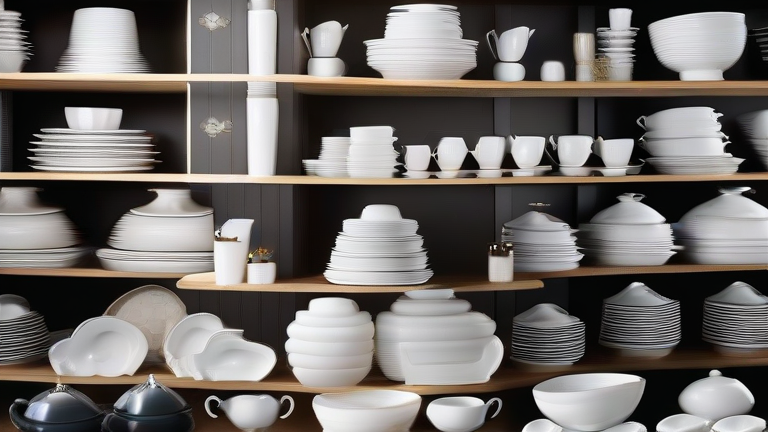
Complete Porcelain Buying Guide: How to Choose the Best for Business
TL;DR: To select the best porcelain for your business, prioritize high-fired, vitrified materials with specific thermal shock resistance to minimize breakage costs. Evaluate suppliers based on consistent glaze quality and bulk pricing structures that align with your projected service volume and aesthetic brand identity.
The commercial hospitality and retail sectors are increasingly turning to porcelain as a premium alternative to standard ceramic or stoneware. According to recent market analysis, the global tableware market is projected to grow at a CAGR of 4.5% over the next five years, driven largely by the demand for durable, aesthetically superior products in high-end dining establishments. Porcelain, characterized by its translucency, high density, and low water absorption rate, offers a distinct competitive advantage. However, the buying process is complex. Business buyers must navigate varying grades, firing temperatures, and manufacturer capabilities to ensure long-term profitability. This guide outlines the critical factors for making informed procurement decisions.
If you want to dig deeper, check out our guide on The Ultimate Porcelain Buying Guide: Tips for Quality & Dura.
Understanding Material Grades and Durability
Not all porcelain is created equal. For business applications, “fine porcelain” is often a marketing term rather than a technical specification. True commercial-grade porcelain must be fired at temperatures exceeding 1,260°C. This high-temperature process vitrifies the clay, creating a non-porous surface that resists staining and bacterial growth. A critical metric for business buyers is thermal shock resistance. If your establishment serves dishes that transition from freezer to oven or hot liquid to cold tableware, standard porcelain may crack. Look for suppliers who provide data on thermal shock testing standards, such as ASTM C695. Higher density porcelain, often referred to as “bone china” in some contexts, offers superior strength-to-weight ratios, reducing shipping costs and breakage rates during transport and service.
Strategic Procurement and Cost Analysis
Strategy insights suggest that the lowest unit price is rarely the most cost-effective option in the long run. A comprehensive Total Cost of Ownership (TCO) analysis must be performed. This includes the initial purchase price, freight costs, expected breakage rates, and replacement frequency. High-quality porcelain may cost 20-30% more upfront but can last three to five times longer than lower-grade alternatives. Furthermore, consistency is key. Inconsistent glaze application or shape variations can harm brand perception. Strategic buyers should request pre-production samples and, if possible, visit the factory or request a video audit of the production line. Establishing a direct relationship with the manufacturer, rather than a reseller, often allows for custom branding, such as embossed logos or specific glaze colors, enhancing brand identity without excessive premiums.
Case Studies: Success in the Field
Consider the case of “Urban Eats,” a mid-sized restaurant chain in New York. They switched from standard ceramic to high-fired white porcelain plates. While their initial inventory investment increased by 25%, their breakage rate dropped from 15% to 3% per month. Within eighteen months, the reduced replacement costs offset the initial premium. Another example is “Luxury Hotels Group,” which collaborated with a porcelain manufacturer to create a limited-edition collection. By investing in a custom glaze that matched their interior design, they achieved a 10% increase in guest satisfaction scores related to dining experience, demonstrating the ROI of aesthetic alignment with quality durability.
FAQ
Q: What is the minimum order quantity for custom porcelain business orders?
A: Most manufacturers require a minimum of 500 to 1,000 pieces per design to cover mold and kiln setup costs, though this varies by supplier.
Q: How can I verify if a supplier’s porcelain is truly high-fired?
A: Request a certificate of analysis or ask for the specific firing temperature range; true porcelain requires firing above 1,200°C to achieve vitrification.
Q: Is porcelain suitable for microwave and dishwasher use in commercial settings?
A: Yes, high-quality
Leave a Reply