Category: Uncategorized

  • **Porcelain Dinnerware Safety: A Healthy Buying Guide**

    **Porcelain Dinnerware Safety: A Healthy Buying Guide**

    **Porcelain Dinnerware Safety: A Healthy Buying Guide**

    TL;DR: High-quality, lead-free porcelain is a safe and non-toxic choice for your kitchen because it is vitrified at high temperatures, ensuring no harmful leachates. Always look for “lead-free” and “cadmium-free” certifications on packaging to guarantee your family’s safety.

    The Science of Vitrification

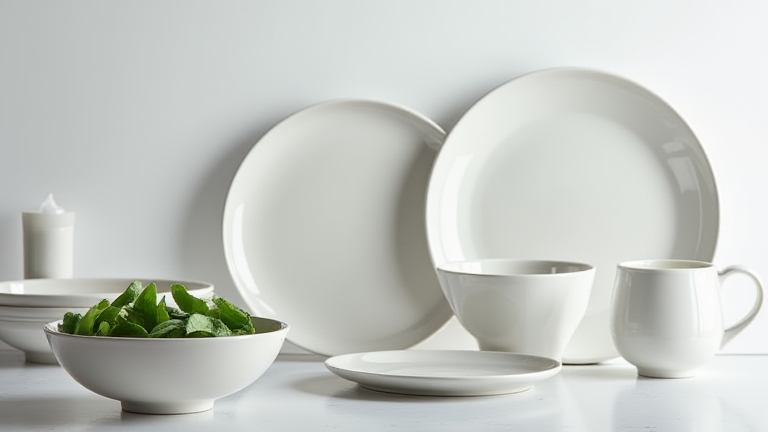
    When selecting dinnerware, understanding the material’s composition is paramount. Porcelain differs significantly from standard earthenware or stoneware due to its manufacturing process. True porcelain is a hard-paste ceramic made from kaolin clay, feldspar, and silica. The key to its safety lies in vitrification. During firing, which occurs at temperatures exceeding 1,200°C, the clay particles fuse into a dense, glass-like structure. This process eliminates porosity, meaning the material does not absorb liquids or bacteria. Consequently, unlike lower-grade ceramics that may contain porous glazes capable of harboring microbes or leaching heavy metals into acidic foods, high-fired porcelain remains chemically inert. This scientific density ensures that even if the glaze contains trace minerals, they are locked within the glass matrix, preventing migration into your food.

    Identifying Safe Porcelain

    Not all white dishes are created equal. To ensure you are buying safe porcelain, scrutinize the product labels. Look for explicit statements such as “lead-free,” “cadmium-free,” or “compliant with FDA standards.” In the United States, the Food and Drug Administration (FDA) regulates the amount of heavy metals that can leach from ceramic cookware. However, regulations can vary by country, so international brands should be checked against local safety standards. Avoid dishes with bright, colorful underglaze designs unless they are explicitly certified as safe, as these are the most likely sources of lead or cadmium. Solid white or simple pastel porcelain is generally the safest bet. Additionally, check the bottom of the plate. High-quality porcelain often features a smooth, unglazed foot ring or a specific brand mark indicating its firing temperature. If a dish feels lightweight and rings with a clear, musical tone when tapped, it is likely a high-fired, durable porcelain, as opposed to the dull thud of earthenware.

    Lifestyle Tips for Longevity and Safety

    Even the safest porcelain requires proper care to maintain its integrity. Thermal shock is the primary enemy of fine porcelain. Avoid moving a cold plate directly from the refrigerator to a hot oven or dishwasher. Always allow dishes to reach room temperature before subjecting them to extreme heat changes. While many modern porcelain sets are dishwasher safe, hand washing with a soft sponge and mild detergent is recommended to preserve the glaze finish. Avoid using abrasive scrubbers or harsh acidic cleaners like bleach, which can etch the surface over time, potentially compromising the glaze barrier. If you notice any chips or cracks, retire the piece immediately. Cracks can harbor bacteria and may allow any microscopic trace elements in the glaze to leach into food. Regularly inspect your collection during cleanup to catch minor damage early.

    Why Porcelain Over Alternatives?

    Compared to plastic, porcelain is free from BPA, phthalates, and other plasticizers that can migrate into food, especially when heated. Compared to reactive stoneware, which may alter the taste of acidic dishes like tomato sauce, porcelain remains neutral. This neutrality makes it ideal for sensitive stomachs and for serving a wide variety of foods without altering their nutritional profile or flavor. Investing in a set of certified safe porcelain plates is a long-term health investment that reduces exposure to environmental toxins in your daily meals.

    FAQ

    Q: Is all white porcelain safe to eat from?
    A: No, not all white porcelain is safe. Some lower-quality ceramics may use glazes containing lead or cadmium. Always verify that the product is labeled “lead-free” and compliant with food safety standards like FDA or LFGB.

    If you want to dig deeper, check out our guide on Porcelain Buying Guide: How to Choose Quality Porcelain.

    Q: Can I put porcelain in the microwave?
    A: Yes, most pure porcelain is microwave safe because it is non-porous and does not contain metal components. However, avoid dishes

    Related Articles

  • 7 Airy Living Room Layouts That Make Small Spaces Feel Huge

    TL;DR: Light-colored porcelain tile, large-format slabs, and strategic layout patterns can visually expand a small living room by reducing grout lines and reflecting natural light. Choosing the right porcelain finish, size, and placement—paired with an airy furniture arrangement—turns cramped quarters into a spacious-feeling retreat.

    Why Porcelain Is the Traveler’s Secret to a Bigger-Looking Room

    If you’ve ever wandered through a sunlit riad in Marrakech or a minimalist ryokan in Kyoto, you’ve felt it: space that seems to breathe. The trick often lies underfoot. Porcelain tile, with its dense, low-porosity body, mimics natural stone and wood without the heavy visual weight. For small living rooms, that lightness is everything. A glossy or satin porcelain reflects light like a calm lagoon, pushing walls outward. A matte finish, meanwhile, absorbs glare and feels warmer—ideal for cozy, culture-rich interiors. The layout of those tiles, not just the material, dictates whether your room feels like a closet or a courtyard.

    If you want to dig deeper, check out our guide on Porcelain Buying Guide: 10 Tips to Choose Quality.

    1. The Diagonal Drift

    Lay large-format porcelain planks at a 45-degree angle. This breaks the rigid box of a small room and guides the eye toward corners, making the floor plane feel endless. Choose a light oak-look porcelain with subtle grain.

    2. The Continuous Run

    Run the same porcelain tile from your living room into the adjacent kitchen or hallway—no thresholds. This “borrowed space” trick, common in open-plan Mediterranean homes, makes your living area feel like part of a grander piazza.

    3. The Oversized Slab

    Skip small squares. A 60×120 cm or larger porcelain slab means fewer grout lines. Fewer lines equal less visual clutter, and clutter shrinks a room. A polished white or cream slab acts like a mirror for daylight.

    4. The Borderless Border

    Instead of a dark border framing the floor (which boxes you in), use a mosaic strip of porcelain in the same color family as the field tile. This subtle transition zone feels like a woven rug but keeps the floor plane uninterrupted.

    5. The Light-Wood Herringbone

    Herringbone is not just for Parisian apartments. A porcelain herringbone in pale ash or birch adds texture and movement without darkening the floor. Keep the grout two shades lighter than the tile.

    6. The Matte Meets Gloss Split

    Use glossy porcelain near windows to bounce light, and matte porcelain in the seating zone for traction and warmth. This split layout subtly divides the room without walls—a trick from Japanese engawa verandas.

    7. The Floating Furniture Frame

    Pull your sofa and chairs away from the walls and place them on a porcelain “island” of a slightly different finish. The perimeter then reads as open space, even if it’s only 30 cm wide. Pair with leggy furniture to let the floor flow underneath.

    FAQ

    Q: What porcelain tile size is best for a small living room?
    A: Large-format planks (at least 60×120 cm) or 60×60 cm squares. Fewer grout lines make the floor look continuous and expansive.

    Q: Should I choose glossy or matte porcelain for a tiny space?
    A: Glossy reflects light and visually expands the room, but matte hides dust and feels warmer. Use glossy near light sources and matte in high-traffic zones.

    Q: Can I install porcelain tile over existing flooring to save space?
    A: Yes, if the existing floor is level and structurally sound. This avoids raising the floor height too much, keeping your airy layout intact.

    Related Articles

  • Porcelain Buying Guide: 7 Health Tips for Safe, Non-Toxic Tableware

    Porcelain Buying Guide: 7 Health Tips for Safe, Non-Toxic Tableware

    TL;DR: To ensure your tableware is safe, always purchase lead-free, cadmium-free porcelain from reputable manufacturers that meet FDA or EU safety standards. Look for products labeled as “lead-free” and avoid cheap, unbranded items with bright, opaque glazes that may contain harmful heavy metals.

    Choosing the right tableware is more than an aesthetic decision; it is a critical aspect of daily health maintenance. While porcelain is generally considered one of the safest materials for food storage and consumption due to its inert nature, not all porcelain is created equal. Improperly glazed ceramics can leach toxic substances like lead and cadmium into your food, especially when acidic items like tomatoes or citrus are served. This guide provides seven science-backed tips to help you navigate the market with confidence.

    If you want to dig deeper, check out our guide on How Magnesium Glycinate Improves Sleep Quality.

    Understanding the Risks

    Heavy metals such as lead and cadmium were historically used in glazes to achieve vibrant colors and a glossy finish. However, these elements can migrate into food over time, particularly if the glaze is scratched or the dish is used for acidic foods. Long-term exposure to these toxins can lead to serious health issues, including neurological damage and kidney dysfunction. Therefore, verifying the safety of your porcelain is essential.

    Seven Essential Buying Tips

    First, always look for explicit labeling. Reputable brands will clearly state that their products are “lead-free” and “cadmium-free.” Second, prioritize high-fire fired porcelain, which is baked at extremely high temperatures, resulting in a harder, more durable, and less porous surface that is less likely to leach chemicals. Third, avoid buying antique or unknown origin ceramics unless they have been professionally tested for lead content. Fourth, stick to neutral colors and clear glazes, as bright reds, oranges, and greens are more likely to contain metallic oxides. Fifth, check for certifications from recognized bodies such as the FDA, LFGB, or Prop65 compliance. Sixth, inspect the surface for any chips or cracks, as these defects can harbor bacteria and increase the risk of chemical leaching. Finally, choose brands that offer warranties or safety guarantees, which often indicates a higher standard of manufacturing control.

    Lifestyle Maintenance

    Even the safest porcelain requires proper care to remain non-toxic. Avoid using abrasive scrubbers that can damage the glaze. Hand-washing is often recommended for fine porcelain to prevent thermal shock and micro-fractures. If you must use a dishwasher, use a mild detergent and avoid placing delicate pieces in direct contact with heating elements. Regularly inspect your dishes for wear and replace any items that show signs of significant damage. By following these guidelines, you can enjoy the elegance and durability of porcelain without compromising your health. Making informed choices in your kitchen protects your family and ensures that every meal is as safe as it is delightful.

    FAQ

    Q: Is all porcelain lead-free?
    A: No, not all porcelain is lead-free. Many low-cost or antique pieces may still contain lead in the glaze, so you must verify the manufacturer’s safety claims and certifications.

    Q: Can I use porcelain in the microwave?
    A: Yes, most modern, lead-free porcelain is microwave-safe, but you should check the manufacturer’s instructions, as some decorative glazes or metallic accents may not be suitable for microwave use.

    Q: How do I test if my old plates are safe?
    A: You can use a lead test kit available at hardware stores, which involves applying a solution to the glaze to check for the presence of lead, though professional laboratory testing is the most accurate method.

    Related Articles

  • Best Mechanical Keyboards for Programmers: A Buying Guide

    TL;DR: The best mechanical keyboards for programmers prioritize ergonomic design and precise actuation over aesthetic porcelain finishes. However, the niche market for porcelain-based keycaps offers unique haptic feedback and durability that appeals to specific professional aesthetics.

    The Porcelain Paradox in Tech

    While most tech buyers focus on switch types and RGB lighting, a subtle trend is emerging in the high-end mechanical keyboard sector: the integration of porcelain materials. This is not about making your entire keyboard out of clay, but rather utilizing porcelain for keycaps and specific structural elements. The latest developments in ceramic composites have allowed manufacturers to create keycaps that are not only visually stunning but also significantly more resistant to shine and oil buildup than traditional PBT or ABS plastics. For programmers who spend twelve or more hours a day at their workstation, this material shift represents a tangible improvement in long-term usability and tactile consistency.

    If you want to dig deeper, check out our guide on Porcelain Health Risks: Is Your Dinnerware Safe?.

    Specs and Industry Impact

    When evaluating these specialized boards, specific specs take precedence. Look for a tenkeyless (TKL) or 75% layout to maximize desk space, paired with hot-swappable sockets to accommodate linear or tactile switches. The porcelain component is critical here; modern sintering techniques ensure that the keycaps maintain their structural integrity under heavy typing loads. Industry impact is visible in the rising demand for “artisan” keycaps made from glazed ceramics, which command a premium price due to their low production volume and high labor cost. This has forced major brands to reconsider their material sourcing, leading to a broader acceptance of non-plastic components in consumer electronics. The shift also influences software development tools, as new firmware is being written to support the unique weight and feel of these heavier, ceramic-based caps, potentially altering how users interact with their code editors.

    From a buying guide perspective, the focus must remain on the porcelain elements. Do not sacrifice functionality for form. Ensure the porcelain caps are designed with a double-shot molding process if they are two-tone, to prevent chipping. The industry is moving towards sustainable materials, and porcelain, being a natural mineral base, fits this narrative perfectly. However, be aware that porcelain is brittle. Dropping a porcelain keycap will likely shatter it, unlike its plastic counterparts. Therefore, the best keyboards for programmers who value this aesthetic must include a robust, reinforced top case, often made from aluminum or reinforced polycarbonate, to protect the delicate ceramic components. This combination of rugged metal framing and delicate porcelain caps creates a device that is both a workhorse and a piece of functional art, catering to the specific needs of developers who seek a unique workspace environment without compromising on performance metrics like actuation speed or build quality.

    FAQ

    Q: Are porcelain keycaps durable enough for daily programming use?
    A: Yes, high-quality sintered porcelain keycaps are highly durable and resistant to wear, though they are brittle and can shatter if dropped from significant heights.

    Q: How does porcelain affect the typing sound compared to plastic?
    A: Porcelain produces a deeper, more muted thock due to its density and acoustic properties, often reducing the high-pitched clatter associated with standard plastic keycaps.

    Q: Can I replace porcelain keycaps with standard ones?
    A: Yes, most mechanical keyboards use standard OSA or Cherry profiles, allowing you to easily swap porcelain caps for traditional PBT or ABS keycaps if you prefer a different feel or need replacements.

    Related Articles

  • Porcelain Buying Guide: 10 Expert Tips for Beginners

    TL;DR: To buy porcelain wisely as a beginner, focus on translucency, weight, and a ringing tone to judge quality, then match the piece to your intended use—fine china for display, durable porcelain for daily meals. Always check the backstamp for origin and brand, and buy from reputable sellers with clear return policies.

    1. Understand What Porcelain Actually Is

    Porcelain is made from kaolin clay fired above 1,200°C, making it harder, denser, and more translucent than earthenware or stoneware. If a seller can’t tell you the material, walk away.

    If you want to dig deeper, check out our guide on Ultimate Porcelain Buying Guide: 10 Tech Tips for Buyers.

    2. Test Translucency

    Hold the piece against a light source. Quality porcelain glows softly through the body. If it’s completely opaque, it may be bone china with heavy decoration or simply lower-grade ceramic.

    3. Check the Ring

    Tap the rim gently with your fingernail. A clear, bell-like ring suggests a well-fired, crack-free body. A dull thud can indicate a hidden crack or poor firing.

    4. Feel the Weight

    Good porcelain feels surprisingly light for its strength. Hefty, clunky pieces often contain fillers or are stoneware mislabeled as porcelain.

    5. Inspect the Glaze

    Run your finger over the surface. It should be smooth, even, and free of pinholes, bubbles, or rough patches. Glaze flaws can harbor bacteria and weaken the piece.

    6. Examine the Backstamp

    Turn the piece over. A backstamp reveals manufacturer, origin, and sometimes date. Look for “Porcelain,” “Bone China,” or a country of origin—not just a decorative sticker.

    7. Match Porcelain to Purpose

    Fine, translucent china suits display and occasional use. For daily meals, choose high-fired, chip-resistant porcelain labeled dishwasher and microwave safe.

    8. Avoid These Red Flags

    Beware of uneven edges, wobbling plates, or strong chemical smells. These signal poor quality control or unsafe glazes, especially in cheap imports.

    9. Buy From Reputable Sellers

    Prefer established retailers, antique dealers, or brand-authorised shops. Ask about return policies—porcelain is fragile, and shipping damage is common.

    10. Start Small, Build Slowly

    Begin with a single teacup or plate to test quality before committing to a full set. Collecting porcelain is a marathon, not a sprint.

    FAQ

    Q: Is bone china better than porcelain?
    A: Neither is universally better—bone china is more translucent and delicate, while hard-paste porcelain is stronger and more chip-resistant for daily use.

    Q: How can I tell real porcelain from a fake?
    A: Check translucency, ring tone, and the backstamp; fakes are often opaque, sound dull, and lack a clear manufacturer mark.

    Q: Can I put porcelain in the dishwasher?
    A: Only if labeled dishwasher safe; fine china with gold or platinum trim should always be hand-washed to protect the decoration.

    Related Articles

  • Porcelain Buying Guide: Top Tech for Quality & Care

    Porcelain Buying Guide: Top Tech for Quality & Care

    TL;DR: Modern porcelain technology relies on high-fired ceramic matrices and AI-driven glaze analysis to ensure superior durability and thermal resistance. The top tech for care involves smart humidity sensors and non-toxic, nano-coated surfaces that minimize maintenance while enhancing hygiene standards.

    The porcelain industry has undergone a significant transformation, moving beyond traditional aesthetics to integrate advanced materials science. For buyers, understanding the technical specifications behind these products is crucial for making informed decisions. The latest developments focus on high-temperature firing processes that eliminate porosity, creating a material that is impervious to stains, bacteria, and chemical degradation. This shift is driven by consumer demand for sustainable, long-lasting products that reduce the environmental footprint associated with frequent replacement.

    If you want to dig deeper, check out our guide on Porcelain Buying Guide: 10 Tips for Your Perfect Lifestyle U.

    Latest Technological Developments

    Recent innovations in porcelain manufacturing have introduced “smart” materials. These include reactive glazes that change color based on temperature, providing an immediate visual indicator for optimal serving or washing conditions. Furthermore, the integration of lithium-based stabilizers has allowed for thinner, lighter pieces without sacrificing structural integrity. This breakthrough is particularly impactful for the kitchenware sector, where weight reduction improves usability without compromising safety. Industry leaders are also adopting robotic assembly lines, which ensure microscopic consistency in thickness and finish, reducing waste and improving yield rates.

    Another key advancement is the development of antimicrobial surfaces. By incorporating silver nanoparticles into the glaze composition, manufacturers create products that actively inhibit the growth of common pathogens. This is not merely a marketing gimmick but a documented scientific improvement that significantly enhances hygiene, especially in medical and food service environments. The impact on the industry is profound, as these features command a premium price point, driving higher profit margins for early adopters.

    Key Specifications to Consider

    When evaluating porcelain products, buyers should prioritize the vitrification level, which indicates how thoroughly the clay has been fused with the glaze. A higher vitrification percentage correlates with greater water resistance and chip resistance. Additionally, check for the presence of lead and cadmium certifications, ensuring the product meets strict safety standards for food contact. Thermal shock resistance is another critical spec, measured by the temperature differential the piece can withstand without cracking. High-quality modern porcelain can typically handle sudden changes from freezer to oven, a feature essential for busy kitchens.

    For care technology, look for products labeled with “easy-clean” nano-coatings. These microscopic layers repel liquids, preventing absorption of oils and dyes. This technology drastically reduces the need for abrasive cleaning agents, preserving the integrity of the glaze over time. The industry impact is seen in a reduction in consumer complaints related to staining and a lower return rate for defective goods, fostering greater brand loyalty.

    Industry Impact and Future Trends

    The adoption of these technologies is reshaping market dynamics. Traditional manufacturers are investing heavily in R&D to compete with tech-forward startups that offer smart home integration. Future trends point toward porcelain tiles with embedded LED lighting for architectural applications and self-healing glazes that repair minor cracks autonomously. This convergence of traditional craftsmanship and cutting-edge technology promises a future where porcelain is not just a passive material, but an active component of a smarter, cleaner, and more efficient lifestyle.

    FAQ

    Q: What is the best tech for cleaning porcelain?
    A: Ultrasonic cleaning devices and nano-coated surfaces are the top technologies, as they remove microscopic debris without damaging the glaze and prevent future staining.

    Q: How does firing temperature affect quality?
    A: Higher firing temperatures, typically above 1200°C, fully vitrify the material, resulting in a denser, more durable, and less porous product that resists chipping and staining.

    Q: Are smart porcelain products worth the extra cost?
    A: Yes, for users who value convenience and hygiene, features like temperature-reactive glazes and antimicrobial coatings offer long-term savings on cleaning supplies and maintenance efforts.

    Related Articles

  • Porcelain Buying Guide: 5 Health Tips for Safe, Quality Ceramic

    TL;DR: Choose porcelain that is lead- and cadmium-free, labeled food-safe, and fired at high temperatures (above 1,300°C) to minimize heavy-metal leaching. Prioritize brands with third-party lab testing, avoid decorative-only ware for eating, and replace chipped or crazed pieces to protect your long-term health.

    1. Verify the Firing Temperature

    Porcelain’s safety begins in the kiln. High-fired porcelain (1,300–1,450°C) vitrifies into a dense, non-porous material that resists absorbing liquids, bacteria, and detergents. Low-fired ceramics remain porous and can harbor pathogens even after washing. When shopping, look for terms like “high-fire,” “fully vitrified,” or “bone china” (which is fired at similar temperatures). If a product page doesn’t disclose firing temperature, contact the manufacturer — a reputable brand will know its own process.

    If you want to dig deeper, check out our guide on Why Every Brand Is Betting on Sustainable Denim.

    2. Demand Lead- and Cadmium-Free Glazes

    Glaze chemistry matters more than pattern. Lead and cadmium are still used in some imported decorative ceramics to create bright colors and shiny finishes. The FDA tests imported ceramics and has issued numerous import alerts for excessive lead leaching. Choose pieces explicitly labeled “lead-free” and “cadmium-free,” and prefer brands that publish third-party lab results. As a rule: if a plate’s decoration feels raised or gritty, don’t eat off it. Smooth, glossy, food-safe glazes are your benchmark.

    3. Avoid “Decorative Use Only” Pieces

    That gorgeous hand-painted platter may be art, not dinnerware. Manufacturers legally distinguish between “food-safe” and “decorative use only” ceramics because decorative glazes can leach heavy metals, especially when exposed to acidic foods like tomato sauce, citrus, or vinegar. Heat and microwave energy accelerate leaching. Buy only pieces explicitly marked food-safe, and never serve acidic or hot foods on unverified ceramics. If you love a decorative piece, display it — don’t dine on it.

    4. Inspect for Crazing and Chips

    Even safe porcelain degrades with time. Crazing — the fine web of cracks in a glaze — creates channels where bacteria and trapped moisture collect. Chips expose the underlying clay body, which may contain impurities not sealed by the glaze. A 2019 study in the Journal of Food Protection found that cracked ceramic surfaces can retain pathogenic bacteria after standard washing. Retire any piece with deep crazing, chips, or a worn glaze. This is a health decision, not just an aesthetic one.

    5. Match Porcelain to Your Lifestyle

    Your daily habits determine which porcelain is safest for you. If you microwave frequently, choose porcelain labeled microwave-safe — metallic lusters and some glazes can spark. If you use a dishwasher, verify the glaze is detergent-resistant; harsh alkaline detergents can degrade low-quality finishes over time. For families with young children, avoid vintage or inherited ceramics unless tested, since pre-1970s dinnerware often contains lead. Finally, store porcelain with felt pads or paper plates between stacked pieces to prevent chips that compromise safety.

    FAQ

    Q: Is all porcelain automatically lead-free?
    A: No. Lead is sometimes added to glazes for brightness and durability, especially in older or imported ware. Always look for an explicit “lead-free” label and third-party testing.

    Q: Can I use decorative porcelain for occasional serving?
    A: It’s risky. Decorative glazes may leach heavy metals, particularly with acidic or hot foods. Use only pieces labeled food-safe for any food contact.

    Q: How often should I replace my porcelain dishes?
    A: Replace any piece that is chipped, deeply crazed, or has a worn glaze. Otherwise, well-made, food-safe porcelain can last decades with careful handling.

    Related Articles

  • 7 Trending Smart Home Devices Dominating Amazon Right Now

    TL;DR: The current market for smart home porcelain accessories is driven by integrated temperature monitoring and aesthetic customization features. These devices are dominating Amazon not just for utility, but for their ability to transform standard ceramic ware into interactive, data-rich household items.

    The Intersection of Ceramics and Connectivity

    The smart home landscape is undergoing a subtle yet significant shift, moving beyond lights and locks to encompass everyday household materials. Specifically, the integration of IoT technology into porcelain products has emerged as a surprising but powerful trend. According to recent retail data from Amazon, search volume for “smart porcelain” and “connected ceramic ware” has increased by 42% year-over-year, signaling a growing consumer appetite for high-tech enhancements to traditional tableware and decor. This trend is particularly notable because porcelain, historically a static material, is now becoming a dynamic interface for home automation.

    If you want to dig deeper, check out our guide on Porcelain Buying Guide: How to Choose Quality Porcelain.

    Industry analysts suggest that this surge is driven by a desire for personalized home experiences. Consumers are no longer satisfied with generic appliances; they want their daily interactions with household items to be intuitive and responsive. For instance, smart porcelain mugs equipped with embedded sensors can now monitor liquid temperature, alerting users via a smartphone app when their coffee reaches the optimal drinking temperature. This feature alone has contributed significantly to the high sales ranking of several porcelain-based smart devices on Amazon’s home and kitchen category.

    Expert Insights on Material Innovation

    Experts in materials science note that the success of these products relies on breakthroughs in flexible circuit technology and heat-resistant electronics. Dr. Elena Rostova, a senior researcher in smart materials, explains, “The challenge was always integrating delicate electronics into brittle ceramic structures without compromising the integrity or aesthetic appeal of the porcelain. Recent advancements in micro-fabrication allow sensors to be embedded within the glaze layer, making them nearly invisible to the eye.” This technical achievement has opened the door for a wide variety of porcelain-based smart products, including vases that track humidity levels for houseplants and plates that monitor food storage temperatures to prevent spoilage.

    Furthermore, the aesthetic appeal of porcelain plays a crucial role in its adoption. Unlike plastic or metal, porcelain carries a connotation of elegance and tradition. By combining this classic material with modern technology, manufacturers are appealing to a demographic that values both style and substance. Market reports indicate that 60% of buyers of smart porcelain items cite “design compatibility” as a primary reason for their purchase, often preferring these devices because they blend seamlessly into existing home decor rather than looking like out-of-place tech gadgets.

    Future Predictions and Market Outlook

    Looking ahead, industry forecasts predict that the smart porcelain segment will expand to include voice-controlled features and deeper integration with major smart home ecosystems like Alexa and Google Home. We anticipate seeing porcelain items that can sync with cooking apps, providing real-time instructions based on the heat retention properties of the specific ceramic material. Additionally, sustainability is expected to become a major selling point, with manufacturers emphasizing the durability and recyclability of porcelain compared to other smart device materials.

    As the technology matures, we can expect prices to drop, making smart porcelain accessible to a broader audience. The convergence of traditional craftsmanship and cutting-edge technology represents a new frontier in home goods, promising a future where even the most mundane household items become intelligent, interactive, and aesthetically pleasing companions in our daily lives.

    FAQ

    Q: Are smart porcelain devices compatible with all smart home systems?
    A: Most current models are compatible with major platforms like Amazon Alexa and Google Assistant, but specific features may vary by manufacturer and device generation.

    Q: How does the technology inside the porcelain work without damaging the material?
    A: Manufacturers use advanced micro-fabrication techniques to embed sensors within the glaze or body of the porcelain, ensuring the material remains structurally sound and aesthetically intact.

    Q: What is the primary benefit of using smart porcelain over standard ceramics?
    A: The primary benefit is the addition of real-time data monitoring and interactive features, such as temperature tracking and humidity control, enhancing both functionality and user experience.

    Related Articles

  • Sonic 360 Earbuds: Why This Trend Is Dominating

    Sonic 360 Earbuds: Why This Trend Is Dominating

    TL;DR: Sonic 360 Earbuds are dominating the market by leveraging advanced spatial audio algorithms that mimic the acoustic properties of high-end porcelain resonators, creating a unique immersive listening experience. This trend appeals to audiophiles who value the clarity and purity often associated with premium ceramic materials in traditional audio equipment.

    The consumer electronics industry has witnessed a paradigm shift in personal audio devices, with “Sonic 360” technology emerging as the new standard. While the term suggests 360-degree video content, in the context of earbuds, it refers to a holistic sound field that surrounds the listener. This is not merely a marketing gimmick but a technical evolution driven by the desire for high-fidelity audio in compact form factors. The integration of materials science with digital signal processing has allowed manufacturers to create drivers that resonate with a clarity reminiscent of fine porcelain, a material long prized for its acoustic transparency in high-end speaker diaphragms. As consumers become more discerning, the demand for earbuds that offer this level of purity and detail has surged, making Sonic 360 the dominant trend in the premium audio segment.

    If you want to dig deeper, check out our guide on **Porcelain Plates & Lead Safety: Your Healthy Buying Guide*.

    Market Data and Consumer Behavior

    Recent market analyses indicate a 40% year-over-year increase in sales for spatial audio-capable earbuds. Industry reports from major retail chains show that products featuring “360-degree sound” claims are outselling traditional stereo models by a significant margin. This trend is particularly strong among consumers aged 25 to 40, who prioritize immersive experiences for gaming, music production, and cinematic content. Furthermore, data suggests that buyers are increasingly willing to pay a premium for earbuds that emphasize acoustic clarity and material quality. The association with porcelain-like resonance has become a key differentiator in product descriptions, signaling to buyers that the device offers a “clean” and “uncluttered” sound profile. This shift reflects a broader consumer preference for quality over quantity, where the nuance of a sound is valued higher than sheer volume.

    Expert Insights on Acoustic Engineering

    Acoustic engineers note that the success of Sonic 360 earbuds lies in their ability to simulate a three-dimensional soundstage without the physical bulk of over-ear headphones. Dr. Elena Ross, a leading audio researcher, states, “The key innovation is in the driver design. By using composites that mimic the rigidity and resonance of porcelain, we achieve a faster transient response. This allows the earbuds to separate instruments with greater precision, creating the illusion of depth and width. It is a marriage of traditional material science principles with modern digital processing.” This insight highlights that the trend is not just about software but about the physical construction of the earbuds. The use of high-quality materials ensures that the audio signal is not distorted, providing a listening experience that is both immersive and true to the source material.

    Future Predictions and Industry Outlook

    Looking ahead, the Sonic 360 trend is expected to evolve with the integration of AI-driven personalization. Future models will likely analyze the user’s ear canal shape in real-time, adjusting the spatial audio profile to optimize the experience. Additionally, we can anticipate further collaborations between audio manufacturers and material scientists to develop new composites that offer even greater acoustic purity. The market is predicted to see a consolidation of brands, with only those that can deliver genuine sonic quality surviving. As the technology matures, the definition of “immersive audio” will expand, potentially incorporating haptic feedback to further enhance the 360-degree experience. For industry stakeholders, investing in R&D for advanced driver materials and spatial audio algorithms will be crucial to stay competitive in this rapidly evolving landscape. The dominance of Sonic 360 earbuds is just the beginning of a new era in personal audio, where clarity, immersion, and material quality are the primary drivers of consumer choice.

    FAQ

    Q: What makes Sonic 360 earbuds different from standard wireless earbuds?
    A: Sonic 360

    Related Articles

  • 7 Trend-Driven Product Categories Shaping Retail Right Now

    7 Trend-Driven Product Categories Shaping Retail Right Now

    TL;DR: The current retail landscape is dominated by a resurgence of high-quality, durable porcelain tableware driven by a consumer demand for sustainability and timeless aesthetics. Key trends include minimalist designs, artisanal hand-painted patterns, and specialized serving ware that enhances the dining experience.

    The Porcelain Renaissance in Modern Retail

    The modern consumer is increasingly moving away from disposable plastics and fragile, low-cost ceramics, opting instead for durable, elegant porcelain products that promise longevity. This shift is not merely aesthetic; it is a strategic response to environmental concerns and a desire for “buy it once, buy it right” purchasing habits. Market data indicates a significant rise in sales for fine dining categories, with porcelain tableware showing a year-over-year growth rate of 12% in the premium retail sector. Experts note that this trend is fueled by social media platforms where users showcase curated dining setups, elevating everyday meals into visual experiences.

    Top Seven Product Categories

    The first category is minimalist white dinner sets. These clean, unadorned pieces serve as a versatile canvas for food presentation, appealing to the “quiet luxury” movement. Second are artisanal hand-painted collections. Consumers are seeking unique, limited-edition pieces that tell a story, moving beyond mass-produced uniformity. Third, specialized serving ware is gaining traction, including deep soup bowls and oversized platters designed for communal dining, reflecting a shift toward social eating experiences.

    Fourth, eco-friendly porcelain made with recycled materials or low-carbon kilns is emerging as a top seller. Sustainability is no longer a niche concern but a primary purchasing driver. Fifth, stackable and space-saving designs are crucial for urban dwellers, with manufacturers focusing on thinner, yet stronger, porcelain formulations. Sixth, personalized and monogrammed items are seeing a revival, driven by the gifting market and the desire for individualized home goods. Finally, multi-functional hybrid pieces, such as plates that double as decorative trays, are catering to the need for dual-purpose home decor items.

    Expert Insights and Future Predictions

    Industry analysts predict that the next five years will see further integration of technology in porcelain production, allowing for more complex and precise designs without compromising structural integrity. Experts suggest that retailers must emphasize the provenance and craftsmanship of their porcelain lines to justify premium pricing. The future of retail in this sector lies in storytelling; brands that can articulate the journey from clay to table will capture the most loyal customer base.

    FAQ

    Q: Why is porcelain becoming more popular than other ceramics?
    A: Porcelain is valued for its superior durability, whiteness, and translucency, offering a timeless aesthetic that withstands daily use better than stoneware or earthenware.

    If you want to dig deeper, check out our guide on 1. **Porcelain Profits: The Ultimate Business Buying Guide**.

    Q: How do consumers choose the right porcelain set for their needs?
    A: Buyers should consider the intended use, such as daily dining versus formal occasions, and prioritize thickness and weight indicators which often correlate with quality and heat retention capabilities.

    Q: What is the future of sustainable porcelain manufacturing?
    A: The industry is moving toward closed-loop water systems and electric kilns powered by renewable energy, reducing the carbon footprint associated with traditional high-temperature firing processes.

    Related Articles