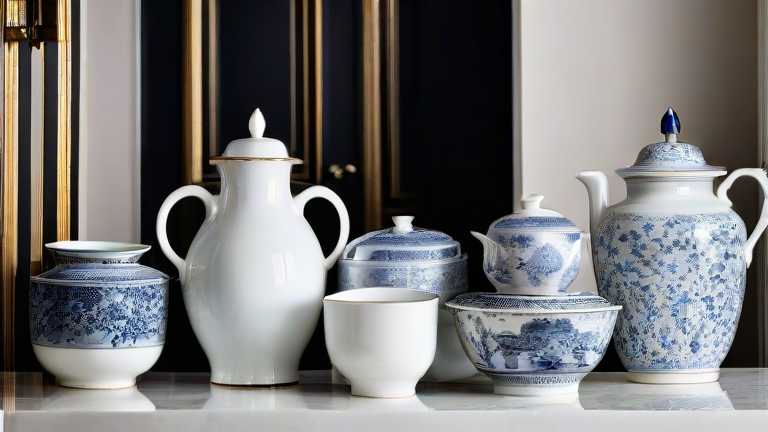
TL;DR: Selecting high-quality porcelain for your home is a crucial health and wellness decision that ensures a durable, non-porous, and hygienic surface for daily living. By prioritizing lead-free materials and proper firing techniques, you protect your family from toxic exposure while maintaining an aesthetically pleasing and functional living environment.
The Importance of Material Integrity
When considering health and wellness in the context of home decor and functional items, the material composition of porcelain plays a pivotal role. Porcelain is not just about aesthetics; it is a material choice that directly impacts your daily health. Unlike lower-quality ceramics, true porcelain is fired at extremely high temperatures, resulting in a dense, non-porous structure. This density is vital for hygiene because it prevents the absorption of liquids, bacteria, and mold. In a wellness-focused household, this means that mugs, plates, and bathroom fixtures made from high-grade porcelain are easier to sanitize and less likely to harbor harmful pathogens. Understanding the science behind the firing process helps consumers make informed decisions that prioritize long-term health over temporary visual appeal.
Identifying Safe, Lead-Free Porcelain
One of the most critical aspects of a porcelain buying guide is ensuring the product is free from harmful lead and cadmium. These heavy metals can leach into food and drinks, particularly if the glaze is acidic or damaged. To ensure safety, always look for explicit “lead-free” and “cadmium-free” certifications on packaging. Reputable manufacturers will provide detailed safety data sheets. Additionally, the source of the clay matters. Some regions have higher natural mineral content that may require special processing to remove impurities. By choosing products from certified suppliers, you eliminate the risk of chronic exposure to toxic substances. This step is non-negotiable for any health-conscious consumer looking to upgrade their kitchenware or bathroom accessories. The investment in safe materials is an investment in your family’s long-term physical well-being.
Durability as a Wellness Factor
Wellness is also about reducing stress and clutter. Porcelain that chips or cracks easily contributes to a sense of disorder and requires frequent replacement, which is both environmentally unsustainable and financially stressful. High-quality porcelain is incredibly hard and resistant to thermal shock, meaning it can withstand the transition from a cold fridge to a hot microwave without cracking. This durability ensures that your items remain safe and functional for decades. A stable, reliable set of dishes or fixtures reduces the mental load of maintaining a household. When you know your items are robust and safe, you can focus more on enjoying your meals and living spaces rather than worrying about hidden hazards or frequent repairs. This psychological benefit is a key component of holistic health and wellness.
Maintenance and Hygiene Best Practices
Proper care of porcelain items further enhances their health benefits. Because high-grade porcelain is non-porous, it requires less abrasive cleaning than lower-quality alternatives. Avoid using harsh chemical cleaners that can degrade the glaze over time. Instead, use mild dish soap and warm water. For dishwasher safety, check the manufacturer’s guidelines, but most high-quality porcelain is dishwasher-safe. Regular inspection for hairline cracks is also recommended, as these can harbor bacteria. By maintaining the integrity of the glaze, you ensure that the surface remains a barrier against contaminants. This simple routine supports a clean and healthy home environment, aligning with broader wellness goals of purity and safety in your daily routine.
FAQ
Q: How can I tell if porcelain is truly high-quality?
A: Look for a bright, clear ring when tapped, a smooth, glossy finish, and explicit safety certifications indicating lead-free and food-grade materials.
If you want to dig deeper, check out our guide on Porcelain Buying Guide: Tips for Business Buyers.
Q: Is all porcelain safe for microwave use?
A: Most high-quality, lead-free porcelain is microwave-safe, but you should always check the manufacturer’s label to ensure no metallic components or special glazes are present.
Q: Does the color of porcelain affect its safety?
A: The color itself does not determine safety, but the dyes used can; always choose from reputable brands that guarantee non-toxic, food-safe pigments and glazes.