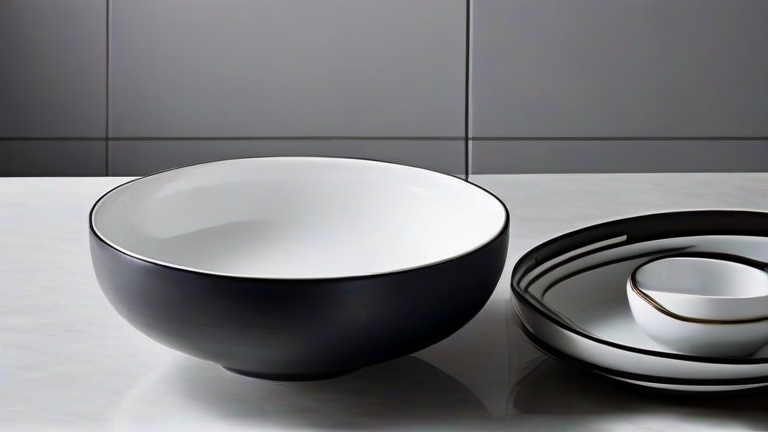
Porcelain Buying Guide: How to Choose the Perfect Piece
TL;DR: Select high-fired hard porcelain with a smooth, even glaze and consistent thickness to ensure durability and aesthetic appeal. Always verify the manufacturer’s reputation for thermal shock resistance before purchasing to avoid costly breaks.
Choosing the right porcelain can transform your dining experience, blending elegance with practicality. However, the market is flooded with options ranging from delicate bone china to robust stoneware-look porcelains, making the decision daunting for many consumers. This guide breaks down the essential features you need to consider to find a piece that lasts a lifetime. Whether you are updating your tableware or acquiring a decorative vase, understanding the nuances of material quality is paramount for a satisfying purchase.
If you want to dig deeper, check out our guide on 10 Porcelain Buying Guide Secrets for Perfect Dinnerware.
Key Feature Highlights
The primary indicator of quality porcelain is its firing temperature. True hard porcelain is fired at temperatures exceeding 1,200 degrees Celsius, resulting in a dense, non-porous body. This density ensures that the material is highly resistant to chipping and staining. When inspecting a piece, look for a pure white or translucent white finish. Hold the piece up to a light source; high-quality porcelain should allow some light to pass through, indicating its fine, tight structure. Additionally, check the glaze quality. It should be glossy, uniform, and free of bubbles or pinholes. A well-applied glaze enhances the visual appeal and makes the surface easier to clean, resisting the absorption of liquids and food particles.
Weight and balance are also critical features. High-grade porcelain feels substantial yet manageable. It should not feel flimsy or overly heavy. The edges should be sharp and precise, without any roughness that could indicate poor manufacturing. For dinnerware, check the stacking compatibility. Pieces that stack neatly without excessive gaps or pressure points are better designed for storage. Furthermore, consider the microwave and dishwasher safety ratings. While most modern porcelains are safe for both, some delicate designs or those with metallic accents require hand washing and manual microwave use to prevent damage.
Comparisons and Considerations
When comparing different brands, focus on consistency. Some mass-produced items may have variations in color or thickness between pieces in the same set. Premium brands maintain strict quality control, ensuring that every plate in a set looks identical. Compare the price point against the material origin. Porcelain from established regions often commands a higher price but offers superior longevity. Cheaper alternatives may use lower-grade kaolin clay, which can lead to crazing over time. Crazing refers to fine cracks that develop in the glaze due to thermal stress or age. To mitigate this risk, prioritize brands that offer warranties against cracking and chipping.
Another comparison factor is the design versatility. Neutral patterns and minimalist styles tend to remain in fashion longer than trendy prints. If you are buying for a specific occasion, consider the theme, but for everyday use, timeless designs are a safer investment. Also, compare the packaging. Porcelain is fragile, so robust packaging is essential for shipping and storage. Look for individual wrapping for each piece to prevent scratching during transit.
Make Your Selection Today
Do not wait for the perfect piece to find you. Visit reputable retailers or online stores that specialize in fine ceramics. Read customer reviews to gauge real-world performance and durability. Take advantage of return policies if a piece does not meet your expectations. By applying these criteria, you can confidently select porcelain that complements your lifestyle and elevates your home. Invest in quality today to enjoy beauty and functionality for years to come.
FAQ
Q: Is porcelain safe for microwave use?
A: Yes, most solid white porcelain is microwave safe, but avoid pieces with metallic accents or special glazes that may spark or melt.
Q: How can I tell if porcelain is high quality?
A: Hold it to the light to check for translucency and tap two pieces together; high quality porcelain produces a clear, ringing tone.
Q: What is the difference between porcelain and ceramic?<br
Leave a Reply