Porcelain Buying Guide: Top Tips for Style, Durability & Care
TL;DR: Choose bone or hard-paste porcelain for superior durability and elegance, ensuring it is microwave and dishwasher safe for modern convenience. Prioritize seamless glazing and a thick rim to prevent chipping, extending the life of your tableware through proper storage and gentle cleaning.
Porcelain is more than just dinnerware; it is a canvas for culinary art and a reflection of personal taste. Whether you are setting the stage for a grand holiday feast or simply enjoying a quiet morning coffee, the right porcelain can elevate your daily rituals. However, navigating the market can be overwhelming. With so many types, finishes, and price points, how do you ensure you are investing in pieces that last? This guide focuses on selecting high-quality porcelain that balances aesthetic appeal with practical longevity, allowing you to curate a collection that serves both function and beauty.
If you want to dig deeper, check out our guide on Porcelain Buying Guide: 10 Tips for Elegant Home Decor.
Understanding the Material: Bone vs. Hard Paste
Not all white ceramics are created equal. The primary distinction lies in the clay composition. Bone porcelain, often considered the gold standard, contains at least forty percent bone ash. This addition gives the material a unique translucency and a warm, creamy white tone that feels luxurious in the hand. It is also incredibly strong relative to its weight, making it ideal for heirloom pieces. Hard-paste porcelain, on the other hand, is fired at extremely high temperatures without bone ash. It is denser and more opaque, offering excellent chip resistance and a bright, cool white finish. For everyday use, hard-paste is often the smarter choice due to its robustness, while bone porcelain shines in formal settings where visual elegance is paramount.
Style and Aesthetics: Matching Your Lifestyle
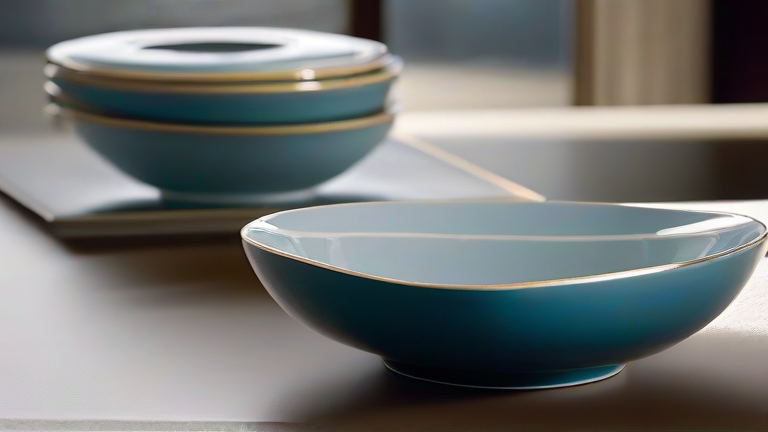
Consider how your dining habits align with your aesthetic preferences. If you favor minimalist, modern decor, look for rimless plates or those with subtle, geometric patterns. These designs are versatile and can transition easily from casual brunches to intimate dinners. Conversely, if you lean towards traditional or romantic styles, ornate borders and floral motifs can add a layer of sophistication. Pay attention to the rim thickness. A thicker rim provides a better grip and adds structural integrity, while a thin rim offers a delicate, refined look. Always check the underside of the piece; high-quality porcelain will have a smooth, unmarked base. Avoid items with visible glaze lines or rough edges, as these are potential weak points.
Care and Maintenance: Maximizing Longevity
Even the most durable porcelain requires proper care to maintain its luster. Most modern porcelain is dishwasher safe, but it is wise to place pieces on the top rack to avoid intense heat and pressure from spray arms. Avoid mixing porcelain with other heavy items in the dishwasher, as collisions can cause micro-chips over time. When hand washing, use a soft sponge and mild detergent. If you notice any chips, remove the piece from rotation immediately to prevent further damage and potential injury. Store plates vertically in a cabinet with a dividers to prevent stacking, which can lead to stress fractures. By following these simple steps, your porcelain will remain pristine for decades, becoming a cherished part of your home’s history.
FAQ
Q: Is bone porcelain stronger than regular porcelain?
A: Yes, bone porcelain is generally stronger and more resistant to chipping due to the addition of bone ash, which increases its tensile strength and durability compared to standard hard-paste porcelain.
Q: Can I use porcelain in the oven?
A: Only if the manufacturer explicitly states it is oven-safe. Most decorative or thin-rimmed porcelain is not designed for high-heat cooking, so always check the product specifications before exposing it to oven temperatures.
Q: How do I clean stained porcelain without damaging it?
A: Create a paste of baking soda and water, apply it to the stain, and gently rub with a soft cloth. Avoid abrasive scrubbers or harsh chemicals, as these can scratch the glaze and compromise the surface finish.
Leave a Reply