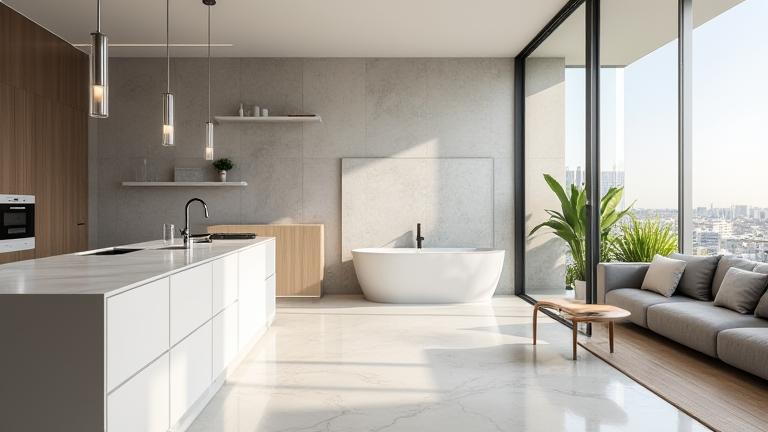
TL;DR: Choose porcelain based on your daily usage habits, prioritizing durability for frequent washing or elegance for special occasions. Match the piece’s weight, glaze, and design to your specific lifestyle needs, whether you value minimalist aesthetics or rich cultural heritage.
The Weight of Tradition
Porcelain is not merely a material; it is a statement of living. Unlike earthenware, which is porous and heavy, true porcelain is fired at high temperatures, creating a dense, translucent, and incredibly durable substance. When selecting pieces for your home, you are not just buying dinnerware or decor; you are investing in a tactile experience that influences your daily rituals. The choice between bone china, hard-paste, and soft-paste porcelain can drastically alter how you interact with your food and the atmosphere of your dining space. A lighter bone china plate allows for a delicate, graceful eating experience, while the weight of hard-paste porcelain can ground a meal, making it feel more substantial and ceremonial. Understanding these nuances is the first step in curating a collection that truly serves your lifestyle.
If you want to dig deeper, check out our guide on Porcelain Buying Guide: 7 Tips to Find the Perfect Lifestyle.
Durability vs. Delicacy
For the busy professional who eats on the go or hosts large, lively dinners, durability is paramount. Look for modern industrial porcelain that is microwave, dishwasher, and freezer safe. These pieces are engineered to withstand the rigors of modern life without chipping or crazing. The glaze is critical here; a high-quality glaze resists staining from tomato sauces, coffee, or tea, ensuring your pieces look pristine after hundreds of washes. On the other hand, if your lifestyle revolves around slow mornings and curated evening gatherings, you might prioritize aesthetic perfection over utility. Hand-thrown artisanal porcelain, often sourced from traditional regions like Jingdezhen in China or Limoges in France, offers unique variations in texture and color that mass-produced items cannot replicate. These pieces may require hand washing and careful handling, but they reward you with a deep sense of connection to the craft and the culture behind the object.
Cultural Resonance and Personal Growth
Buying porcelain is also an act of cultural engagement. Each style tells a story. The stark white of English bone china speaks to a tradition of simplicity and elegance, while the vibrant cobalt blue and white of traditional Chinese porcelain connects you to centuries of artistic evolution. Incorporating these pieces into your home can foster a sense of mindfulness. Using a beautiful teapot or a unique bowl encourages you to slow down, appreciate the craftsmanship, and be present in the moment. It is a form of personal growth through consumption, where you move away from disposable trends and toward timeless objects that hold meaning. Consider the origin of your porcelain. Supporting small workshops or ethical manufacturers ensures that your purchase contributes positively to the global craft community. This conscious approach transforms a simple grocery store purchase into a meaningful act of stewardship and appreciation.
Matching the Piece to the Person
Ultimately, the best porcelain is the one that makes you happy. If you are a minimalist, seek out clean lines and neutral tones that blend seamlessly into your space. If you are an entertainer, invest in a versatile set that can transition from casual weeknight meals to formal holidays. Pay attention to the shape and size. Deep bowls are ideal for soups and stews, while flat plates are better for showcasing plated dishes. The handle of a mug should fit naturally in your hand, and the lip of a cup should feel comfortable against your lips. These small details make a significant difference in your daily satisfaction. By aligning your porcelain choices with your personal values and routines, you create a home environment that supports and enhances your quality of life.
FAQ
Q: What is the difference between bone china and porcelain?
A: Bone china contains bone ash, making it lighter, stronger, and more translucent than standard porcelain, which is typically made from kaolin clay and feldspar.
Q: How should I store porcelain to prevent damage?
A: Store pieces in a dry, cool place, using felt or paper padding between items to prevent scratching and chipping during stacking.</p
Leave a Reply