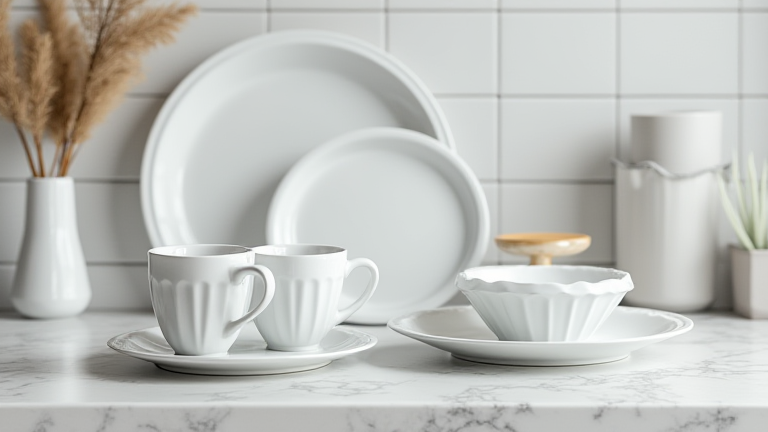
Porcelain Buying Guide: 7 Tips to Choose the Perfect Set
TL;DR: Select high-quality porcelain by checking for a thin, bright ring when tapped and a smooth, glazed finish. Prioritize sets with consistent sizing and durable materials that suit your daily usage needs.
Understanding Material Quality
When purchasing porcelain, the primary feature to evaluate is the material composition. True porcelain is fired at extremely high temperatures, resulting in a dense, non-porous body. Unlike earthenware, it does not absorb liquids, making it hygienic and easy to clean. Look for sets that specify “vitrified” or “fine porcelain,” as these terms indicate superior durability and a more elegant, translucent appearance when held up to light. Avoid sets made from lower-grade stoneware if you desire the classic, delicate look of traditional china.
If you want to dig deeper, check out our guide on The Ultimate Porcelain Buying Guide: Find Your Perfect Match.
Assessing Durability and Care
Durability is a critical comparison point between different brands. High-end porcelain sets are often dishwasher and microwave safe, offering convenience for busy households. However, some delicate designs, particularly those with gold or silver rims, require hand washing to prevent tarnishing. When comparing options, check the manufacturer’s care instructions carefully. A set that is microwave safe but not oven safe is generally sufficient for most dining needs, but if you plan to serve food directly from the oven, ensure the product is explicitly rated for high heat resistance.
Evaluating Design and Aesthetics
The aesthetic value of porcelain is subjective, yet certain features remain universally appealing. Look for a uniform glaze without bubbles, cracks, or rough patches. The edges of the plates and bowls should be smooth to the touch, indicating precise manufacturing. Color consistency is another vital highlight; ensure that all pieces in the set match exactly, as slight variations can disrupt the visual harmony of your table setting. Neutral tones like white, bone, or light grey offer versatility, while bolder patterns can serve as a statement piece for formal occasions.
Comparing Value and Longevity
Price often correlates with longevity, but not always. Entry-level sets may chip more easily during regular use, whereas premium sets are engineered to withstand daily wear and tear. When comparing two sets of similar price, prioritize the one with better packaging. Porcelain is fragile, and poor packaging increases the risk of shipping damage. Additionally, consider the size of the set. A twelve-piece set for four people is standard, but larger families may need more. Ensure the dimensions of the plates align with your existing cutlery and glassware for a cohesive dining experience.
Final Recommendations
Choosing the perfect porcelain set requires balancing aesthetics, functionality, and budget. By focusing on material density, care requirements, and consistent design, you can avoid common pitfalls. Invest in a set that feels substantial in the hand and looks elegant on the table. This guide provides the essential criteria to make an informed decision, ensuring your new tableware serves you well for years to come. Do not rush this purchase; take the time to compare reputable brands and read customer reviews to gauge real-world performance. Your dining experience deserves quality.
Ready to elevate your dining space? Explore our curated list of top-rated porcelain sets today. Find the perfect match for your home and enjoy the elegance of fine china. Click now to view current deals and secure your ideal set before stock runs out.
FAQ
Q: Is porcelain safer than plastic tableware?
A: Yes, porcelain is non-toxic and free from chemicals like BPA, making it a safer and more stable option for food storage and heating.
Q: Can I use chipped porcelain for food?
A: No, chipped edges can harbor bacteria and may shatter further under heat or pressure, posing a risk of injury or contamination.
Q: How should I store porcelain to prevent damage?
A: Use soft cloth dividers between plates and bowls to prevent scratching and chipping, and store them in a secure cabinet away from
Leave a Reply