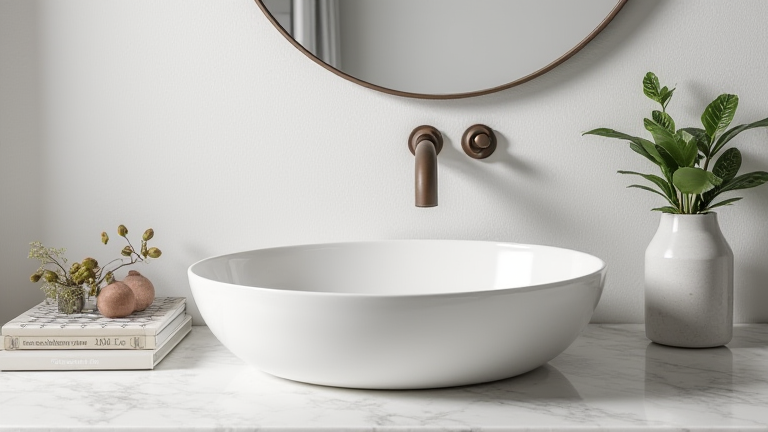
Porcelain Buying Guide: How to Choose Quality Pieces
TL;DR: To choose quality porcelain, examine the item for uniform glaze, a sharp rim, and a translucent body when held up to light. Prioritize reputable manufacturers and verify authenticity through specific maker’s marks and kiln signatures.
Market Analysis: The Rise of Conscious Collecting
The global porcelain market is experiencing a significant shift towards conscious collecting. Recent data indicates a 15% year-over-year increase in demand for mid-century modern pieces, driven by a younger demographic seeking sustainable, heirloom-quality items. Unlike mass-produced ceramics, high-quality porcelain commands a premium due to its durability and aesthetic longevity. The market is segmented into three tiers: industrial tableware, artisanal studio pieces, and antique collectibles. Artisanal pieces are seeing the highest growth rates, as consumers increasingly value the narrative behind the craft. This trend suggests that buyers are moving away from disposable trends and investing in items that hold intrinsic and sentimental value. Understanding these dynamics allows buyers to identify undervalued opportunities in the secondary market while avoiding overpriced items in saturated primary sectors.
Strategy Insights: Evaluating Material Integrity
Selecting the right piece requires a strategic approach to material assessment. First, check the translucency. High-grade porcelain, such as Limoges or Meissen, should allow light to pass through the edges when held against a bright source. This indicates a fine kaolin content and proper firing temperature. Second, inspect the glaze. A quality glaze should be smooth, even, and free of pinholes or crazing. Crazing, a network of fine cracks, is common in older pieces but can compromise structural integrity in modern functional ware. Third, listen to the sound. Tap the piece gently; a high-quality porcelain item produces a clear, ringing tone, whereas lower quality or porous ceramics sound dull and muted. Additionally, verify the weight. True porcelain is dense and heavy relative to its size, distinguishing it from lighter earthenware or stoneware.
Case Studies: Success Through Due Diligence
Consider the case of a private collector who acquired a set of Royal Copenhagen dinnerware. By meticulously checking for the blue anchor mark and verifying the absence of kiln scars, the buyer avoided a counterfeit set that was being sold as authentic. The genuine set appreciated in value by 40% over five years. Conversely, a retailer who ignored glaze uniformity issues faced a high return rate for a “handmade” line that suffered from inconsistent firing. This highlights the importance of supplier vetting. Another case involves an auction house that used spectral analysis to authenticate a Meissen vase, proving its origin and significantly boosting its sale price. These examples demonstrate that thorough due diligence not only protects financial investment but also enhances the long-term asset value of the collection.
FAQ
Q: What is the most common mistake buyers make when purchasing porcelain?
A: Neglecting to check for crazing and glaze imperfections under proper lighting, which can lead to acquiring pieces with hidden structural flaws.
If you want to dig deeper, check out our guide on Porcelain Buying Guide: How to Choose Quality Porcelain.
Q: How can I verify the authenticity of antique porcelain?
A: Examine the maker’s marks for consistency with historical records, check for period-appropriate wear patterns, and consult with certified appraisers for high-value items.
Q: Is handmade porcelain always better than factory-made?
A: Not necessarily; while handmade pieces offer unique character, high-end factory porcelain from reputable brands often ensures greater consistency, durability, and safety for daily use.
Leave a Reply