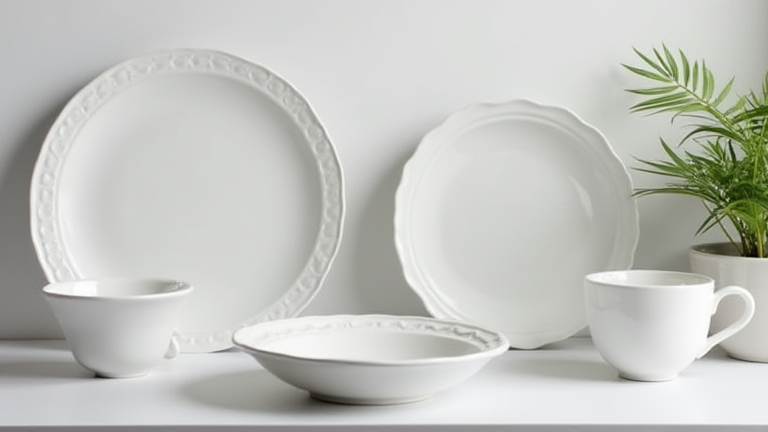
TL;DR: Select the right porcelain by prioritizing kiln origin, glaze quality, and specific use-case durability over aesthetic trends alone. Prioritize established brands with clear care instructions to ensure longevity and safe daily use.
Understanding Porcelain Quality
When navigating the vast landscape of tableware, understanding the intrinsic qualities of porcelain is crucial. True porcelain, distinct from stoneware or earthenware, is fired at extremely high temperatures, resulting in a dense, non-porous body. This structure ensures that pieces are stronger, thinner, and more translucent. A primary feature to highlight is the “ring” test. When tapped gently, high-quality porcelain produces a clear, resonant tone, whereas lower-quality materials sound dull and flat. Additionally, examine the translucency. Hold a piece up to a strong light source; genuine, fine porcelain will allow light to pass through, revealing a subtle glow that indicates superior material density and firing precision.
If you want to dig deeper, check out our guide on Ultimate Porcelain Buying Guide: Find Your Perfect Lifestyle.
Comparing Major Brands and Styles
Choosing between brands often comes down to balancing durability with design aesthetics. For those seeking the pinnacle of luxury, brands like Royal Copenhagen or Villeroy & Boch offer intricate hand-painted designs and exceptional resilience. These pieces are investment-worthy but require careful handling. On the other hand, mid-range options like Lenox or Wedgwood provide excellent durability and classic elegance at a more accessible price point. They are ideal for daily use in busy households. For budget-conscious buyers, store-brand porcelain can be a viable option, but it is essential to check for chips on the rim and uneven glazing. Comparing these options reveals that while price often correlates with quality, the specific intended use should dictate the choice. If you plan to use the pieces in a dishwasher frequently, opt for brands that explicitly guarantee dishwasher safety, as some delicate, hand-painted pieces may degrade over time with repeated exposure to high-heat washing cycles.
Essential Care and Maintenance
Proper maintenance extends the life of your collection. Avoid thermal shock by not placing hot plates directly from the oven onto cold, wet surfaces. Always wash porcelain by hand if the glaze is unmarked as dishwasher-safe, using a mild detergent and a soft sponge. Abrasive pads can scratch the glaze, compromising its food safety and visual appeal. Store pieces vertically in dedicated racks to prevent stacking damage, which can cause micro-fractures that eventually lead to chipping. By adhering to these simple care guidelines, you protect your investment and maintain the pristine appearance of your dining set for decades.
Make Your Selection Today
Investing in the right porcelain enhances not only your dining experience but also the presentation of every meal. Whether you are upgrading your everyday dinnerware or curating a special collection for holiday hosting, focus on material integrity and brand reputation. Visit local showrooms to physically inspect the weight and feel of the pieces, or browse reputable online retailers that offer detailed material specifications. Do not settle for mass-produced items that lack the structural strength needed for long-term use. Take the time to compare kiln origins and customer reviews to make an informed decision. Your table deserves elegance that lasts, so choose pieces that combine timeless design with robust engineering. Start your search now and transform your dining room into a space of refined comfort and style.
FAQ
Q: Is all white china made of porcelain?
A: No, white china can be made from stoneware, earthenware, or bone china, so you must verify the material specification on the packaging.
Q: Can I put hand-painted porcelain in the dishwasher?
A: It is generally recommended to hand wash hand-painted pieces to prevent the paint from chipping or fading due to harsh detergents and high heat.
Q: How can I tell if my porcelain is lead-free?
A: Look for a “lead-free” label on the packaging, and stick to reputable manufacturers that comply with modern safety standards for tableware.
Leave a Reply