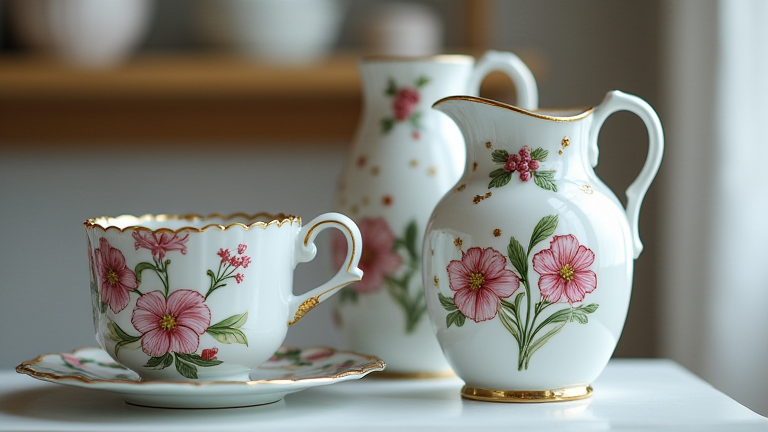
Master Porcelain Buying: Complete Guide for Collectors & Newbies
TL;DR: To buy porcelain successfully, focus on verifying authenticity through maker’s marks and examining structural integrity like hairline cracks. Whether you are a novice or seasoned collector, prioritize condition and provenance over aesthetic preference to ensure long-term value and collection stability.
Buying porcelain is an art form that requires patience, knowledge, and a keen eye. The market is vast, ranging from affordable vintage dinnerware to high-value antique masterpieces. Whether you are starting your collection or looking to expand it, understanding the fundamentals is crucial. This guide will walk you through the essential steps to become a confident and knowledgeable buyer in the porcelain world.
If you want to dig deeper, check out our guide on Buy Porcelain Safely: 5 Health Tips for Homeowners.
Step 1: Research and Define Your Goal
Before spending a dime, determine what you want to buy. Are you interested in specific manufacturers, such as Meissen, Sèvres, or Wedgwood? Or do you prefer regional styles like Japanese Imari or Chinese blue-and-white? Understanding your niche helps you avoid impulse purchases that do not fit your collection. Spend time studying catalogs, museum archives, and online databases. Familiarize yourself with the typical price ranges for items in your desired category. This baseline knowledge prevents you from overpaying for overpriced items or undervaluing rare pieces.
Step 2: Verify Authenticity
Authenticity is the cornerstone of any porcelain purchase. Start by examining the base of the piece for maker’s marks. Different eras and factories used distinct stamps, hand-painted marks, or decals. For example, a genuine Royal Worcester piece will have a specific stamp that changes over decades. Compare these marks with reputable reference books or trusted online resources. Be wary of items that lack any markings, as they may be unmarked reproductions or lower-quality ware. Additionally, look for signs of age that align with the claimed era, such as wear patterns or patina on the glaze.
Step 3: Inspect Condition Thoroughly
Condition dictates value more than style. Use a bright light to inspect every inch of the piece. Look for hairline cracks, which are often invisible to the naked eye but can expand over time. Run your finger gently across the surface to detect chips or rough spots. Check the rim and handle areas, as these are prone to damage. For painted pieces, ensure the pigments are intact and not flaking. Remember, even a single chip can reduce the value of a piece by fifty percent or more. If you are buying for display only, minor flaws might be acceptable, but for investment purposes, pristine condition is non-negotiable.
Step 4: Check Provenance and Documentation
Provenance refers to the history of ownership of the item. High-quality pieces often come with certificates of authenticity, old receipts, or auction records. Ask the seller about the origin of the piece. A clear history adds confidence to the purchase and can increase resale value. Be cautious of sellers who cannot provide any documentation or who offer vague explanations about where the item came from. Transparency is a good indicator of a legitimate seller.
Step 5: Buy from Reputable Sources
Finally, choose your buying channel wisely. Established antique shops, reputable online auction houses, and specialized dealers often provide better guarantees than random online marketplaces. If you are new, consider starting with lower-value items to practice your inspection skills. Join collector forums or local clubs to connect with experienced buyers who can offer advice and warn you about common scams. Building a network is just as important as building a collection.
FAQ
Q: How can I tell if porcelain is real or a modern reproduction?
A: Look for weight, which should be substantial, and examine the base for original maker’s marks. Real antique porcelain often has a slightly different feel and sound when tapped compared to modern ceramic imitations.
Q: Is it safe to buy porcelain online without seeing it?
A: It is risky but possible if you
Leave a Reply