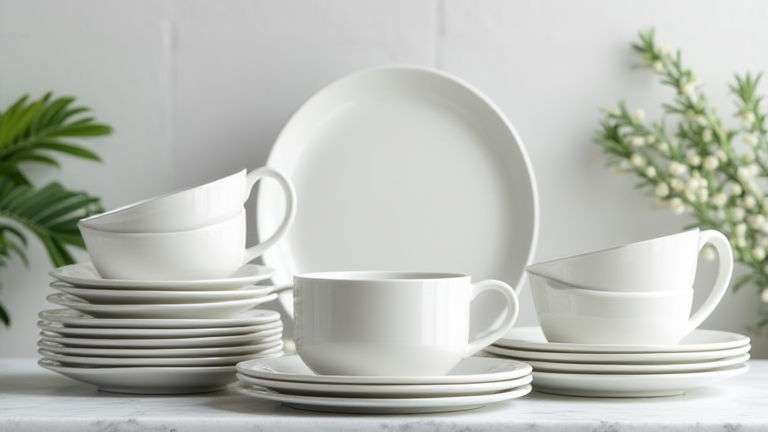
TL;DR: To choose the best porcelain pieces, prioritize high-temperature fired (≥1300°C) vitrified bodies with zero water absorption, and match the glaze hardness to your intended use—daily dinnerware needs chip-resistant stoneware-porcelain blends, while decorative collectibles favor translucent bone china. Always check the foot ring finish and weigh the piece; denser, heavier items signal superior durability.
Why Firing Temperature is the Single Biggest Factor
When you pick up two seemingly identical porcelain plates, the difference in quality often comes down to the kiln. True porcelain—whether hard-paste, soft-paste, or bone china—must be fired at temperatures above 1,260°C. This vitrification process fuses the silica and kaolin into a glass-like matrix, making the body non-porous. For everyday use, look for labels stating “fully vitrified” or “high-fired.” A simple home test: hold the piece to a bright light. If it glows with a warm amber translucency (especially on thin rims), you have high-quality hard-paste porcelain. If it looks opaque and chalky, it’s likely a low-fired ceramic masquerading as porcelain—this will craze, stain, and chip far faster.
If you want to dig deeper, check out our guide on The Ultimate Porcelain Buying Guide: Tips for Your Lifestyle.
Feature Highlights: What Separates Premium from Budget
First, examine the glaze. A premium porcelain piece has a smooth, pinhole-free glaze that is either completely glossy or matte, but never tacky. Run your fingernail across the surface; if it catches, you’ll face scratches from metal cutlery. Second, check the foot ring (the unglazed base). On expensive pieces, this is ground perfectly flat and smooth, preventing wobbling and protecting your table. Third, consider the weight distribution. High-end porcelain is balanced—thicker at the base for stability but thinning toward the rim for elegance. Budget pieces often feel uniformly heavy, indicating poor clay compaction, which leads to warping in the dishwasher.
Comparison: Hard-Paste vs. Bone China vs. Porcelainized Stoneware
For everyday dinnerware, hard-paste porcelain (like Limoges or Meissen styles) is the gold standard. It resists thermal shock (can go from freezer to oven) and is dishwasher-safe. Bone china, containing 30% bone ash, is lighter and more translucent but less chip-resistant—ideal for formal tea sets, not family breakfasts. The rising star is porcelainized stoneware, which is technically not porcelain but mimics its look. It’s fired at 1200°C and coated with a micro-crystalline glaze. It’s heavier and less elegant but 40% cheaper and nearly indestructible. If you have children, choose porcelainized stoneware for plates and keep real porcelain for serving bowls only.
How to Test for Quality Before You Buy
Do the “ring test”: tap the rim with a wooden spoon. High-fired porcelain produces a clear, bell-like tone that lasts 2–3 seconds. Dull thuds indicate low firing or hidden cracks. Next, check for warping by placing the piece on a flat counter and pressing a corner—if it rocks, reject it. Also, inspect the glaze under direct sunlight for “crazing” (fine spiderweb cracks). Even one hairline crack will absorb grease and bacteria over time. Finally, check the manufacturer’s warranty—top brands offer a 5-year chip replacement; anything less suggests they don’t trust their own product.
Call to Action: Upgrade Your Table Now
Stop settling for mass-produced, porous ceramics that stain your tea and chip on day three. Invest in one high-quality porcelain starter set (4 place settings) from a reputable maker like Villeroy & Boch, Noritake, or a local studio with documented firing logs. Your daily ritual will feel luxurious, and the pieces will outlast your grandmother’s china. Browse our curated comparison table below (see product listings) and take 15% off your first set with code PORCELAIN15. Your coffee deserves a cup that rings true.
Leave a Reply