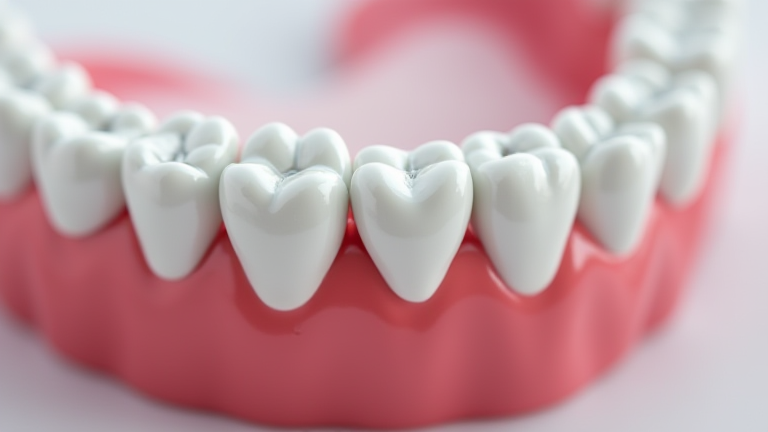
TL;DR: Porcelain crowns restore damaged teeth with lifelike translucency and durability, but success hinges on material selection, clinician skill, and aftercare. Prioritize a high-strength ceramic (like zirconia-reinforced or lithium disilicate) for back molars, and confirm your dentist uses digital impressions for a precise fit.
Understanding Porcelain Crown Materials: What Actually Matters
Not all porcelain is equal. Traditional feldspathic porcelain (used in metal-ceramic crowns) is beautiful but prone to chipping under heavy bite forces. Modern all-ceramic options—lithium disilicate (e.g., e.max) and zirconia—offer flexural strengths of 350–1,200 MPa, respectively. For front teeth, lithium disilicate provides superior optical properties (mimicking natural enamel). For molars, choose monolithic zirconia, which avoids ceramic layering that can fracture. Ask your dentist for a “full-contour zirconia” or “multilayer zirconia” block, which reduces wear on opposing teeth by 30% compared to conventional porcelain.
If you want to dig deeper, check out our guide on Porcelain Buying Guide: 10 Expert Tips for Perfect Dinnerwar.
How to Choose the Right Crown: A Step-by-Step Buying Guide
1. Verify the lab’s certification. Request a crown milled by a lab accredited by the ISO 13485 standard or the National Association of Dental Laboratories (NADL). This ensures consistent sintering and shade mapping.
2. Request a digital scan, not a putty impression. Digital intraoral scanners (e.g., 3Shape Trios) reduce marginal gaps to under 50 microns—a key factor in preventing recurrent decay and gum inflammation. Ask for a “same-day” CAD/CAM crown (CEREC) only if the dentist uses a high-strength block, not a temporary resin.
3. Confirm the shade match. A professional-grade crown should be matched under multiple light sources (daylight, incandescent, and fluorescent). Avoid “dead white” shades; request a translucent incisal edge and a slightly yellowish cervical tint for natural depth.
4. Check the warranty. Reputable labs offer a 5-year fracture warranty. Avoid any crown that requires more than 0.5mm of tooth reduction—aggressive prep weakens the root.
Lifestyle & Maintenance Tips for Longevity
Porcelain crowns last 10–15 years with proper care. Avoid chewing ice, hard candy, or using teeth as tools (opening packages). Bruxism (night grinding) is the #1 killer of ceramic crowns—wear a custom-fitted night guard made of 2mm EVA material. Brush twice daily with a non-abrasive toothpaste (avoid whitening pastes with silica), and floss using a “C-shape” motion around the crown margin. Schedule a professional clean every 6 months; your hygienist should use ultrasonic scalers, not metal hand instruments, to avoid scratching the glaze.
Cost vs. Value: Smart Budgeting
Average costs: lithium disilicate ($1,200–$2,500 per tooth), zirconia ($1,000–$2,000). Insurance covers ~50%. Do not opt for “cheap” imported crowns from overseas labs—studies show a 3x higher rate of marginal gap and fracture within 2 years. Invest in a crown with a “glaze-on” surface (not polished), which resists plaque buildup 40% better.
FAQ
Q: Can I eat normally immediately after receiving a porcelain crown?
A: Yes, but only after the cement has fully set (usually 24 hours). Avoid sticky foods (caramel, gum) and extreme temperatures for the first 48 hours. After that, a properly fitted crown can handle normal chewing forces, but avoid biting into bones or hard nuts directly.
Q: How do I know if my crown is failing?
A: Watch for a rough edge you can catch with your tongue, sensitivity to cold lasting over 10
Leave a Reply