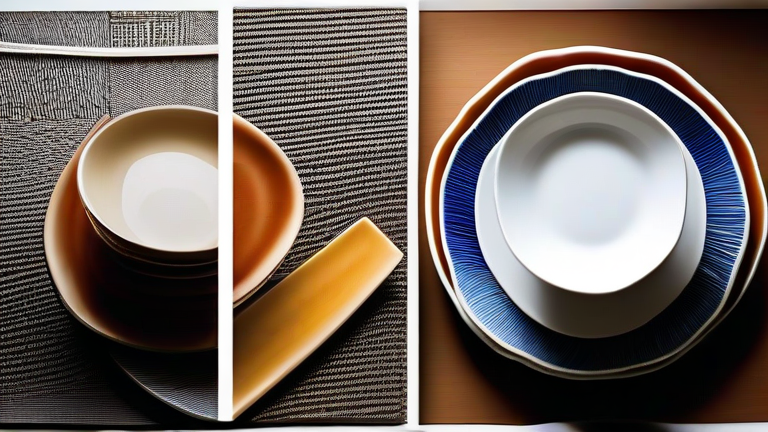
TL;DR: Select high-quality porcelain by checking for a pure white base, excellent translucency, and a smooth, uniform glaze finish. Prioritize brands that guarantee thermal shock resistance and microwave safety to ensure your new dinnerware lasts for decades.
Understanding Porcelain Quality
Buying porcelain is an investment in your daily dining experience. Unlike standard ceramic, true porcelain is made from kaolin clay and fired at extremely high temperatures, resulting in a dense, non-porous material. When shopping, always verify that the product is labeled as “hard-paste” or “soft-paste” porcelain rather than simply “ceramic.” This distinction matters because true porcelain is stronger, lighter, and more durable. Start by examining the piece under natural light. High-grade porcelain should have a slight translucency; if you hold a thin piece up to the light, you should be able to see your hand through the rim. If the material looks opaque or chalky, it is likely lower-quality stoneware or earthenware, which absorbs more moisture and stains over time. Additionally, check the weight. Porcelain is surprisingly light for its strength. If the plate feels heavy and dense, it may contain more feldspar or other fillers, reducing its longevity. Understanding these material differences is the first step to avoiding regrettable purchases that chip or stain quickly.
If you want to dig deeper, check out our guide on Porcelain Buying Guide: How to Choose the Best Quality.
Assessing Glaze and Finish
The glaze is the protective layer that makes porcelain food-safe and easy to clean. Inspect the surface for any imperfections such as pinholes, bubbles, or uneven thickness. Run your finger gently over the surface; it should feel glass-smooth with no rough patches. Look for a consistent color tone across the set. In white porcelain, avoid any yellowing or grayish tints, which indicate lower-quality clay or improper firing temperatures. For colored or patterned designs, check the edges of the patterns. In high-end pieces, the glaze should be applied evenly without bleeding into the unglazed foot. The foot of the plate is also critical. It should be flat and stable, ensuring the plate does not wobble on your table. A poorly finished foot can scratch your table surfaces and lead to uneven wear. Pay close attention to the rim as well. It should be sharp and clean, not rounded or uneven. A well-finished rim enhances the aesthetic appeal and ensures that the plate stacks neatly in your cabinet without scratching other pieces.
Testing Durability and Safety
Durability is paramount for daily use. Ask about the thermal shock resistance of the porcelain. Good porcelain can handle moving from the freezer to the microwave without cracking. If possible, ask the seller if the set is oven-safe, as this is a key indicator of thermal stability. Check for microwave safety certification. While most porcelain is microwave-safe, some glazes contain metallic accents like gold or silver lines. These metallics can spark in a microwave, causing damage to both the appliance and the dish. Always confirm that the specific set you are buying is microwave-safe before purchasing. Dishwasher safety is another critical factor. Ensure the glaze is dishwasher-safe to prevent fading or etching over time. Look for warranties or return policies that cover chipping or cracking under normal use. Reputable brands often stand behind their products with robust guarantees, reflecting their confidence in the manufacturing process. Finally, consider the stackability. Porcelain should stack tightly to save space. If the pieces are bulky or have large feet, they may not fit well in your existing cabinet, leading to storage issues later.
Evaluating Design and Versatility
Style is subjective, but versatility is objective. Choose a base set that complements your existing tableware and home decor. Neutral tones like white, bone, or soft beige are timeless and versatile, allowing you to mix and match with other patterns. If you opt for bold patterns, ensure the motif is not too busy, as it may overwhelm the visual presentation of your food. Consider the shape of the plates as well. Standard dinner plates, salad plates, and dessert plates form the core of any set. Ensure the sizes are consistent across the set to maintain a cohesive look. Some sets include unique shapes or sizes that may not
Leave a Reply