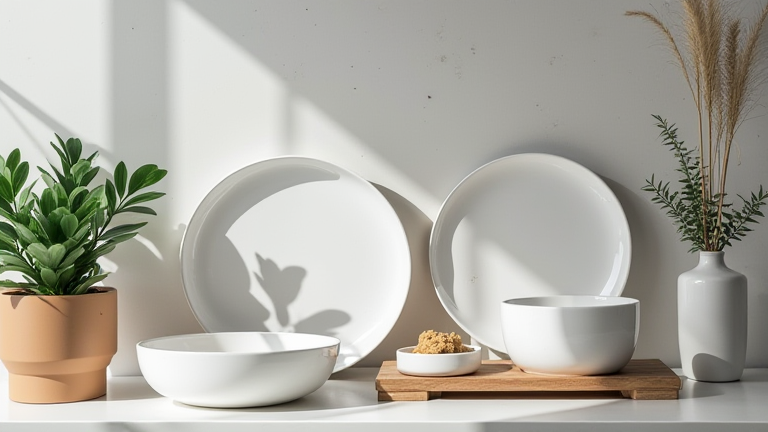
TL;DR: Select high-quality porcelain by checking for a bright, ringing sound when tapped and ensuring the glaze is smooth and crack-free. Always verify the manufacturer’s origin, as Chinese and Japanese pieces often offer superior durability and craftsmanship for daily use.
Understanding Porcelain Quality
Before diving into specific pieces, understand what makes porcelain distinct from other ceramics. True porcelain is made from kaolin clay fired at extremely high temperatures, resulting in a material that is translucent, dense, and incredibly strong. When shopping, you are not just buying a decorative object but investing in a functional item that can last generations if cared for properly. The key to a successful purchase lies in identifying these intrinsic qualities through visual and tactile inspection. Many buyers make the mistake of focusing solely on aesthetic design, ignoring the structural integrity of the piece. A beautiful vase that cracks after a few months is a poor investment, regardless of its artistic merit. Therefore, your first step should always be assessing the physical properties of the item.
If you want to dig deeper, check out our guide on 1. Porcelain Buying Guide: 10 Expert Tips for Perfect Pieces.
Step-by-Step Inspection Process
Start by examining the base of the item. The foot ring should be even and free from chips or rough edges. Run your finger along the rim to detect any irregularities in the glaze. Next, perform the sound test. Tap the side of the porcelain gently with a ceramic spoon or your knuckle. High-quality porcelain will produce a clear, high-pitched ring that sustains for a moment. A dull thud indicates poor firing or low-quality materials, which often leads to brittleness. Look for crazing, which are tiny cracks in the glaze. While some older pieces may have intentional crazing as a style, it is a sign of deterioration in modern functional ware. Ensure the color is consistent throughout. Uneven coloring can suggest uneven glazing or temperature fluctuations during the firing process, which weakens the structural integrity of the piece.
Identifying Authentic Origins
The origin of the porcelain significantly impacts its quality and value. Look for markings on the base that indicate the manufacturer and country of origin. Meissen, Limoges, and Denby are renowned European brands known for their durability and elegance. In Asia, look for stamps from established factories in Jingdezhen, China, or famous kilns in Japan. Be wary of unmarked pieces, as they may be mass-produced imitations with lower clay density. Authentic high-end porcelain often has a distinct whiteness that allows light to pass through thin edges, a characteristic known as translucency. This feature is a hallmark of true porcelain and should be checked by holding the piece up to a light source. If the material is opaque and heavy, it may be bone china or a lower-grade ceramic, which, while still valuable, lacks the specific aesthetic and durability properties of pure porcelain.
Practical Buying Tips
Consider the intended use of the porcelain. If you plan to use the items in a dishwasher, confirm that the glaze is dishwasher-safe. Some decorative pieces contain metallic accents or delicate paints that can degrade under high heat and water pressure. For tableware, choose pieces with a thicker body if you anticipate heavy use, as this provides better impact resistance. Always buy from reputable dealers who offer warranties or return policies. This protects you against hidden defects that may not be visible during the initial inspection. Keep in mind that porcelain is porous to a small degree, so avoid using it for strongly acidic foods or beverages for extended periods, as this can etch the surface over time. Proper storage is also crucial; wrap individual pieces in soft cloth to prevent chipping from contact with other items. By following these steps, you ensure that your purchase is both beautiful and functionally sound.
FAQ
Q: Is bone china the same as porcelain?
A: No, bone china contains bone ash, making it more translucent and stronger than standard porcelain, though both are high-quality ceramics.
Q: How can I tell if porcelain is chipped?
A: Inspect the edges and base under strong light, as small chips are often invisible to the naked eye in poor lighting conditions.
<p
Leave a Reply