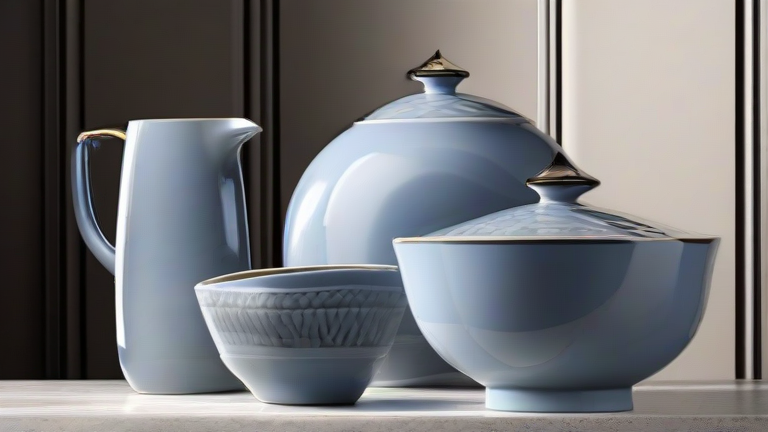
TL;DR: Choose a porcelain set by testing translucency (hold a piece to light—fine porcelain glows), checking chip resistance at the rim, and matching weight to your daily use. Prioritize high-fired, lead-free porcelain with a reinforced foot for durability, and buy from brands offering replacement-piece warranties.
Why Porcelain Beats Stoneware and Bone China
Porcelain sits in the sweet spot between delicate bone china and heavy stoneware. It fires at 2,650°F, making it denser and less porous than stoneware, so it resists staining from coffee and tomato sauce. Compared to bone china (which contains 30% bone ash), porcelain is more affordable yet nearly as translucent when thin. For everyday dining, porcelain’s thermal shock resistance—it can move from freezer to oven—outperforms both competitors. Look for “high-fired” or “vitrified” labels; these guarantee a non-absorbent body that won’t craze after dishwasher cycles.
If you want to dig deeper, check out our guide on Why Every DTC Brand Is Suddenly Obsessed with UGC.
Feature Highlights to Examine Before You Buy
1. Rim Thickness & Chip Resistance: Run your finger along the edge. A rolled or reinforced rim (often called a “shino” finish) hides minor knocks and prevents hairline cracks. Avoid sharp, thin rims if you have kids or stainless-steel cutlery.
2. Footed Base Design: Turn the plate over. A recessed, unglazed foot (common in Japanese porcelain) prevents scratching on wooden tables, while a fully glazed foot (European style) is easier to clean but can stick to damp countertops. Choose based on your serving surface.
3. Glaze Composition: Matte glazes show fewer fingerprints but can dull over time. Glossy, high-gloss glazes are more stain-proof and reveal the clay’s “ice-white” or “warm ivory” tone. Ask if the glaze contains lead or cadmium—always opt for lead-free, food-safe certifications (California Prop 65 compliance).
4. Stackability & Weight: A 10.5-inch dinner plate should weigh between 700–900 grams. Heavier sets feel premium but fatigue the wrists; lighter sets (under 600g) often chip faster. Test stack two plates—they should nest without wobbling, indicating uniform firing.
Comparisons: 3 Top Porcelain Sets in 2025
– Japanese Minimalist (e.g., Hasami Porcelain): Stackable, matte, microwave-safe. Best for small kitchens. Downside: limited decorative glaze options.
– European Classic (e.g., Villeroy & Boch Artesano): High-gloss, chip-resistant rolled rims, dishwasher-proof. Heavier and pricier but survives 10+ years of daily use.
– Budget-Friendly (e.g., Corelle Porcelain): Ultra-thin and lightweight, but less thermal shock resistant. Great for casual dining; not for fine entertaining.
Your Next Step: Buy a “Trial Place Setting”
Never purchase a full 12-piece set blindly. Order one dinner plate, one mug, and one bowl from your shortlist. Use them for two weeks—wash, microwave, drop (from 6 inches), and serve acidic foods. If no crazing or chipping appears, invest in the full set. Always confirm the brand sells open stock for replacements, not just boxed sets.
FAQ
Q: Can porcelain go in the oven and microwave safely?
A: Yes, but only if the label says “oven-safe” and the glaze is free of metallic decals. Avoid thermal shock by preheating the oven before placing cold porcelain inside—never put a frozen dish directly into a hot oven.
Q: How do I remove tea or coffee stains from porcelain without scratching?
A: Make a paste of baking soda and water,
Leave a Reply